Tag

Fuel Economy

All articles tagged with #fuel economy

DOD Finalizes 'Freedom Means Affordable Cars' Rule, Setting 2031 Fuel Target at 34.9 MPG
transportation11 days ago

DOD Finalizes 'Freedom Means Affordable Cars' Rule, Setting 2031 Fuel Target at 34.9 MPG

The U.S. Department of Transportation finalized new Corporate Average Fuel Economy (CAFE) standards on September 28, 2026, lowering the 2031 fleet average target to 34.9 miles per gallon. The administration claims this will reduce average new vehicle prices by $1,300 and save consumers $138 billion over five years, though independent analysts remain skeptical of these projections.

Trump Signs Off on 34.5 mpg Standard, Reversing Biden EV Mandates
policy-and-environment11 days ago

Trump Signs Off on 34.5 mpg Standard, Reversing Biden EV Mandates

President Trump approved new Corporate Average Fuel Economy (CAFE) standards on September 26, 2026, replacing Biden-era rules that required 50.4 mpg by 2031. The new targets lower efficiency requirements to 34.5 mpg, effectively ending federal mandates for electric vehicle adoption. While the move aims to lower car prices and boost domestic manufacturing, critics argue it weakens U.S. competitiveness against global EV trends.

Trump slashes US fuel efficiency targets to 34.5 mpg, reversing Biden EV push
automotive-industry-news12 days ago

Trump slashes US fuel efficiency targets to 34.5 mpg, reversing Biden EV push

US President Donald Trump has approved new Corporate Average Fuel Economy (CAFE) standards that significantly lower vehicle efficiency requirements, effectively reversing policies that incentivized electric vehicle adoption. The new rules aim to reduce car prices and encourage domestic manufacturing, though critics argue they lag behind global trends.

energy-and-climate13 days ago

Trump slashes auto fuel standards to 34.5 mpg, gutting EV mandates

President Trump approved new Corporate Average Fuel Economy (CAFE) standards on September 26, 2026, slashing efficiency targets for passenger vehicles by nearly one-third. The new rules lower the fleetwide average requirement to 34.5 miles per gallon by model year 2031, replacing Biden-era mandates that demanded 50.4 mpg. This move effectively ends federal incentives for electric vehicle adoption, though its impact is limited by recent legislation that removed penalties for non-compliance.

Trump Approves Weaker Fuel Standards, Cutting EV Targets by One-Third
policy13 days ago

Trump Approves Weaker Fuel Standards, Cutting EV Targets by One-Third

President Trump approved new Corporate Average Fuel Economy (CAFE) standards on September 26, 2026, replacing Biden-era rules that required 50.4 miles per gallon by 2031. The new rules lower the target to 34.5 mpg, effectively ending federal mandates for electric vehicle adoption. While Trump framed this as a cost-saver for consumers and manufacturers, critics argue it weakens U.S. competitiveness against global EV trends and lacks enforcement power due to recent legislative changes.

Proposed fuel standards could raise U.S. gas costs by around 45% amid energy crisis
policy1 month ago

Proposed fuel standards could raise U.S. gas costs by around 45% amid energy crisis

Electrek reports that the Department of Transportation is poised to announce new fuel-economy standards that would lower the fleet’s average mpg from about 50.4 to 34.5, potentially increasing the average fuel bill by roughly 45% as energy prices remain high. The piece frames this as a GOP-led effort to roll back efficiency rules, citing a DOE analysis predicting higher gas prices and noting substantial public opposition and ongoing legal challenges to related regulations.

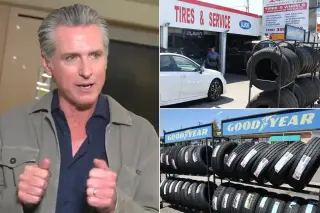
Newsom Defends California’s Low-Res Tire Rules Amid Price Backlash
politics1 month ago

Newsom Defends California’s Low-Res Tire Rules Amid Price Backlash

California Gov. Gavin Newsom defended the state’s controversial tire rules, arguing that mandating lower-resistance, energy-efficient tires will save drivers money and reduce fuel use, with the California Energy Commission estimating nearly $1 billion in annual savings in fuel and electricity; the policy could affect about 70% of replacement tires, drawing opposition from Goodyear and some Republicans who warn higher costs, while other manufacturers voiced caution on enforcement and affordability.

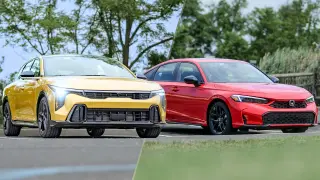
Sedan Comeback Gains Ground as Teens Favor Efficiency Over SUVs
business4 months ago

Sedan Comeback Gains Ground as Teens Favor Efficiency Over SUVs

Automakers are signaling a potential sedan revival as SUV fatigue grows. Sedans remain cheaper and more fuel-efficient than SUVs across compact and midsize segments, while a Teens Forward study shows 51% of teens expect to drive sedans in the future. Executives from Ford, GM, Honda and Infiniti hint at renewed sedan activity, arguing that the traditional car’s lower cost and driving engagement could reintroduce a viable, appealing option in a market currently dominated by crossovers.

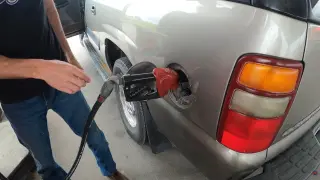
Gadgets Don’t Cut Fuel Bills—Performance Upgrades Do
automotive4 months ago

Gadgets Don’t Cut Fuel Bills—Performance Upgrades Do

Project Farm tested fuel-saving gadgets and found they don’t deliver real savings; gains came from performance mods that improve airflow (high-flow exhaust, cold-air intake) plus ECU tuning, and later from driving behavior (lower speeds, proper tire inflation). Baseline 17.06 mpg on a 319k-mile Suburban rose to 18.78 mpg with about $974 in mods, and peaked at 20.39 mpg with driving changes. At ~$4.50/gal, it would take tens of thousands of miles to recoup the investment, meaning the biggest payoffs come from careful driving and proper maintenance rather than gimmicks.

E15 Fuel: Not All Engines Are Ready for It
technology6 months ago

E15 Fuel: Not All Engines Are Ready for It

The article explains that EPA waivers allow E15 (15% ethanol) in some newer vehicles, but many manufacturers do not authorize it for older models and using it in unsupported engines can cause rubber, plastic, and aluminum damage, water-induced fuel separation, and reduced octane and efficiency. It also notes that E15 is illegal for older engines and non-eligible equipment, may yield worse mileage due to ethanol’s lower density, and that the production and environmental claims around ethanol are not straightforward. Always verify manufacturer approval before refueling with E15.

May E15 Waiver Expands Ethanol Fuel Amid Global Tensions
energy6 months ago

May E15 Waiver Expands Ethanol Fuel Amid Global Tensions

From May 1–20 the EPA is allowing a temporary nationwide E15 (15% ethanol) waiver to let more stations sell this blend in a bid to bolster the domestic fuel supply amid geopolitical tensions. E15 is cheaper but has lower energy density, typically shaving about 1.5–2% off fuel economy (more in heavy use), and can damage older engines and small equipment not designed for higher ethanol content. Most 2001+ vehicles can run E15, but carbureted engines and some specialty equipment should avoid it. The policy also aims to simplify fuel markets by lightening “boutique” blends into a single national pool, though smog concerns in summer remain a consideration. Readers should verify fuel choices for their specific vehicle and equipment.

politics10 months ago

Trump to Roll Back Biden-Era Vehicle Fuel Efficiency Rules

The Trump administration plans to roll back Biden-era vehicle fuel efficiency standards, arguing it will save the economy around $100 billion, though critics say it won't lower car prices and will hinder environmental progress. The move aims to return to traditional fuel economy standards, emphasizing consumer choice and affordability, amid rising vehicle prices and ongoing regulatory changes.