
Cheesecake Factory: From 1989 Menendez Alibi to 2026 Midterm Flashpoint
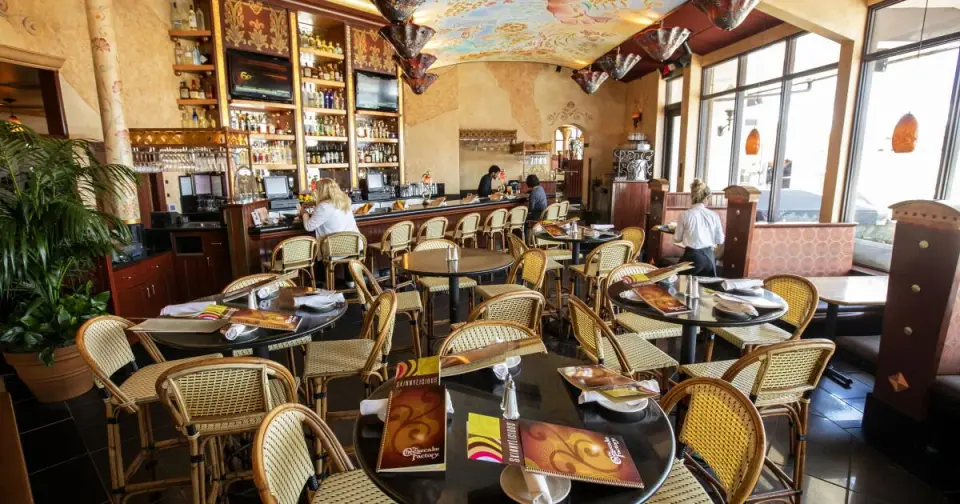
The Cheesecake Factory has become a central symbol in the 2026 midterm election after Barack Obama compared Donald Trump’s White House renovations to the chain’s gaudy interiors. While the chain is a California-born institution known for eclectic design and massive portions, the debate highlights a cultural divide between elite aesthetics and populist appeal. Recent data shows the chain is associated with higher-income neighborhoods, yet it remains a staple for middle-class families, complicating the narrative of elitism.
Key points
- Obama’s joke comparing the White House to a Cheesecake Factory ignited a national debate just days before the November 3 midterms.
- The chain, founded in 1978 in Beverly Hills, is credited with popularizing the 'Euro-blend' architectural style in US malls.
- A new analysis finds home values near Cheesecake Factory locations are 27% higher than in comparable areas, ranking it third among restaurant chains.
- The chain’s first location was used in the 1989 Menendez brothers’ alibi, cementing its place in California cultural history.
- Sales have reached an all-time high in Q1 2026, driven by viral social media trends and a massive menu.
Background
The Cheesecake Factory originated in 1978 in Beverly Hills, California, founded by David Overton to showcase his mother Evelyn’s cheesecakes. The chain became iconic in the 1990s for its eclectic interiors, blending Roman columns, Egyptian motifs, and Victorian woodwork, a style architect Rick McCormack described as evoking 1970s San Francisco grandeur. It gained national notoriety in 1989 when the Menendez brothers cited a dinner there as part of their alibi for killing their parents. The chain has since expanded to approximately 250 locations worldwide, becoming a symbol of American excess and suburban mall culture.
How outlets are covering it
The Los Angeles Times frames the chain as a quintessential California invention, emphasizing its role in popularizing eclectic design and its historical link to the Menendez case. The Washington Post highlights the cultural clash, with Obama defending the chain as a family-friendly staple while Trump’s allies, including Treasury Secretary Scott Bessent, accused Obama of elitism. Fox News focuses on economic data, noting that Cheesecake Factory locations are associated with neighborhoods with 27% higher home values, ranking it third among chains, behind Cava and Shake Shack. USA Today emphasizes the chain’s enduring popularity, citing all-time high sales in Q1 2026 and its massive menu, which includes over 250 options and 30+ cheesecake varieties. While outlets disagree on whether the chain represents elitism or mainstream appeal, all agree it has become a defining symbol of the 2026 midterm cultural divide.
Why it matters
The Cheesecake Factory debate transcends food, reflecting deeper tensions in American politics over class, taste, and economic anxiety. As the 2026 midterms approach, the chain’s association with higher-income neighborhoods contrasts with its image as a middle-class staple, complicating narratives of elitism. The chain’s all-time high sales and viral social media presence suggest it remains a resilient cultural institution, even as it becomes a flashpoint in the battle between elite aesthetics and populist appeal. This dispute underscores the administration’s focus on cultural gaffes rather than economic issues, a distraction that may influence voter sentiment in key swing states like Ohio.
What to watch
The 2026 midterm elections are scheduled for November 3, with polls suggesting a potential Democratic wave in swing states. The Cheesecake Factory debate is expected to remain a focal point in the final days of the campaign, as both sides leverage the cultural clash to appeal to voters. The chain’s stock performance and sales trends will likely be monitored as indicators of public sentiment. Additionally, the White House’s gold-heavy decor may face scrutiny from incoming administrations, as previous presidents have altered the Oval Office’s aesthetic to reflect their own values.
- The Cheesecake Factory is a punchline. But it’s also the California dream Los Angeles Times
- Is Cheesecake Factory decor really so bad? We discuss over giant margaritas. The Washington Post
- Cheesecake Factory among list of popular eateries in America's priciest neighborhoods Fox News
- The Name on Everybody’s Lips is The Cheesecake Factory Bon Appétit: Recipes, Cooking, Entertaining, Restaurants | Bon Appétit
- In defense of Cheesecake Factory, four reasons I absolutely love it USA Today
Want the full story? Read the original reporting
Read on Los Angeles Times