
Beef Import Pause Fails to Cut Prices, Deepening Rural GOP Rift
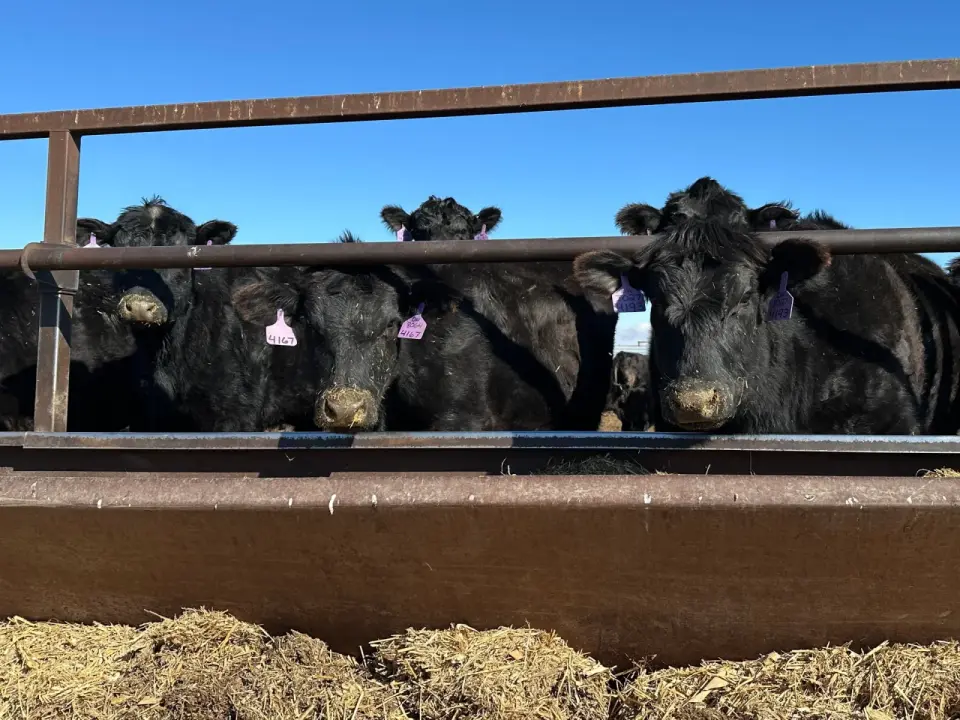
In late August 2026, President Donald Trump suspended tariffs on 300,000 metric tons of beef imports, primarily from Brazil, aiming to lower consumer prices. However, a Farm Action analysis shows ground beef prices dropped by less than 2% after 30 days, while cattle auction prices fell by up to 13.9%. This policy has angered US ranchers and rural Republicans, who view the move as a betrayal ahead of the 2026 midterms. Although the US cattle herd is at a 75-year low, the administration’s strategy has failed to deliver significant consumer relief, instead depressing producer profits and increasing political volatility in key agricultural states.
Key points
- Trump announced a 90-day pause on beef tariffs in late August 2026, allowing 300,000 metric tons of additional lean beef imports at lower rates.
- The policy aimed to reduce beef prices by 25% for consumers but resulted in only a 2% drop in ground beef prices after one month.
- Cattle prices for ranchers plummeted by up to 13.9%, significantly reducing profits for US producers.
- The US cattle herd stands at 86.2 million head, the lowest level in 75 years, exacerbated by drought and high operational costs.
- Rural Republican lawmakers and rancher organizations, including the US Cattlemen’s Association, have opposed the decision, fearing it will harm their political base in the 2026 midterms.
Background
This development follows a series of tariff adjustments in 2026, including a 50% tariff on Brazilian beef earlier in the year and subsequent tariff-free allowances for Argentina and Paraguay. Previous coverage noted that Republican lawmakers were already pressuring the White House to reverse the import plan in September 2026, citing rising cattle losses and high fuel costs. The current situation intensifies a rift between the administration and its rural base, with concerns that the shrinking cattle industry and high operational costs will continue to erode Republican support in agricultural states like Kansas, Iowa, and Texas.
How outlets are covering it
Al Jazeera emphasizes the political implications for the 2026 midterms, noting that while ranchers are angry, their voting power may be limited due to a shrinking population. They highlight the uncertainty in swing districts in Montana, Iowa, and Colorado. Yahoo Finance, citing Farm Action, focuses on the economic failure of the policy, pointing out that consumer prices barely dropped while rancher incomes fell sharply. They argue that the policy undermines domestic production incentives. The New York Times headline suggests the plan is falling short but provides limited detail in the provided text. All sources agree that the policy has not achieved its stated goal of lowering consumer prices while harming domestic producers.
Why it matters
The failure of the beef import policy to lower consumer prices while depressing rancher profits has created a significant political rift between the Trump administration and rural Republicans. This could impact the 2026 midterms, particularly in key agricultural states. The policy also highlights the broader challenges facing the US cattle industry, including a shrinking herd, high operational costs, and environmental pressures. The lack of consumer relief suggests that the administration’s strategy may not be effective in addressing high food prices, potentially leading to further political backlash and policy reversals.
What to watch
The 90-day tariff pause is expected to end in late November 2026. The administration may face pressure to reverse or modify the policy if consumer prices do not drop significantly. Ranchers and agricultural organizations may continue to lobby for support to rebuild domestic herds. The 2026 midterms will be a key test of the political impact of this policy, particularly in swing districts in agricultural states. The US cattle herd may continue to shrink if ranchers do not see a return on investment, potentially leading to further reliance on imports.
- Trump’s tariff pause angers some US ranchers, boosts Brazilian beef imports Al Jazeera
- Trump’s Plan to Import More Ground Beef Is Falling Short The New York Times
- Trump said imported beef would sell 25% below market. 30 days in, prices are only down 2% and ranchers are angry Yahoo Finance
- SC State Fair cattle farmers worry about beef imports WLTX
- There Is No Quick Fix for High Beef Prices Bloomberg.com
Want the full story? Read the original reporting
Read on Al Jazeera