
HUD probes Wells Fargo for race-based lending, sparking legal and political clash
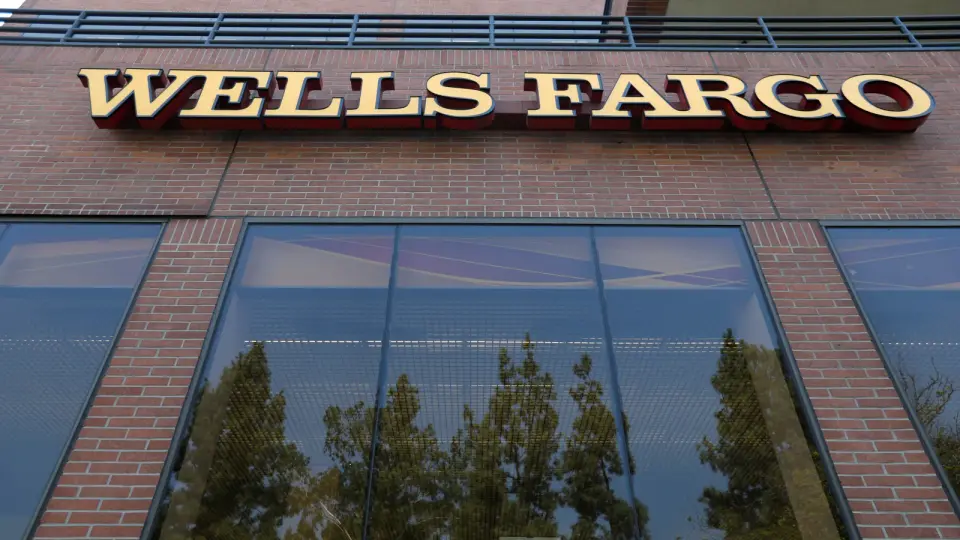
The Trump administration’s Department of Housing and Urban Development (HUD) has opened a civil rights investigation into Wells Fargo, accusing the bank of violating the Fair Housing Act by using race-based criteria in its mortgage lending programs. HUD Secretary Scott Turner labeled the bank’s efforts to boost Black homeownership as 'immoral' and 'un-American,' arguing that such practices discriminate against other applicants. Wells Fargo, which pledged $150 million to reduce rates for minority borrowers, declined to comment. The probe follows a 2012 discrimination settlement and a 2020 report alleging ongoing bias. Critics, including fair housing advocates, argue the bank was following federal Special Purpose Credit Program rules designed to remedy historic exclusion. The move signals a broader federal crackdown on diversity, equity, and inclusion (DEI) initiatives in the financial sector.
Key points
- HUD opened a Fair Housing Act investigation into Wells Fargo’s minority-focused lending programs, accusing the bank of dividing Americans by race.
- HUD Secretary Scott Turner called the bank’s race-based decision-making 'immoral, unethical and un-American,' despite the programs being designed to close racial homeownership gaps.
- Wells Fargo pledged $150 million to lower mortgage rates for qualifying Black homeowners, a move the administration views as discriminatory against other buyers.
- Fair housing advocates argue the bank was complying with federal Special Purpose Credit Program laws enacted 50 years ago to address historic lending barriers.
- The probe follows a 2012 discrimination settlement and a 2020 report suggesting Wells Fargo continued to reject Black refinancing applications at high rates.
Background
This investigation is part of a broader Trump administration effort to dismantle DEI initiatives, including antifraud probes into federal contractors. It follows a 2026 push to control federal data and alter reporting standards across agencies. The racial homeownership gap remains stark, with less than a quarter of Black households owning their homes compared to nearly three-quarters of White households in 2024, according to Pew Research Center.
How outlets are covering it
USA Today and The New York Times report the factual details of the HUD probe, noting the bank’s silence and the administration’s claim that race-based lending violates the Fair Housing Act. MS NOW frames the action as a 'war on Black homeownership,' criticizing HUD Secretary Scott Turner for labeling anti-discrimination efforts as 'dividing Americans.' Fair housing advocates, cited by USA Today, argue the probe is an abuse of authority meant to scare lenders away from serving underserved communities, contrasting with the administration’s view that such programs are inherently discriminatory.
Why it matters
This probe exposes financial institutions to significant regulatory and legal risks for engaging in race-conscious lending. It signals a shift in federal enforcement priorities, potentially chilling efforts to address historic racial disparities in housing and credit access. The outcome may set a precedent for how Special Purpose Credit Programs are interpreted under the current administration, impacting millions of minority borrowers.
What to watch
Wells Fargo faces potential penalties or forced policy changes if HUD finds violations. Other financial institutions may review or suspend similar minority-focused lending programs to avoid scrutiny. The Justice Department may expand its antifraud probes into other DEI-related initiatives in the financial sector.
- Inside Trump investigation of Wells Fargo's Black homeownership program USA Today
- Exclusive | Wells Fargo Faces Regulator Probe Over Efforts to Boost Black Homeownership WSJ
- Trump Administration Investigates Wells Fargo for Race-Based Lending The New York Times
- Opinion | Trump’s HUD chief wages war on Black homeownership MS NOW
- The Problem Isn’t With Wells Fargo, It’s With Modern White Houses Forbes
Want the full story? Read the original reporting
Read on USA Today