
Senate Republicans urge Trump to enforce Dec. 11 hemp ban, rejecting regulatory compromise
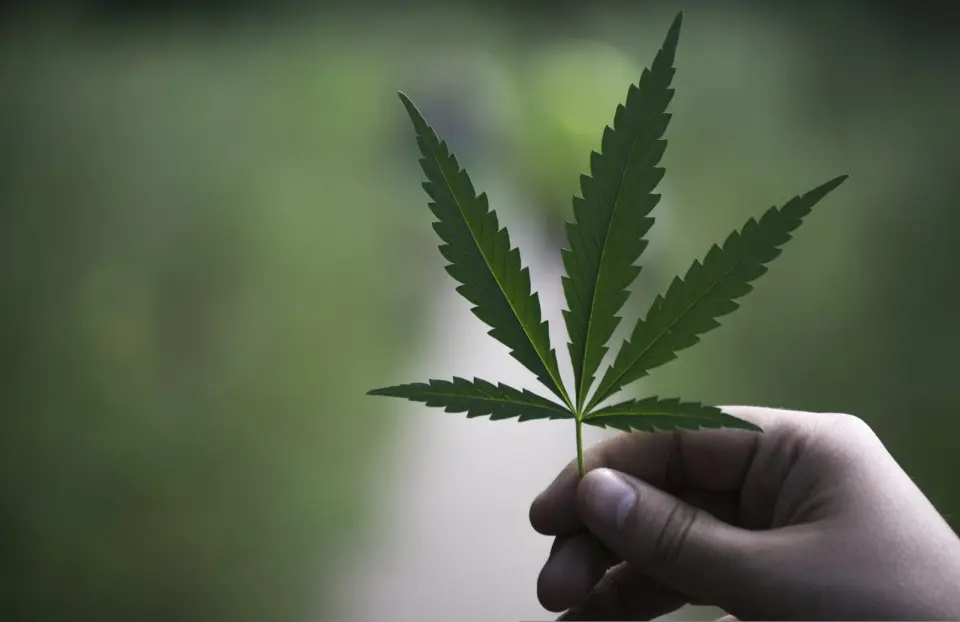
A group of Senate Republicans is urging President Trump to let the federal ban on intoxicating hemp products take effect on December 11, rejecting a bipartisan bill that would replace the prohibition with new regulations. While industry advocates and some lawmakers push for a regulatory framework to keep products on shelves, GOP senators argue that extending the ban amounts to nationwide legalization of marijuana. The deadline creates urgency for a potential last-minute legislative compromise or a strict enforcement of the current law.
Key points
- Sen. James Lankford (R-OK) and 12 other Republican senators wrote to President Trump, urging him not to support any legislation that delays the December 11 federal ban on intoxicating hemp products.
- The 2018 Farm Bill originally legalized hemp with less than 0.3% delta-9 THC, but a loophole allowed the creation of synthetic cannabinoids like delta-8 and delta-10, leading to a surge in intoxicating products sold in gas stations and retailers.
- The bipartisan Hemp Guardrails Act, introduced by Sens. Tim Sheehy (R-MT) and Amy Klobuchar (D-MN), seeks to replace the ban with federal regulations, including a 21+ age limit, stricter labeling, and a 1% total THC threshold, but faces opposition from GOP senators who view it as a loophole.
- Industry leaders, including New Orleans-based manufacturers like Crescent Canna, are halting production and encouraging consumers to stock up before the deadline, citing an 'existential threat' to the $1 billion beverage market.
- Some lawmakers, including Rep. James Comer (R-KY), are pushing to attach hemp extension language to a continuing resolution or budget reconciliation bill to ensure passage, while others warn that such moves would create a permanent federal THC market without adequate state oversight.
Background
The current debate follows a series of legislative actions in 2025 and 2026 that redefined hemp to close loopholes allowing high-THC products. A previous federal ban was delayed from November 12 to December 11 to allow time for regulatory development. Earlier in November, Texas Democrats filed bills to legalize recreational marijuana, and Illinois enacted a law restricting hemp-derived THC products to licensed dispensaries, highlighting the fragmented state-level approach to cannabis regulation. The federal ban is part of a broader effort to address the unregulated growth of hemp-derived products that mimic marijuana effects but bypass traditional cannabis regulations.
How outlets are covering it
Marijuana Moment and The Hill highlight the strong opposition from Senate Republicans, particularly Sen. James Lankford and Sens. Ted Budd and Pete Ricketts, who argue that extending the ban or creating a regulatory framework is equivalent to legalizing marijuana nationwide. They emphasize the need to protect children from 'candy-flavored drugs' sold in gas stations. In contrast, industry advocates and some bipartisan lawmakers, including Sens. Sheehy and Klobuchar, argue that a regulatory framework is necessary to prevent an 'existential threat' to the hemp industry and to ensure products are sold safely with age restrictions and labeling. NOLA.com and KCRA focus on the immediate impact on consumers and businesses, noting the stockpiling of products and the uncertainty surrounding the deadline. The Hill also notes that the FDA is more than nine months late in fulfilling a legal mandate to publish a list of known cannabinoids, adding to the regulatory uncertainty.
Why it matters
The December 11 deadline represents a critical juncture in federal cannabis policy, determining whether intoxicating hemp products will be banned or regulated. The outcome will affect a multibillion-dollar industry, consumer access to cannabis products, and the balance of power between federal and state regulators. It also highlights the ongoing tension between Republican and Democratic lawmakers on cannabis policy, with some advocating for strict prohibition and others pushing for a regulated market. The decision could have significant implications for public health, safety, and the economic viability of hemp-derived products across the United States.
What to watch
Lawmakers are racing to attach hemp extension or regulation language to a continuing resolution or budget reconciliation bill before the December 11 deadline. Industry advocates are lobbying Congress and the White House to support the Hemp Guardrails Act or a blanket extension. The FDA is expected to issue guidance on hemp product containers and known cannabinoids, though it is already behind schedule. If no action is taken, the federal ban will take effect on December 11, potentially leading to the removal of intoxicating hemp products from store shelves and a shift in the cannabis market to licensed dispensaries or illegal channels.
- Allowing Hemp THC Sales To Continue Would Effectively Legalize Marijuana Nationwide, Republican Senator Says Marijuana Moment
- Louisiana-made THC seltzers, gummies flying off shelves as ban looms: ‘Online sales are bananas‘ NOLA.com
- GOP senators urge Trump to support congressional ban on intoxicating hemp The Hill
- Restrictions on hemp-based THC drinks and gummies are coming Dec. 11. What you should know KCRA
- U.S. Sens. Amy Klobuchar, Tim Sheehy introduce bill to counteract federal hemp-THC ban MPR News
Want the full story? Read the original reporting
Read on Marijuana Moment