
US Senate Aims for December Vote on Chinese Car Ban
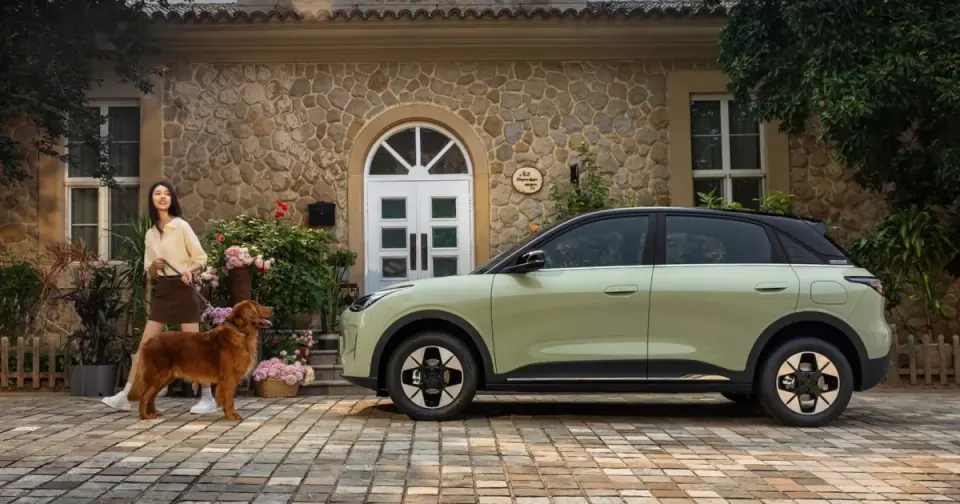
US Senators Bernie Moreno and Elissa Slotkin are nearing a bipartisan deal to pass the Connected Vehicle Security Act, which would ban the sale of vehicles using components from China and Russia. Industry leaders, including the Alliance for Automotive Innovation, have signaled support after lawmakers adjusted the bill to address concerns from European automakers like Mercedes and Volvo. The legislation is expected to be voted on in December, with hardware restrictions taking effect in 2030.
Key points
- The Connected Vehicle Security Act, sponsored by Sens. Bernie Moreno (R-Ohio) and Elissa Slotkin (D-Mich.), seeks to ban US sales of cars made with components from adversaries like China and Russia.
- Lawmakers are targeting a Senate voice vote in December and are working with House colleagues to fast-track the measure, with sources describing the progress as being at the 'one yard line.'
- The Alliance for Automotive Innovation, representing Ford, GM, Stellantis, Mercedes, and Volvo, stated it is 'very supportive' of the bill after negotiations resolved concerns regarding European automakers with Chinese ownership stakes.
- The bill excludes batteries from restrictions to protect partnerships like Ford’s licensing deal with Chinese battery maker CATL, but covers battery management systems.
- Vehicle and software prohibitions are scheduled to take effect in 2027, while hardware restrictions would follow in 2030, building on existing Commerce Department regulations from January 2025.
Background
Chinese vehicles already face 100% import tariffs and Commerce Department restrictions on vehicle components. In July, the Senate Commerce Committee approved a version of the bill that would have banned cars more than 15% owned by Chinese entities, but recent negotiations loosened this rule to allow companies like Mercedes and Volvo to continue selling in the US. The International Brotherhood of Teamsters also urged Congress to pass the ban earlier this week.
How outlets are covering it
Politico and Digital Trends emphasize the bipartisan nature of the bill and the support from major automakers, noting that Senate leadership from both parties has signaled backing. Yahoo highlights the national security arguments, quoting Slotkin’s description of Chinese vehicles as 'surveillance packages on wheels' and Moreno’s warning about the 'existential threat' to American manufacturing. All sources agree that the bill is close to passing but note that the White House has not publicly indicated President Trump’s support.
Why it matters
The legislation would solidify US restrictions on Chinese automotive technology, providing long-term certainty for domestic and international automakers regarding supply chains and manufacturing. It aims to protect American jobs and national security by preventing potential surveillance capabilities in connected vehicles.
What to watch
Lawmakers are expected to finalize the bill language and schedule a Senate voice vote in December. They are also working with House colleagues to expedite approval in that chamber. If passed, vehicle and software prohibitions would take effect in 2027, with hardware restrictions following in 2030.
- The US is pretty close to a law banning Chinese cars, and automakers are on board Digital Trends
- China car ban at the 'one yard line' in Congress Politico
- Congress Nears Deal to Ban Chinese Vehicles From US Yahoo
- Teamsters urge US lawmakers to quickly pass Chinese car ban Reuters
- Historic Discount for European Automakers marketscreener.com
Want the full story? Read the original reporting
Read on Digital Trends