
AI-Driven Rent Surge in San Francisco Triggers Landlord Buyouts and Development Boom
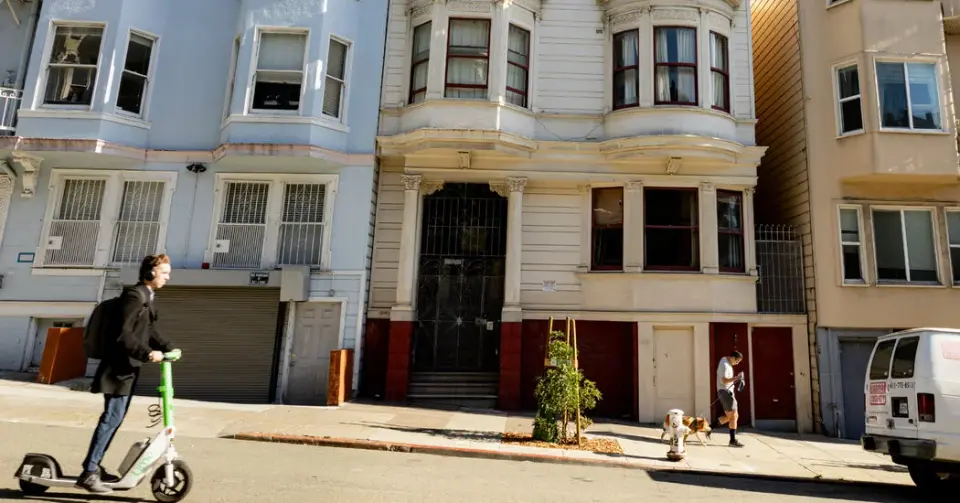
The artificial intelligence boom is driving San Francisco rents to record highs, prompting landlords to offer buyouts to rent-controlled tenants while developers prepare for a construction surge. Median one-bedroom rents reached $4,180 in July 2026, up 22.9% year-over-year, according to Zumper. Landlords are offering tens of thousands of dollars to evict long-term tenants, as seen in the case of Bernard Dethiers, who was offered $40,000 to leave his North Beach apartment. Developers predict that further rent increases will make stalled projects financially viable within 12 to 24 months. The city has cut impact fees by 67% and lowered inclusionary zoning requirements to 5% to spur this development, though critics warn that new supply will not lower market-rate rents for low-income workers.
Key points
- Median asking rent for a one-bedroom apartment in San Francisco reached $4,180 in July 2026, a 22.9% increase from the previous year, per Zumper data.
- Landlords are initiating buyout negotiations with rent-controlled tenants, offering sums like $40,000 to avoid no-fault evictions, which provide only statutory relocation payments.
- Developers, including Urban Catalyst and DM Development, predict that a further 15-20% rent increase will trigger a building boom within 12 to 24 months, as high rents make construction financially viable.
- San Francisco’s Board of Supervisors reduced development impact fees by 67% and lowered the inclusionary zoning requirement to 5% for buildings with 25+ units to encourage new construction.
- The city completed only 405 homes in the first half of 2026, despite the Family Zoning Plan legalizing capacity for 36,200 additional homes, indicating a gap between policy and construction.
- Tenant advocates, such as Shanti Singh, warn that new market-rate developments will not lower rents for low-income workers and may accelerate displacement, while housing experts note that market-rate booms can drive displacement.
Background
This development follows earlier reports in August 2026 that AI wealth was turbocharging the San Francisco housing market, with median home prices near $1.7 million and tight rental inventory. The current surge in rents and buyout offers is a direct consequence of the AI-driven demand for housing, as noted in previous coverage. Additionally, the city’s recent policy changes, including the Family Zoning Plan and fee reductions, aim to address the housing shortage, but the effectiveness of these measures in curbing rent growth remains debated.
How outlets are covering it
The New York Times highlights the human impact of AI-driven rent increases, focusing on individual tenants like Bernard Dethiers who face displacement despite long-term residency. The San Francisco Standard emphasizes the economic rationale for a development boom, citing developer predictions that high rents will make construction viable, while noting that this may not lower rents for low-income workers. GrowSF frames the situation as a result of past supply restrictions, arguing that the 23% rent increase is a consequence of blocking growth, and supports the city’s fee reductions to spur construction. The outlets differ in their emphasis: The New York Times focuses on tenant displacement, The San Francisco Standard on developer incentives, and GrowSF on policy solutions, reflecting a divide between tenant protection and market-driven development.
Why it matters
The AI-driven rent surge in San Francisco underscores the tension between technological wealth and housing affordability. As rents rise, long-term tenants face displacement, while developers prepare for a construction boom that may not benefit low-income residents. The city’s policy changes, including fee reductions and zoning adjustments, aim to balance supply and affordability, but the effectiveness of these measures in curbing rent growth and preventing displacement remains uncertain. This situation highlights the broader challenges of integrating AI-driven economic growth with sustainable urban housing policies.
What to watch
Developers expect a construction boom within 12 to 24 months if rents rise another 15-20%, potentially leading to new housing supply. The city may further reduce inclusionary zoning requirements to zero if construction does not rise, as suggested by GrowSF. Tenant advocates will likely continue to oppose new developments, arguing that they will not lower rents for low-income workers. The November 2026 general election may see further debate on housing policies, including the proposed doubling of the Housing Trust Fund from $52 million to $125 million annually.
- As A.I. Money Floods the Market, San Francisco Renters Weigh Buyouts The New York Times
- OpenAI and Anthropic are ruining San Francisco sfgate.com
- San Francisco’s AI boom is fueling a new wave of eviction fears San Francisco Chronicle
- San Francisco developers project a building boom The San Francisco Standard
- Rents Hit $4,180 as Developers Prepare to Build GrowSF
Want the full story? Read the original reporting
Read on The New York Times