
HOA Foreclosures Surge 40% as Rising Costs Force Aggressive Collections
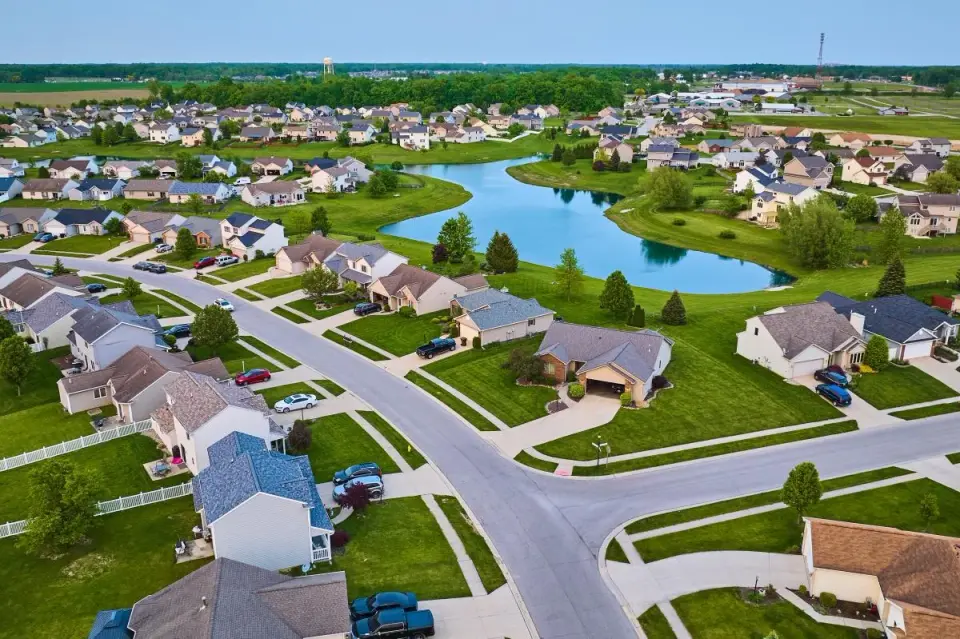
Homeowners associations across the US are increasingly foreclosing on residents due to financial strain from rising insurance, safety mandates, and drained reserves. Foreclosure rates have spiked nearly 40% in two years, with many communities skipping grace periods and outsourcing debts to aggressive collection firms. This trend is eroding home-buying power and threatening neighborhood stability, particularly in areas with 'super-priority' lien laws.
Key points
- HOA foreclosures jumped nearly 40% in two years, reaching 6,376 properties in the first quarter of 2026, outpacing overall mortgage foreclosures.
- HOAs are bypassing grace periods and handing delinquent accounts to attorneys or collection firms, often owned by the same legal teams advising the association.
- Rising insurance premiums, stricter safety measures post-Surfside collapse, and drained reserve funds are forcing HOAs into aggressive collections to avoid financial collapse.
- In states like Pennsylvania, homeowners have no right of redemption after a sheriff’s sale, while in others, a 90-day redemption period exists but requires clearing all dues, fees, and costs.
- Special assessments, such as a $10,000 fee in North Carolina and up to $80,000 in San Diego, are pushing homeowners into debt, with 70% of community associations estimated to be underfunded.
Background
The Surfside condominium collapse in 2021 led to stricter safety mandates and reserve requirements, particularly in Florida, exacerbating financial strain on HOAs. Prior to this, HOA fees had been rising steadily, with the median fee increasing from $108 in 2019 to $135 in 2026. The 2026 relief bill in Florida allows associations to borrow for reserves, but many homeowners are already facing foreclosure.
How outlets are covering it
The New York Post emphasizes the aggressive tactics of HOAs, including skipping grace periods and using collection firms with financial incentives to foreclose. It highlights the lack of redemption rights in some states and the impact on property values. 24/7 Wall St. frames HOA fees as a 'shadow mortgage' that erodes purchasing power, noting that every $100 in monthly dues reduces home-buying power by $16,200. It also points to the unpredictability of special assessments and the difficulty for fixed-income homeowners to adapt. Both sources agree on the financial strain but differ in focus: the Post highlights legal and collection tactics, while 24/7 Wall St. emphasizes affordability and long-term financial impact.
Why it matters
The surge in HOA foreclosures threatens homeowners’ financial stability and neighborhood property values. As HOAs become more aggressive in collections, residents face higher costs, legal battles, and potential loss of homes. This trend also affects home-buying power, making it harder for new buyers to qualify for mortgages. The issue is particularly acute in areas with 'super-priority' lien laws, where HOAs can foreclose before banks.
What to watch
HOAs may continue to pursue aggressive collections as they struggle with financial strain. Homeowners may face more special assessments and legal battles. States may introduce further relief measures, but many homeowners are already in foreclosure. The trend could lead to increased property value declines in affected neighborhoods.
- Aggressive HOAs are running out of money and foreclosing on more residents than ever before New York Post
- Homeowners Associations Are Foreclosing on More Residents WSJ
- Can an HOA take your home? Why more owners are facing foreclosure fights NewsNation
- HOA foreclosures jump as associations tighten screws on delinquent owners The Real Deal
- "A Shadow Mortgage": How Rising HOA Fees Are Pushing More Americans Toward Foreclosure 24/7 Wall St.
Want the full story? Read the original reporting
Read on New York Post