
Horizon City Estates: 50 Years of Unbuilt Promises in El Paso
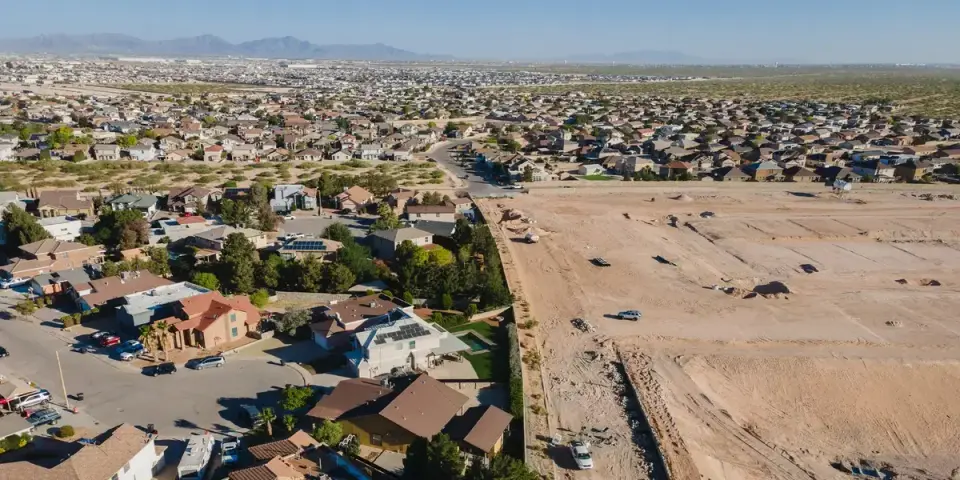
A 1971 land sale in El Paso, Texas, remains largely undeveloped 50 years later. Horizon Corporation sold 60,000 acres of desert land as a master-planned community, but only 650 homes were built before the company collapsed in 1981. Today, scattered ownership and lack of infrastructure prevent development, leaving thousands of owners with worthless assets despite nearby urban growth.
Key points
- In 1971, Horizon Corporation sold quarter-acre lots in El Paso for $1,400, promising a vibrant community with schools and shopping centers.
- By 1981, only 650 homes were built on 160 acres, less than 1% of the original 87,000-acre plan, before the company collapsed.
- The Federal Trade Commission ordered Horizon to pay $14.5 million to 40,000 consumers in 1981, alleging deceptive practices, though the company denied legal violations.
- Current appraised value of the original lots is approximately $255, far below the potential return of investing in the S&P 500, which would now be worth about $113,000.
- Development is stalled due to scattered ownership among 38,000 lots and the absence of water, sewer, and electricity infrastructure.
- El Paso’s population has more than doubled since 1971, and nearby areas like Tierra Del Este now feature modern homes, highlighting the contrast with the ghost lots.
Background
This story follows the long-term consequences of 1970s land speculation in the American Southwest. While recent archive articles discuss fragmented storage lots and urban development trends in other regions, they do not provide direct background on Horizon City Estates. The current situation reflects a persistent issue in real estate where initial marketing promises outpace actual infrastructure development, leaving investors with illiquid assets.
Why it matters
The Horizon City Estates case illustrates the risks of speculative land investments and the long-term impact of corporate misconduct on individual wealth. It highlights how fragmented ownership and lack of infrastructure can render large tracts of land undevelopable, even as surrounding areas thrive. For investors and policymakers, it serves as a cautionary tale about the importance of due diligence and the challenges of urban expansion in arid regions.
What to watch
The Horizon Communities Improvement Association and El Paso County are attempting to consolidate lots through purchase or donation programs to attract developers. However, the process is slow due to the difficulty of locating and convincing thousands of scattered owners to sell. Without significant infrastructure investment, the ghost lots are likely to remain undeveloped for the foreseeable future, despite nearby urban growth.
Want the full story? Read the original reporting
Read on Business Insider