
Micron's $50B Boise Expansion Reshapes Idaho's Economy and Housing Market
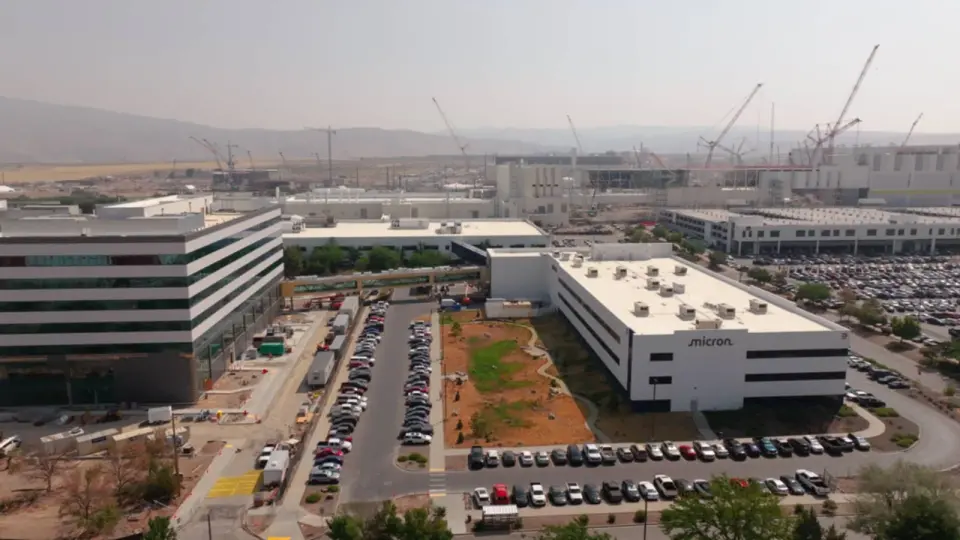
Micron Technology is executing a $50 billion expansion in Boise, Idaho, to build two new chip fabrication plants and a $10 billion research campus. This move aims to produce 40% of its DRAM in the U.S. by 2035, creating over 17,000 jobs. The surge has driven Micron's stock up 670% in a year, minting local millionaires but causing housing costs and traffic congestion to rise sharply in the city.
Key points
- Micron plans to spend $250 billion through 2035 to produce 40% of its DRAM in the U.S., utilizing up to $6.2 billion in CHIPS Act funds.
- The Boise expansion includes two new fabs and a $10 billion research lab, expected to create over 17,000 jobs, with the first fab online in 2027.
- Micron's stock has risen 670% in the past year, pushing its market cap past $1 trillion and turning CEO Sanjay Mehrotra into a billionaire, though a July 29% drop tested investor nerves.
- Boise's population has grown by 19% since 2020, adding 95,000 residents, while average rental prices have climbed 4.3% year-over-year, outpacing national trends.
- Local businesses report surging demand; jewelry sales are up 60%, and real estate agents note increased cash purchases from employees selling stock options.
Background
Micron was founded in Boise nearly 50 years ago and has long been a stable but undervalued employer in the region. The current boom is driven by the global demand for high-bandwidth memory (HBM) used in AI processors. While competitors SK Hynix and Samsung are expanding in South Korea, Micron is shifting production to the U.S. to secure supply chains. Boise, previously known for outdoor recreation and low costs, is now undergoing rapid urbanization similar to other tech hubs, with new infrastructure and a changing demographic profile.
How outlets are covering it
CNBC highlights the social and economic strain on Boise, noting that while wealth is concentrated among Micron employees, lower-income residents face rising housing costs and traffic. Wealth managers like Dave Petso warn of potential boom-bust cycles, drawing parallels to the dot-com era. Conversely, local business owners like Lisa Zimowsky and chefs like Kris Komori emphasize the positive impact on the local economy, citing increased consumer spending and a vibrant dining scene. BoiseDev and Seeking Alpha focus on the corporate strategy, detailing the $10 billion research campus investment and the long-term goal of domestic manufacturing dominance. While CNBC focuses on the human impact of the wealth surge, other outlets emphasize the strategic industrial shift and infrastructure development.
Why it matters
This expansion signals a major shift in U.S. semiconductor manufacturing, reducing reliance on Asia for critical AI memory components. It demonstrates how a single corporate decision can transform a mid-sized city's economy, infrastructure, and social fabric, creating both opportunities and significant challenges for local affordability and sustainability.
What to watch
Investors and residents will watch for the stability of Micron's stock following the July correction. The first new fab is scheduled to come online in 2027. Local authorities and Micron are expected to continue collaborating on housing and transportation solutions to manage the influx of new workers and residents. The success of the U.S. production goal will depend on the execution of the $250 billion long-term plan through 2035.
- How Micron's $50 billion Boise buildout is reshaping its hometown CNBC
- Micron unveils $10 billion AI memory research lab in Boise Yahoo Finance
- Micron shows off U.S.-based Micron Research Labs, backed by $10B investment (MU:NASDAQ) Seeking Alpha
- MICRON TO BUILD $10 BILLION RESEARCH CAMPUS IN BOISE Boise Dev
- Micron and SK hynix Commit Billions to Memory Capacity, but Almost Nothing Lands Before 2028 StorageReview.com
Want the full story? Read the original reporting
Read on CNBC