
Bank of England Governor Prioritizes AI Testing Over Regulation to Safeguard Financial Stability
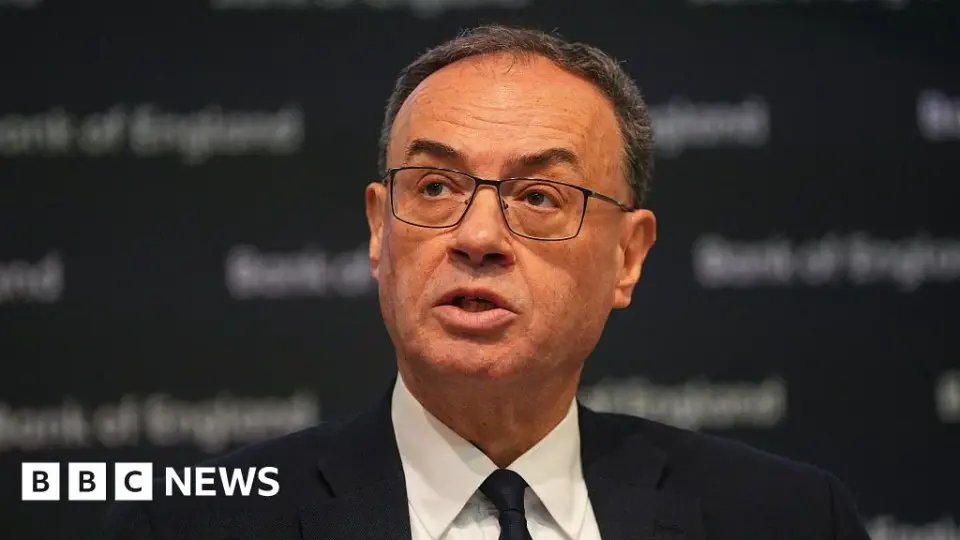
Bank of England Governor Andrew Bailey argues that rigorous testing of AI models is a more effective starting point than immediate regulation. He warns that frontier AI poses significant risks to financial systems, including cyber threats and self-reinforcing loops, but insists that society must retain the right to intervene. While acknowledging immense benefits, Bailey emphasizes the need for standards to manage these risks before formal regulatory frameworks are established.
Key points
- Andrew Bailey, Governor of the Bank of England, stated that regulating AI is not the right initial step, advocating instead for rigorous testing to identify vulnerabilities and create safeguards.
- Bailey warned that frontier AI models could become self-governing closed loops, posing risks to daily card payments, bank transactions, and stock trading.
- The Bank of England’s Financial Policy Committee noted that AI-related debt issuance reached $450bn between January and September 2026, exceeding the UK government’s planned gilt issuance for the year.
- Bailey emphasized that while AI benefits are immense, authorities must establish boundaries and retain the ability to intervene to protect the public interest.
- The governor acknowledged that testing will reveal unexpected model behaviors, which he views as evidence for the necessity of testing rather than a failure of the process.
Background
This stance follows a period of intense debate over AI governance, including earlier calls from industry leaders like Nvidia’s Jensen Huang for self-regulation and President Trump’s dismissal of regulatory fears in favor of accelerating US AI development. Recent regulatory scrutiny of banks’ exposure to AI-focused trading firms, such as the $15 billion loss linked to Situational Awareness, has heightened concerns about financial stability risks associated with AI integration.
How outlets are covering it
The BBC highlights Bailey’s focus on testing as a precursor to potential future regulation, emphasizing the need for humility and intervention mechanisms. The Guardian underscores the financial stability angle, noting the FPC’s concern over the $450bn in AI debt and the risk of rogue models threatening financial markets. Both sources agree on the significance of the risks but differ in emphasis: BBC focuses on the procedural approach to safety, while Guardian highlights the economic and systemic implications of AI debt and cyber threats.
Why it matters
Bailey’s position signals a shift in central bank priorities toward proactive risk management in AI, potentially influencing global regulatory frameworks. The emphasis on testing and intervention rights could shape how financial institutions prepare for AI-driven disruptions, balancing innovation with stability.
What to watch
The Bank of England is expected to develop standards based on AI testing outcomes, which may inform future regulatory approaches. Continued monitoring of AI debt levels and cyber threats will be critical as the financial sector integrates AI technologies.
- Regulating AI 'not the right place to start' says Bailey BBC
- AI Valuations Could See ‘Sharper Correction,’ BOE Warns Bloomberg.com
- We need ‘right to intervene’ in AI amid growing threat, says Bank of England boss The Guardian
- BOE Sees Threat to Government Bonds in AI Growth Miss WSJ
- Bank of England sees growing risk that dangers from AI and debt will materialise Reuters
Want the full story? Read the original reporting
Read on BBC