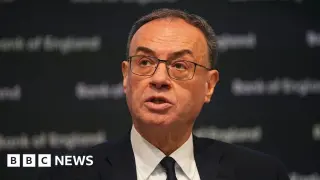
UK inflation rose to 3.6% in October, its highest level in a year, driven by a 33.2% surge in motor fuel costs. Diesel prices reached a record high of 199.5 pence per liter, while petrol hit 174.7 pence. The Bank of England recently raised interest rates to 4% and warns inflation could reach 5% by mid-2027 if the Middle East conflict continues. Markets price an 80% chance of a December rate hike, though some analysts suggest the Bank may wait until February.
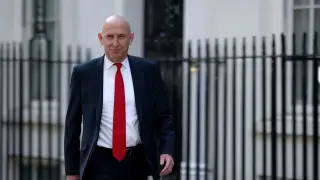
The UK economy grew by 0.7% in the third quarter of 2026, marking the fastest expansion in nearly a decade outside the pandemic. This performance, which positions the UK as the second-fastest-growing G7 nation, was driven primarily by a surge in artificial intelligence and data centre investment. While Chancellor John Healey highlighted the nation's 'stand-out resilience' against the US-Iran war, analysts warn that consumer spending is weakening and rising interest rates could soon dampen this momentum.
The UK economy expanded by 0.7% in the third quarter of 2026, matching forecasts and marking the fastest growth in over two years. This performance was driven primarily by a 0.9% surge in the services sector, specifically within information and communication activities linked to artificial intelligence and cloud computing. While the Office for National Statistics (ONS) noted that AI-related businesses reported the highest turnover increases, the construction sector contracted by 0.7%, with new private housing work falling by 4.7%. Chancellor John Healey highlighted the nation's resilience against global conflicts, while the Bank of England faces pressure to raise interest rates again in December due to persistent inflation.
The Bank of England raised its base rate to 4% on Thursday, the first increase in over three years, to combat inflation driven by the Iran war. While the move aims to curb rising prices, it has already increased borrowing costs for millions of UK households. Variable-rate mortgage holders face immediate repayment hikes, while those on fixed deals are facing significantly higher rates upon refinancing. Credit card and personal loan costs are also rising, adding financial pressure to households already struggling with elevated energy and food prices. Experts warn that further hikes may follow if the conflict in the Middle East continues to drive global energy costs higher.
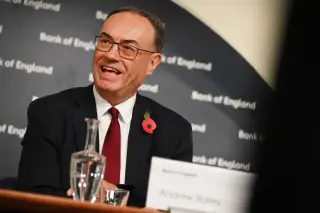
The Bank of England raised its base interest rate by 25 basis points to 4% on Thursday, marking its first increase in over three years. Governor Andrew Bailey stated that the decision was driven by inflation, which is forecast to peak at 5% next summer due to energy costs from the Iran war. However, Bailey emphasized that this hike is not necessarily the start of a long sequence of increases, noting that a sustained drop in energy prices following the U.S. midterm elections could limit the need for further rate hikes. The decision was unanimous among the nine-member Monetary Policy Committee, though one member advocated for a larger increase to 4.25%.
The Bank of England raised its base rate by 25 basis points to 4% on Thursday, marking its first increase in over three years. Policymakers cited the ongoing conflict with Iran as the primary driver for resurgent inflation, which is forecast to reach approximately 5% by mid-2027. The decision was widely anticipated, with markets pricing in a near-certain hike. While the move aims to curb rising energy costs, it introduces uncertainty for borrowers and savers, with mortgage rates already at three-year highs.
The Bank of England raised its base rate by 25 basis points to 4% on Thursday, marking the first increase in over three years. Policymakers cited the ongoing conflict in the Middle East as the primary driver for resurgent inflation, which is forecast to reach approximately 5% by mid-2027. The decision was widely anticipated, with markets pricing in a near-certain hike. While the move aims to curb rising energy costs, it introduces uncertainty for borrowers and savers, with mortgage rates already at three-year highs.
The Bank of England raised the base rate to 4% for the first time in over three years, marking a shift from the low-rate environment of the 2010s. This move aims to curb inflation by reducing consumer demand and business borrowing. While savers may benefit from higher returns, borrowers face increased costs, particularly those on variable-rate mortgages. The rate hike also pressures businesses to cut jobs or increase automation to manage higher borrowing costs.
The Bank of England is expected to raise its benchmark interest rate from 3.75% to 4% on Thursday, marking the first increase in over three years. This move follows a period of six consecutive holds and is driven by rising inflation, which reached 3.5% in September 2026, well above the central bank's 2% target. The hike is primarily attributed to surging petrol and diesel prices linked to the ongoing conflict with Iran. While the decision will increase borrowing costs for millions of mortgage holders, it is expected to improve returns for savers. Analysts note that the focus has shifted from whether rates will rise to what direction the Monetary Policy Committee will signal for future policy, given a weakening economic growth outlook.
UK inflation rose to 3.5% in September, driven by a 29.8% surge in motor fuel prices. This marks the highest rate in nearly a year and increases expectations for two Bank of England rate hikes by year-end. The data complicates Chancellor John Healey's upcoming Autumn Budget, as national debt exceeded £3 trillion and borrowing costs rose.
The average interest rate for new five-year fixed mortgages in the UK has reached 6%, marking the first time it has hit this level in three years. This spike, driven by rising government bond yields and global economic uncertainty, has caused a 99% collapse in the number of deals priced below 5%. While the Bank of England’s base rate remains unchanged, lenders are raising prices due to increased wholesale funding costs, significantly impacting home buyers and those renewing fixed deals.
The Bank of England has issued a stark warning that the rapid surge in artificial intelligence-related debt poses a significant risk of a sharp market correction. Citing estimates that AI debt issuance reached $450 billion in the past year, the central bank’s Financial Policy Committee noted that this volume now exceeds the UK government’s annual bond sales. While the financial system has remained resilient so far, officials fear that if AI productivity gains fail to meet expectations, the resulting shock could destabilize both corporate valuations and sovereign debt markets. Governor Andrew Bailey emphasized that regulators cannot assume the AI industry will self-regulate, though he cautioned against premature legislative action, urging a focus on understanding and testing risks first. The central bank also highlighted broader vulnerabilities, including high leverage in hedge funds betting on UK government bonds, and signaled plans to introduce market-based measures to limit leverage in these sectors early next year.
Bank of England Governor Andrew Bailey argues that rigorous testing of AI models is a more effective starting point than immediate regulation. He warns that frontier AI poses significant risks to financial systems, including cyber threats and self-reinforcing loops, but insists that society must retain the right to intervene. While acknowledging immense benefits, Bailey emphasizes the need for standards to manage these risks before formal regulatory frameworks are established.
The US Federal Reserve and Bank of England are investigating how global banks manage exposure to large trading firms following a $15 billion loss at Jane Street, triggered by the collapse of AI hedge fund Situational Awareness.
The Federal Reserve raised interest rates by 25 basis points to 3.75% on September 17, 2026, marking its first hike since 2023. Chair Kevin Warsh adopted a hawkish stance, stating that inflation remains too high and signaling potential further rate increases before the end of the year. This decision follows a period of political pressure from President Donald Trump to lower rates, with analysts arguing that the move bolsters the Fed's credibility and independence. U.S. stock futures initially rose, with the Dow Jones futures up 0.7%, as some investors viewed the hike as a sign of the Fed's commitment to fighting inflation, despite the general negative impact of higher rates on equities. The 2-year U.S. Treasury yield reached its highest level since July 2024. Meanwhile, the Bank of England is expected to hold its Bank Rate at 3.75%, with no rate cuts anticipated until late 2027 due to persistent energy price pressures from the Middle East conflict. Brent crude oil prices dipped slightly but remained above $100 per barrel, reflecting ongoing supply disruptions from the Strait of Hormuz and the Bab el-Mandeb Strait. Holtec Nuclear also suspended its planned U.S. initial public offering, citing market conditions, after seeking to raise up to $900 million.