
Hollywood Unions and Wikimedia File Briefs in NYT v. OpenAI Copyright Battle
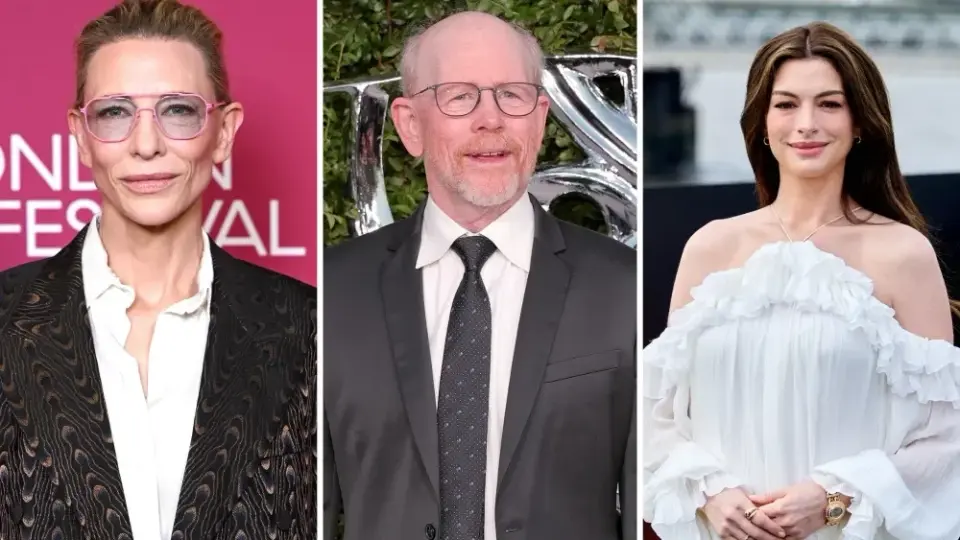
Multiple groups, including the Human Consent Foundation, major entertainment unions, and the Wikimedia Foundation, have filed amicus briefs in the New York Times’ lawsuit against OpenAI and Microsoft. While the Human Consent Foundation and unions argue that existing licensing infrastructure proves AI companies can and should clear rights, the Wikimedia Foundation proposes a nuanced approach: allowing fair use for model training but requiring licensing for retrieval-augmented generation. OpenAI maintains its scraping is protected by fair use, while Microsoft declined to comment.
Key points
- The Human Consent Foundation, backed by Cate Blanchett and other stars, filed a 31-page brief arguing that a functioning market for licensing creative works exists, contradicting OpenAI’s claim that clearing rights is cost-prohibitive.
- SAG-AFTRA, the Writers Guild of America, and the American Federation of Musicians filed a 34-page brief warning that a blanket fair use exemption would invalidate negotiated AI licensing terms and harm working-class creators.
- The Wikimedia Foundation filed a brief advocating for a split ruling: fair use should apply to model training, but not to retrieval-augmented generation (RAG), which should respect licensing and attribution requirements.
- OpenAI’s spokesperson pointed to a blog post supporting fair use, while Microsoft did not respond to requests for comment.
- The New York Times filed for summary judgment in the case last month, alleging OpenAI and Microsoft violated copyright by scraping thousands of articles without permission.
Background
This case stems from a December 2023 lawsuit filed by The New York Times against OpenAI and Microsoft, alleging unauthorized scraping of news articles for AI training. The case has drawn significant attention from various stakeholders, including Hollywood figures and open knowledge advocates. Cate Blanchett, who co-founded the Human Consent Foundation in May 2026, has been vocal about the importance of consent in the AI era, having previously paused a London performance to urge audiences to stop filming, highlighting her stance on digital rights.
How outlets are covering it
Variety emphasizes the Human Consent Foundation’s argument that a proven infrastructure exists for clearing rights at scale, highlighting the involvement of major Hollywood stars and unions. Deadline focuses on the unions’ warning that a blanket fair use exemption would undermine negotiated AI licensing terms and harm creators. The Wikimedia Foundation offers a more nuanced perspective, arguing that fair use should apply to model training but not to RAG, which should respect licensing and attribution. OpenAI’s position, as reported by Variety, is that its scraping is protected by fair use, while Microsoft declined to comment.
Why it matters
The outcome of this case could set a precedent for how AI companies use copyrighted content for training and deployment. A ruling against fair use could require AI companies to license content, potentially increasing costs but protecting creators’ rights. Conversely, a ruling in favor of fair use could allow AI companies to use copyrighted content without permission, potentially undermining the sustainability of open knowledge and creative industries. The case also highlights the growing tension between AI development and copyright law, with implications for the future of content creation and distribution.
What to watch
The court will rule on whether the use of copyrighted content by AI companies for training large language models constitutes fair use. The ruling could influence how other courts interpret copyright law in the context of AI, potentially setting a precedent for future cases. The outcome could also impact the development of AI licensing markets and the sustainability of open knowledge projects like Wikipedia.
- Cate Blanchett-Backed Group of Stars Files Brief in NYT-OpenAI Lawsuit Variety
- Fair use benefits everyone OpenAI
- The Wikimedia Foundation files to protect open knowledge in New York Times v OpenAI case Wikimedia Foundation
- House Democrats Criticize Justice Dept. Support of OpenAI in Copyright Suit The New York Times
- SAG-AFTRA, WGA & AFM Warn Of "Harms" Of Unlicensed AI Training Deadline
Want the full story? Read the original reporting
Read on Variety