
xAI Challenges Minnesota’s Nudification Ban, Citing First Amendment and Financial Ruin
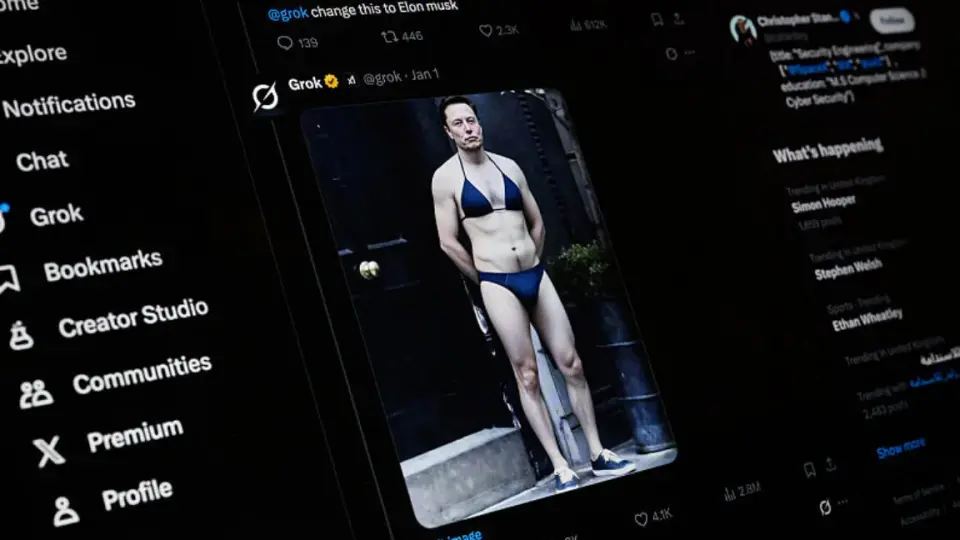
Elon Musk’s xAI has sued Minnesota to block a new law banning AI 'nudification' tools, arguing the statute violates the First Amendment and imposes unmanageable financial penalties. The company claims it is already enforcing strict user bans and cooperating with law enforcement, while critics argue the law is necessary to hold platforms accountable for harmful outputs.
Key points
- xAI filed a federal lawsuit on Monday, July 27, challenging Minnesota’s law banning AI nudification technology, which takes effect on August 1, 2026.
- The company argues the law’s $500,000 per-violation penalty is excessive, potentially exposing xAI to billions in fines for user-generated content.
- xAI claims the statute’s definition of 'intimate parts' is overly broad, covering images of men in shirts or women in bikinis, and infringes on protected speech.
- Minnesota Attorney General Keith Ellison stated the state will defend the law, calling AI-generated non-consensual nudity 'appalling' and a violation of dignity.
- The lawsuit comes amid multiple civil suits against xAI from victims of AI-generated child sexual abuse materials (CSAM) and non-consensual intimate images.
Background
This legal challenge follows a series of controversies involving Grok, including a UK lawsuit by MP Jess Asato over non-consensual deepfakes and a global backlash over Grok’s 'spicy mode' that allowed explicit image generation. In January 2026, xAI announced it would geoblock certain content to comply with local laws, but the Minnesota dispute tests the limits of state-level AI regulation. Earlier, xAI successfully challenged a California deepfake law, setting a precedent for its current First Amendment arguments.
How outlets are covering it
Ars Technica and Le Monde emphasize xAI’s argument that the law is unconstitutionally broad, citing examples like satirical images of politicians in swimwear. CNBC highlights the financial stakes, noting the potential $50 billion liability for xAI. MPR News focuses on the legislative intent, quoting Rep. Jess Hanson who argues that providing the tool itself warrants liability, regardless of user intent. All sources agree that xAI is simultaneously suing users for CSAM generation while defending its platform against state regulation, a strategy critics view as contradictory.
Why it matters
This case could set a national precedent for how states regulate AI image generation. If xAI succeeds, it may limit the ability of other states to hold platforms liable for user-generated content. Conversely, if the law stands, it could force AI companies to implement stricter, preemptive content filters, potentially impacting legitimate artistic and satirical expression. The outcome will also influence ongoing civil lawsuits from victims of AI-generated abuse.
What to watch
The case will proceed in federal court in Minnesota, with the law scheduled to take effect on August 1, 2026. xAI has requested an injunction to prevent enforcement. Minnesota Attorney General Keith Ellison has stated he will review the lawsuit and defend the statute. The outcome may also impact a potential class action lawsuit from victims in Tennessee and other states.
- Elon Musk’s xAI is trying to sue its way out of a Grok reckoning Ars Technica
- Elon Musk's xAI sues Minnesota over law to ban 'nudify' apps CNBC
- Elon Musk's xAI sues Minnesota over its first-in-the-nation law banning 'nudification' technology Le Monde.fr
- Elon Musk’s company sues Minnesota over new law to bar manipulated images to fake nudity MPR News
- Lawmakers, advocates hope Minnesota AI "nudification" ban will move forward despite Elon Musk lawsuit CBS News
Want the full story? Read the original reporting
Read on Ars Technica