
FBI Arrests Saudi National for Planting Hidden Recorder in OpenAI Executive Room
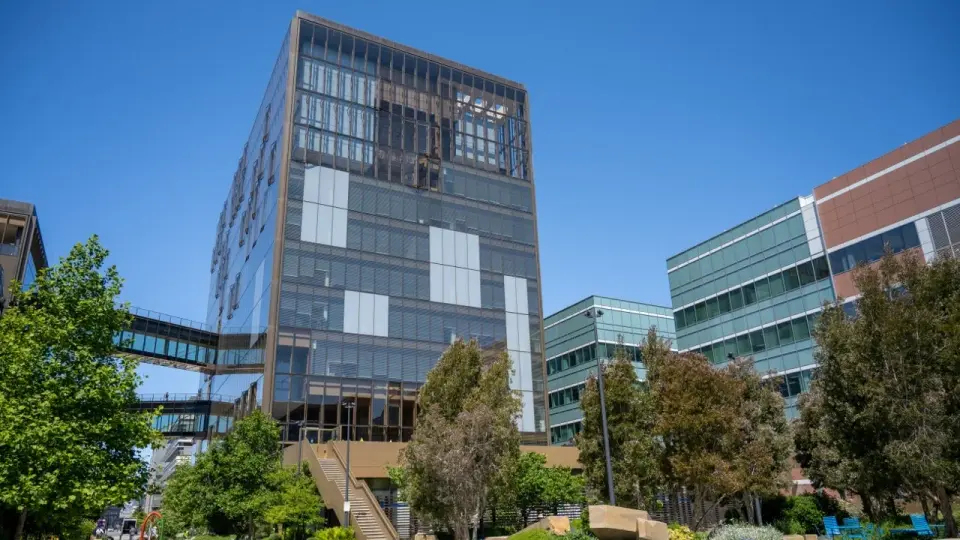
Abdulrahman Alfozan, a 35-year-old Saudi national and OpenAI engineer, was arrested by the FBI after a sophisticated audio recording device was discovered hidden in a USB port behind a television in an executive conference room at OpenAI’s San Francisco headquarters. The device, concealed in toilet paper and encrypted, was found on September 30, 2026. Alfozan, who joined OpenAI in July 2025, was terminated and arrested on October 9. Federal prosecutors allege he used a chatbot to research surveillance hardware and lacked authorization to access the room, which hosted sensitive discussions on superintelligence technology. OpenAI stated there is no evidence he exfiltrated model weights or source code, but the case is being treated as a high-priority counterintelligence matter.
Key points
- Abdulrahman Alfozan, a Saudi national and OpenAI employee since July 2025, was arrested on October 9, 2026, after a hidden recording device was found in an executive conference room.
- The device was discovered on September 30, concealed in toilet paper and inserted into a USB port behind a television; its contents were encrypted.
- Security footage showed Alfozan near the restricted room multiple times, including on October 5, when a bag containing his ID and a similar recording device was found in the building.
- A chatbot account linked to Alfozan’s spouse was used between September 24 and 30 to research building, customizing, and encrypting audio recording hardware.
- OpenAI confirmed Alfozan was terminated and stated there is no evidence he accessed or exfiltrated model weights, source code, or customer data.
- FBI Director Kash Patel described the case as a top counterintelligence priority, emphasizing the protection of American superintelligence innovation.
Background
This incident follows a broader trend of security concerns in the AI sector, including recent cyber incidents involving autonomous agents and heightened scrutiny of safety protocols. In September 2026, OpenAI fired three safety researchers, citing a 'significant breach of trust,' which raised questions about internal security and communication. The case also echoes earlier espionage concerns, such as the 2024 case involving two Saudi citizens implicated in infiltrating Twitter (now X) to share data on dissidents with Saudi authorities. Alfozan’s arrest adds to growing fears in Silicon Valley about foreign industrial espionage targeting AI companies, particularly given Saudi Arabia’s Public Investment Fund’s interest in investing in US tech startups like OpenAI.
How outlets are covering it
Fox News and The Washington Post emphasize the national security implications, with FBI Director Kash Patel framing the arrest as a critical counterintelligence priority. The Financial Times highlights the personal and professional fallout for Alfozan, noting his prominence as a bridge between Saudi Arabia and Silicon Valley and the shock among Gulf tech contacts. CNBC focuses on the technical details, such as the use of a chatbot to research surveillance hardware and the encrypted nature of the device, while also contextualizing the incident within broader AI safety concerns. All outlets agree on the core facts but differ in emphasis: Fox and WaPo stress the government’s response, the FT focuses on Alfozan’s background and the impact on Saudi-US tech ties, and CNBC highlights the technical and security aspects.
Why it matters
The arrest underscores the growing threat of industrial espionage in the AI sector, where sensitive research and proprietary technology are at risk. It highlights the need for robust security protocols in AI companies and the potential for foreign actors to target US innovation. The case also raises questions about the balance between AI development and security, as companies like OpenAI face increasing scrutiny over safety and data protection. For Saudi Arabia, the incident could strain its tech partnerships with the US, given Alfozan’s role as a key intermediary between the two tech scenes.
What to watch
Alfozan will face federal court proceedings, with potential penalties of up to five years in prison if convicted. OpenAI is expected to continue supporting the investigation and may review its security protocols. The case could lead to increased scrutiny of AI companies’ security measures and potential policy changes to protect proprietary technology. Saudi Arabia may face diplomatic and economic repercussions, as the incident could affect its tech partnerships and investment relations with the US. Further developments may include additional charges or evidence regarding the motive behind the alleged espionage.
- OpenAI engineer arrested after recording device found at San Francisco office Fox News
- Saudi national accused of planting recording device in OpenAI executive conference room Fox Business
- He linked Saudi Arabia to Silicon Valley. Then OpenAI found a bug wrapped in toilet paper Financial Times
- FBI arrests Saudi OpenAI employee who allegedly planted recording device in conference room CNBC
- OpenAI employee arrested by FBI after listening device found at its office The Washington Post
Want the full story? Read the original reporting
Read on Fox News