
IMF Chief Rejects U.S. Growth-Only Strategy, Urges Deficit Cuts Amid Global Debt Crisis
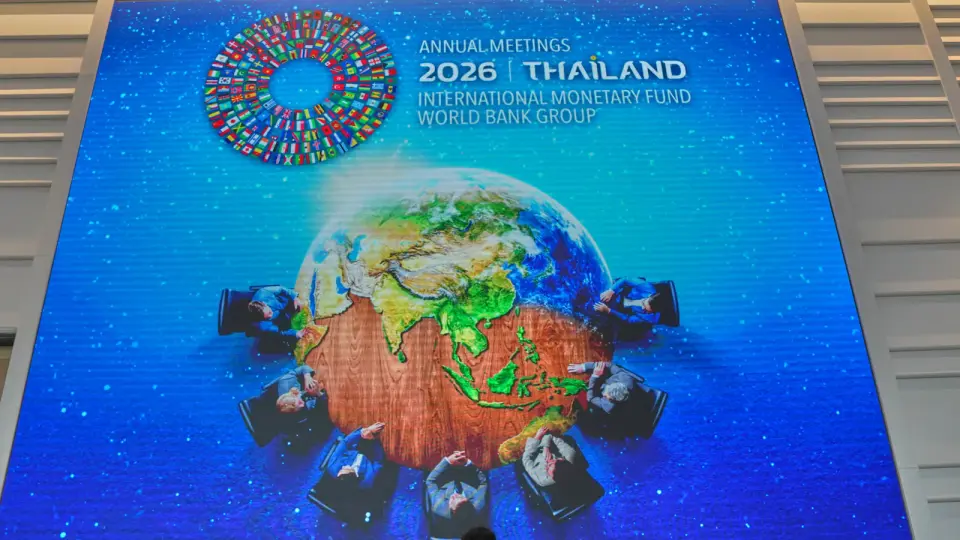
IMF Managing Director Kristalina Georgieva stated at the Bangkok annual meetings that U.S. economic growth alone cannot resolve the nation's over $40 trillion debt burden. She urged Washington and other wealthy nations to implement immediate fiscal consolidation to lower deficits, warning that rising bond yields are disproportionately harming low-income countries. While U.S. Treasury Secretary Scott Bessent advocates for growth-driven debt reduction, the IMF projects U.S. gross debt will reach 142% of GDP by 2031. Concurrently, UNDP officials highlighted a looming labor market gap, noting that 1.2 billion young people will enter the workforce over the next decade, but only 400 million net new jobs are expected to be created.
Key points
- Georgieva emphasized that while growth helps, it cannot deliver necessary fiscal adjustments quickly enough to address the U.S. deficit, which is expected to exceed 6% of GDP in fiscal 2026.
- Rising bond yields, with the 10-year benchmark near 5.2%, are creating historic interest payment burdens for developing nations, forcing them to choose between social support and debt repayment.
- The IMF and UNDP launched the 'Jobs for Prosperity' initiative to address AI-driven job displacement, aiming to attract investment in sectors like healthcare and tourism to offset the projected shortfall in global employment.
- A 'Bangkok Blueprint' was announced by the IMF, World Bank, and Bank of Thailand to combat cybercrime and financial fraud, following recent cyberattacks on French retail infrastructure.
Background
This development follows earlier warnings from Georgieva in October 2026 that global public debt is nearing 100% of GDP, a level not seen since World War II. Previous coverage noted that the IMF has shifted its focus from emerging-market crises to the fiscal instability of developed nations, as high borrowing costs in wealthy countries spill over into the global financial system. The current debate centers on whether AI-driven growth can offset these risks or if it exacerbates inflation and inequality.
How outlets are covering it
ABC News highlights the broader global impact, noting that the Global South is paying the price for interest rate hikes in wealthy nations, with U.K. Foreign Secretary Ed Miliband calling for a new debt deal. CNBC focuses on the specific policy disagreement between Georgieva and Treasury Secretary Scott Bessent, contrasting the IMF's demand for spending cuts with Bessent's reliance on 3% growth to lower the debt-to-GDP ratio. Both sources agree that current fiscal trajectories are unsustainable, but differ in emphasis: ABC stresses the humanitarian cost for developing nations, while CNBC details the technical projections of U.S. debt reaching 142% of GDP by 2031.
Why it matters
The failure of wealthy nations to control deficits is directly increasing borrowing costs for developing countries, threatening their ability to fund essential services. Simultaneously, the mismatch between AI-driven job creation and the influx of new workers poses a long-term social stability risk. Immediate fiscal consolidation in advanced economies is critical to preventing a broader global financial shock.
What to watch
Investors will monitor U.S. budget figures for fiscal 2026 and the implementation of the UNDP's 'Jobs for Prosperity' initiative. The IMF will continue to press for credible medium-term deficit control plans, while developing nations may seek refinancing options with better rates to alleviate current payment burdens.
- IMF chief urges US and wealthy nations to rein in debt to ease global economic pressure ABC News - Breaking News, Latest News and Videos
- IMF calls for US to cut deficits amid bond woes, urges China to shift away from exports Reuters
- Scott Bessent's growth plans aren't enough to tame surging deficit and debt pile, IMF chief says CNBC
- IMF Warns Governments Against Reliance on Short-Term Debt WSJ
- Catch up: Donald Trump defends his Russian diesel plan; another missile hits Riyadh airport The Economist
Want the full story? Read the original reporting
Read on ABC News - Breaking News, Latest News and Videos