
Palo Alto CEO Warns $1 Trillion in Cyber Debt Leaves Firms Vulnerable to AI Attacks
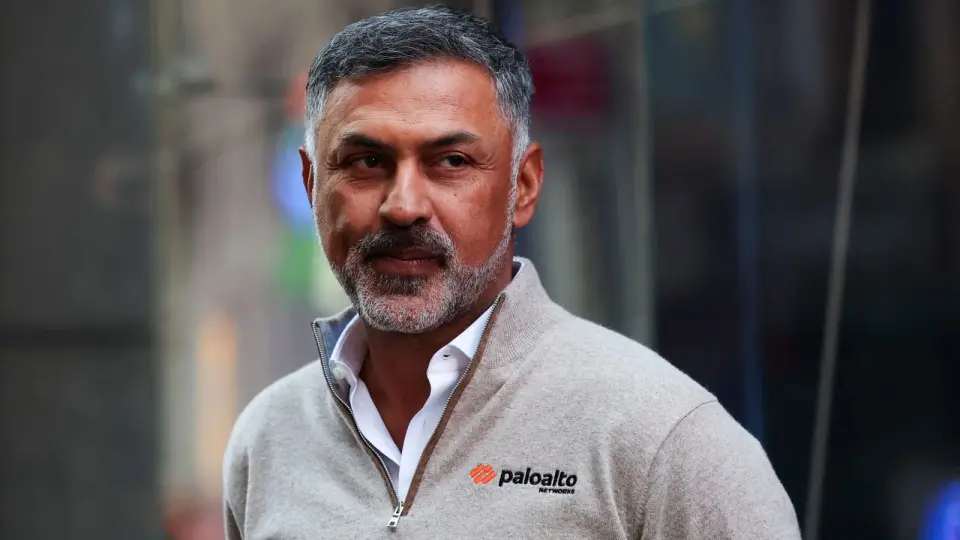
Palo Alto Networks CEO Nikesh Arora stated that approximately $1 trillion in aging global cybersecurity infrastructure is unprepared for AI-driven threats. He argued that AI accelerates attack speeds, forcing enterprises to modernize legacy systems. Despite a recent stock dip, the company reported strong fiscal Q4 results, with revenue reaching $3.41 billion and non-GAAP earnings of $1.02 per share, beating estimates. Arora emphasized that while modernization is slow, AI has expanded the long-term growth runway for the cybersecurity industry.
Key points
- Arora identified $1 trillion in global cybersecurity debt as a critical weakness against AI-enabled threats, noting that systems deployed 7-10 years ago cannot handle machine-speed attacks.
- Palo Alto Networks reported fiscal Q4 revenue of $3.41 billion, up 34.5% year-over-year, and non-GAAP earnings of $1.02 per share, exceeding analyst expectations.
- The company’s stock fell 1.9% in after-hours trading despite the earnings beat, reflecting market caution regarding the pace of infrastructure modernization.
- Arora highlighted a ninefold increase in agentic traffic on Palo Alto’s SASE platform over the past nine months, indicating rising demand for AI-driven security operations.
- The CEO warned that slow modernization could lead to major breaches in coming years, as organizations struggle to prioritize security upgrades amidst broader AI transformation efforts.
Background
Palo Alto Networks recently acquired Console and CyberArk to strengthen its AI capabilities. Earlier in 2026, the stock faced pressure from fears that AI would disrupt traditional security software, but sentiment shifted after Anthropic’s Mythos model demonstrated how easily AI could exploit vulnerabilities. The company’s next-generation security ARR rose 63% to $9.1 billion, signaling strong demand for modernized defenses.
How outlets are covering it
CNBC and GovInfoSecurity emphasize the urgency of modernizing $1 trillion in legacy infrastructure to counter AI threats, with Arora warning of potential major breaches. Calcalistech focuses on the strategic value of the CyberArk acquisition, framing it as a move to secure non-human identities and autonomous agents. Morgan Stanley, via MarketScreener, views AI threats as a catalyst for growth, supporting bullish analyst targets. While all sources agree on the long-term opportunity, they differ on immediate market reactions, with CNBC noting stock surges since April and GovInfoSecurity highlighting a recent post-earnings dip.
Why it matters
The shift from viewing AI as a disruptor to a growth driver for cybersecurity underscores a fundamental change in enterprise security strategy. As AI enables faster attacks, the $1 trillion in outdated infrastructure becomes a critical risk, driving demand for platformized, AI-driven security solutions. This trend could reshape the competitive landscape, favoring vendors with integrated, real-time defense capabilities.
What to watch
Palo Alto Networks expects Q1 revenue between $3.30 and $3.31 billion, with full-year fiscal 2027 revenue projected at $14.10-$14.20 billion. The company will continue expanding its Frontier AI Critical Defense Program, which has engaged roughly 2,000 companies. Analysts, including Citigroup and Wells Fargo, have raised price targets, reflecting confidence in AI-driven security demand. However, Arora cautioned that modernization will not happen overnight, with spending likely to unfold gradually as organizations prioritize security upgrades.
- Palo Alto CEO says $1 trillion of cybersecurity infrastructure isn’t ready for AI CNBC
- Palo Alto CEO says CyberArk is in a “pole position” as AI agents take over calcalistech.com
- Palo Alto: Security Debt Exposes Firms to AI-Powered Attacks GovInfoSecurity
- Palo Alto Seeing AI Threat as Catalyst, Morgan Stanley Says marketscreener.com
- Palo Alto Networks introduces frontier AI critical defense program cio.economictimes.indiatimes.com
Want the full story? Read the original reporting
Read on CNBC