
AirTag Tracking Reveals Amazon’s Secret Book-Destroying AI Facility
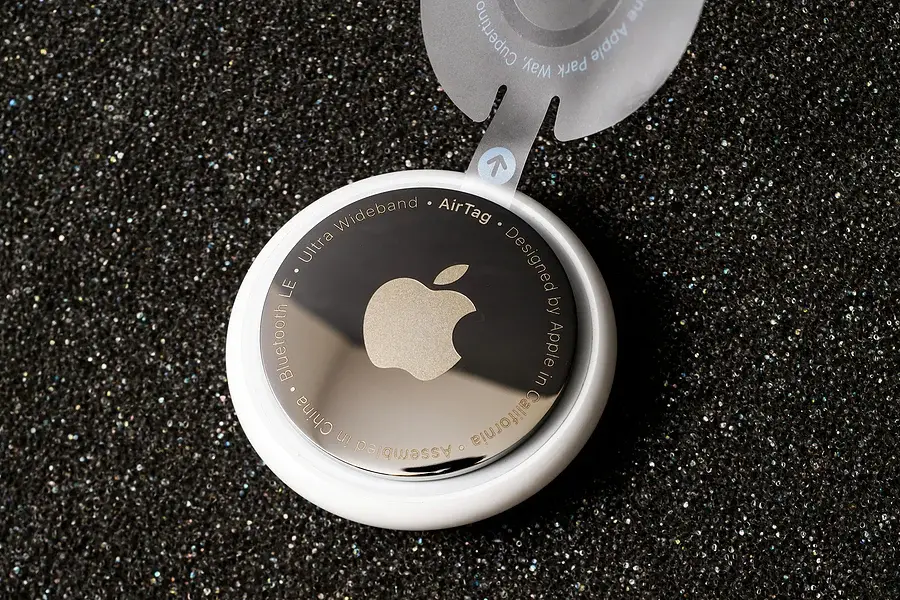
A 404 Media investigation used an Apple AirTag to trace rare books from a California seller to an Amazon warehouse in Las Vegas, revealing a facility that physically destroys books to scan text for AI training. While Amazon denies the purpose, the operation highlights growing ethical concerns over the destruction of unique literary works for machine learning.
Key points
- 404 Media reporter Emanuel Maiberg placed an AirTag in a rare book sold via the Biblio marketplace to track its destination.
- The tracker revealed the book traveled from California to Milwaukee, then to an Amazon warehouse in Las Vegas known as LAS8, specifically a section coded VGT3.
- Employees at VGT3 described a process where books are cut from their spines and scanned, with the facility’s logo depicting a T. rex eating a book.
- Amazon stated it purchases books through commercial channels to improve customer products but did not confirm the books are being destroyed for AI training.
- The investigation suggests AI firms are methodically buying books with ISBNs to ensure diverse training data, potentially destroying works with historical value that have no digital equivalent.
Background
This development follows a July 2026 report by 404 Media noting a surge in bulk book orders from anonymous buyers. It also builds on a June 2025 federal court ruling that deemed the destructive scanning of purchased print books as fair use, a decision that was central to a $1.5 billion settlement involving Anthropic. The current story provides physical evidence linking Amazon to this practice, whereas previous reports relied on bookseller testimony and court documents regarding Anthropic’s 'Project Panama.'
How outlets are covering it
GeekWire and Ars Technica both emphasize the investigative method, highlighting how a $29 AirTag provided concrete proof of the supply chain that booksellers had only suspected. Ars Technica notes that Amazon’s refusal to comment on AI training, combined with worker forum posts about a shortage of books, strengthens the inference that the scanning is for frontier model development. The BBC focuses more on the economic impact, noting that booksellers like Stuart Manley of Barter Books are seeing sales volumes equal to weeks of business in single orders. While GeekWire and Ars Technica frame the destruction as a potential loss of cultural heritage, the BBC highlights the ethical dilemma for sellers who are financially benefiting from the sales but are uncertain about the fate of the items. All sources agree that Amazon’s official statement is non-committal regarding the specific use of the scanned data.
Why it matters
This story exposes a tangible, physical consequence of the AI data race: the destruction of physical media. It raises significant questions about copyright, the preservation of historical texts, and the transparency of major tech companies. If confirmed, this practice could lead to the permanent loss of unique editions and obscure works that are not available digitally, potentially impacting future research and cultural heritage. It also highlights the effectiveness of low-cost consumer technology in uncovering corporate secrecy.
What to watch
Expect further scrutiny from booksellers and copyright advocates regarding Amazon’s purchasing practices. Legal experts may revisit the 2025 fair use ruling in light of this new evidence of physical destruction. Amazon may face increased pressure to clarify its data acquisition methods, while booksellers may continue to monitor for unusual bulk orders. The debate over whether AI training justifies the destruction of physical books is likely to intensify in policy and legal circles.
- How an AirTag planted by a reporter led to a secret Amazon site where old books are cut apart and scanned GeekWire
- AI Companies Are Buying—And Destroying—Antique Books. Here’s Why. Forbes
- Hidden Airtag reveals Amazon is trashing rare books to train AI Ars Technica
- Secondhand book sales are booming. Is it because of AI? BBC
- Amazon Is Buying Up Older Books and Destroying Them After Scanning. The Orders Go Back to 2024 inc.com
Want the full story? Read the original reporting
Read on GeekWire