
Amazon Drone Expansion Sparks Noise Complaints and PTSD Fears
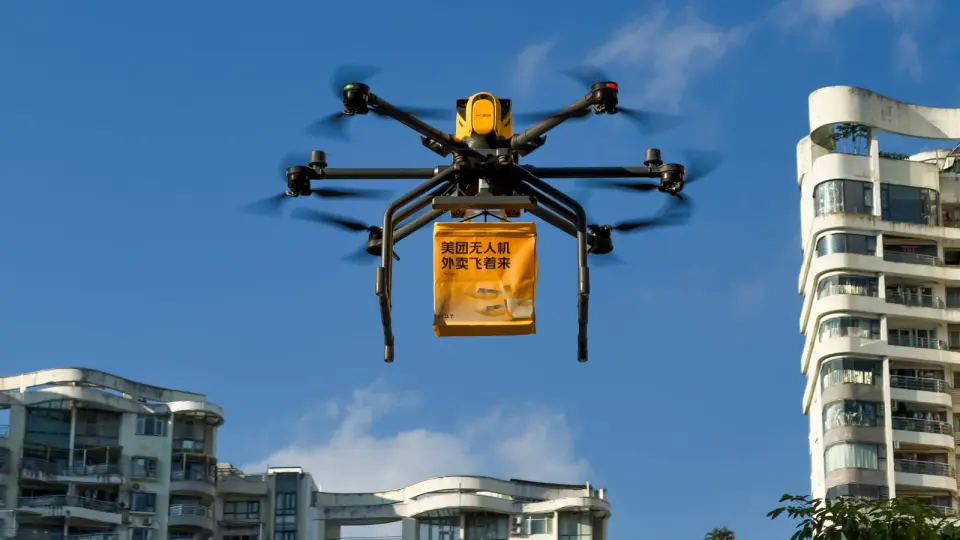
Amazon is expanding its Prime Air drone delivery service to nearly 500 US cities by the end of 2026, facing growing local resistance. Residents in Baton Rouge, Nampa, and Meridian have reported high-frequency overflights and noise levels comparable to leaf blowers, prompting complaints to the FAA and local officials. While Amazon cites privacy protections and noise mitigation, critics argue that federal airspace rules prevent local governments from regulating flight paths, creating a dispute over community impact versus commercial expansion.
Key points
- Amazon announced plans to expand Prime Air to nearly 500 cities and towns by the end of 2026, joining competitors like DoorDash and Zipline.
- In Baton Rouge, Louisiana, one resident counted 18 drone overflights in 21 minutes, with Amazon rerouting 70% of flights away from that specific neighborhood after complaints.
- In Nampa and Meridian, Idaho, city officials are receiving inquiries about noise and privacy, with Nampa requesting flight data to ensure compliance with its conditional use permit.
- Amazon states its drones operate at 200-350 feet and produce noise up to 68 decibels, but residents describe the sound as disruptive and persistent, often forcing them indoors.
- Local governments in Idaho and Louisiana lack authority to regulate drone altitude or routing as long as operators comply with FAA guidelines, limiting their ability to address resident concerns.
- Mental health experts warn that the sound of drones can trigger anxiety and PTSD symptoms, particularly for those with prior trauma from military or conflict-zone drone warfare.
Background
The expansion of commercial drone delivery follows earlier regulatory scrambles in cities like Denver, where local governments attempted to regulate noise and site placement before federal preemption. Zipline recently introduced noise-reduction algorithms, claiming a 68% reduction in sound exposure, while Walmart and Wing plan to launch services in Denver and Seattle in 2027. These developments occur as the FAA clears hurdles for beyond-visual-line-of-sight flights, increasing the prevalence of uncrewed aircraft in suburban and urban areas.
How outlets are covering it
Ars Technica emphasizes the psychological impact of drones, linking the noise of delivery drones to 'dronophobia' and PTSD symptoms observed in conflict zones. It highlights how the sound of propellers can trigger hypervigilance and anxiety, even for those not directly attacked. BoiseDev focuses on the local regulatory response in Idaho, detailing how Nampa and Meridian are gathering data and communicating with Amazon to address resident complaints, while noting the legal limitations of local governments. Yahoo highlights the logistical and privacy concerns in Baton Rouge, Texas, and Massachusetts, noting that while Amazon reroutes flights to quiet one area, it may shift the burden to others. It also points out that Amazon's privacy claims lack independent technical audits, and that federal jurisdiction prevents local control over flight paths. The three sources agree on the growing community backlash but differ in emphasis: Ars focuses on mental health, BoiseDev on local governance, and Yahoo on the inequity of flight redistribution and privacy concerns.
Why it matters
The rapid expansion of drone delivery raises critical questions about the balance between commercial convenience and community well-being. As noise and privacy concerns grow, the lack of local regulatory power over airspace could lead to uneven distribution of drone traffic, disproportionately affecting communities without the resources to push back. Additionally, the potential for drones to trigger anxiety and PTSD symptoms highlights the need for mental health considerations in urban planning and technology deployment. The situation underscores the tension between federal oversight and local control, as communities struggle to address the cumulative impact of repeated drone flights on their quality of life.
What to watch
Amazon is evaluating options to address resident concerns, including potential adjustments to flight paths, as stated by a company spokesperson. Local governments in Idaho and Louisiana are continuing to gather data and communicate with Amazon and the FAA to address complaints. The FAA is expected to continue reviewing environmental impacts for new drone operations, though its findings may not capture the cumulative experience of residents. As more operators like DoorDash, Zipline, and Walmart expand their services, communities may face overlapping drone traffic, intensifying the debate over noise, privacy, and equitable distribution of flight paths.
- Delivery drones are coming. For some with PTSD, that’s a terrifying prospect. Ars Technica
- The Backyard Battle Over Amazon Delivery Drones ‘Stealing the Sky’ WSJ
- Amazon may adjust drone delivery flight paths after nearby residents complain of constant buzz KTVB
- People in Nampa, Meridian start hearing Amazon drones. The cities are hearing complaints Boise Dev
- Baton Rouge Residents Counted 18 Amazon Drone Overflights in 21 Minutes – Exposing Growing Clash Over Noise, Privacy, and Federal Airspace Rules Yahoo
Want the full story? Read the original reporting
Read on Ars Technica