
Amodei Prioritizes Culture Over Talent in Anthropic IPO Pitch
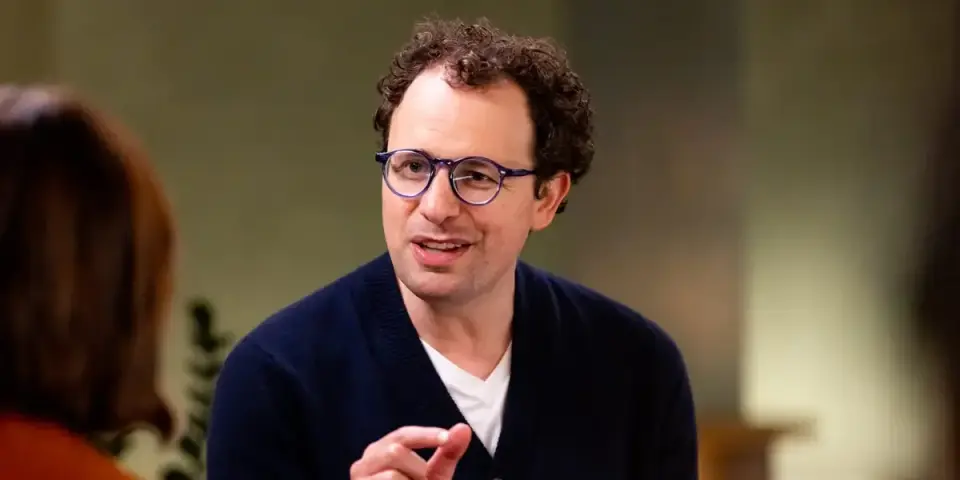
Anthropic CEO Dario Amodei told JPMorgan’s Jamie Dimon that the company rejects technically gifted candidates who lack collaborative or public-benefit values. Ahead of its November 19 IPO, Amodei emphasized that talent and culture are his primary focus, claiming this approach ensures high retention and a 'high-trust' environment. While Anthropic’s valuation has dropped to approximately $1.4 trillion from earlier $2 trillion estimates, Amodei argues that safety-focused hiring strategies justify the company’s enterprise-centric pivot and long-term stability.
Key points
- Amodei stated he spends 40-50% of his time on talent and culture, rejecting candidates who are 'jerks' or prioritize individual glory over team collaboration.
- Anthropic’s workforce expanded from 940 to 5,300 employees, yet the company reports only 1% regrettable attrition, with some former employees returning after brief departures.
- The company’s IPO is priced between $70 and $78 per share, targeting a valuation of roughly $1.4 trillion, a significant reduction from earlier estimates due to market volatility and compute cost concerns.
- Amodei described the firm as a 'high-trust, low-ego organization' where the best argument wins, not the loudest voice, fostering an environment of radical honesty and transparency.
- The CEO emphasized that Anthropic deliberately chose enterprise and coding tools over consumer chatbots to align with its safety-first strategy, a move that distinguishes it from rivals like OpenAI.
Background
Anthropic is preparing for its Nasdaq debut on November 19, 2026, under the ticker 'ANT'. The company’s valuation has fallen from a summer target of $2 trillion to approximately $1.4 trillion, reflecting broader AI market volatility and concerns over massive infrastructure spending. Amodei, who co-founded Anthropic in 2021 after leaving OpenAI, has faced criticism from peers like Nvidia’s Jensen Huang for advocating slower AI development to ensure safety. This IPO pitch occurs amid a contentious debate within the tech industry regarding the balance between rapid innovation and regulatory caution.
How outlets are covering it
Business Insider and AFP.com highlight Amodei’s emphasis on cultural fit and safety, noting that he rejects technically talented individuals who do not align with the company’s values. The New York Times and Crypto Briefing, however, focus on the friction between Amodei and other tech leaders, such as Jensen Huang and Satya Nadella, who argue that AI development should not be slowed for safety concerns. While Amodei frames his hiring standards as essential for long-term stability and public benefit, critics view his stance as overly cautious and potentially hindering innovation. The divergence in perspectives underscores a broader industry split between those prioritizing safety and those favoring rapid expansion.
Why it matters
Amodei’s hiring philosophy signals a shift in how leading AI companies approach growth, prioritizing cultural cohesion and safety over raw technical talent. This strategy may influence industry norms as firms navigate the risks of advanced AI systems. Additionally, the IPO’s reduced valuation reflects market skepticism about AI profitability, making Anthropic’s focus on retention and safety a critical factor for investor confidence. The outcome of this listing could set precedents for how AI firms balance innovation with regulatory and ethical considerations.
What to watch
Anthropic’s stock will begin trading on November 19, 2026, with the market closely watching how the company’s culture-driven approach translates into financial performance. Amodei’s warnings about AI agent swarms and the need for regulatory measures may gain traction if incidents of AI-related damage occur within his predicted 6-12 month window. The success of the IPO will also depend on whether investors accept the company’s safety-first strategy as a viable path to long-term profitability in a volatile market.
- The 4 types of people Dario Amodei said he won’t hire — and what Anthropic looks for instead Business Insider
- Why Anthropic’s Dario Amodei Has Angered OpenAI and Other A.I. Peers The New York Times
- Anthropic’s Dario Amodei Can’t Always Have His Way Bloomberg.com
- Anthropic CEO sells investors on safety, 'no jerks' culture AFP.com
- Anthropic’s Dario Amodei splits AI leaders with his safety warnings Crypto Briefing
Want the full story? Read the original reporting
Read on Business Insider