
Anthropic Unveils Cyber Mission to Deploy AI Defenses for Critical Infrastructure and Open Source
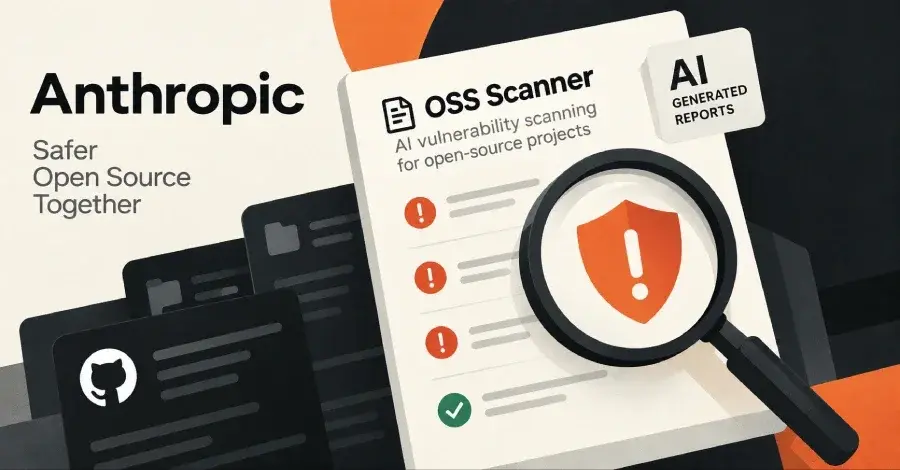
Anthropic launched its Cyber Mission on October 8, 2026, introducing two major initiatives: the Critical Infrastructure Defense Program (CIDP) and OSS Scanner. CIDP provides frontier AI models and engineers to partners like Accenture and CrowdStrike to secure power grids and water systems. OSS Scanner offers free, automated vulnerability scans for open-source projects using Claude models, aiming to accelerate patching without human triage. The move follows lessons from Project Glasswing, acknowledging that while AI finds bugs quickly, verifying and fixing them remains a bottleneck for defenders.
Key points
- Anthropic launched the Cyber Mission on October 8, 2026, focusing on securing critical infrastructure and open-source software.
- The Critical Infrastructure Defense Program (CIDP) partners with firms like Accenture, CrowdStrike, and Rockwell Automation to secure operational technology in power grids and water systems.
- OSS Scanner is a free, opt-in service that uses Claude models to scan open-source projects for vulnerabilities, generating reports without human review.
- OSS Scanner expects a true-positive rate above 90% but does not impose a 90-day disclosure period due to potential false positives.
- Anthropic has identified over 29,000 candidate vulnerabilities, reporting more than 6,000 to maintainers, resulting in 584 advisories as of October 2, 2026.
- The initiative aims to counter AI-enabled attacks by providing defenders with tools to catch bugs before they ship and to harden secure architectures.
Background
This launch follows Anthropic's earlier Project Glasswing, which provided vetted organizations with access to its most capable models for security testing. In June 2026, Anthropic launched a cyber defense program for US state and local governments, offering Claude models to over half of all US states. The current Cyber Mission expands on these efforts by integrating AI into defensive workflows for critical infrastructure and open-source ecosystems, addressing the gap between finding vulnerabilities and fixing them.
How outlets are covering it
Anthropic emphasizes the need to arm defenders with AI tools to counter machine-speed attacks, forecasting that AI will favor defense within two years. Axios highlights the challenge of safely testing fixes in critical infrastructure without disrupting operations and notes uncertainty about cost-sharing for model access. The Hacker News details the technical enrollment process for OSS Scanner, including YAML configuration and Dockerfile requirements, and notes that 116 pull requests have been submitted. Anthropic's official announcement stresses the collaboration with industry partners and the long-term commitment to securing systems, while acknowledging that verifying and fixing vulnerabilities remains difficult despite AI's ability to find them quickly.
Why it matters
As AI lowers the cost and increases the speed of cyberattacks, defenders face a growing gap in their ability to verify and fix vulnerabilities. Anthropic's Cyber Mission aims to close this gap by providing free, automated scanning for open-source projects and AI-powered support for critical infrastructure, potentially accelerating the pace of security improvements and reducing the risk of widespread disruptions in essential services.
What to watch
Anthropic plans to expand the CIDP to more partners and sectors, sharing lessons learned from initial deployments. The company expects to impose disclosure periods on high-severity vulnerability reports as confidence in OSS Scanner's performance grows. Future efforts will include automating triage and patching, researching new secure architectures, and collaborating with other AI developers and governments to strengthen cybersecurity across critical infrastructure and open-source ecosystems.
- Anthropic Launches Free AI Vulnerability Scanner for Open-Source Projects The Hacker News
- Introducing the Anthropic Cyber Mission Anthropic
- Exclusive: Anthropic's new plan to protect critical infrastructure Axios
- Hitachi Joins Anthropic’s Critical Infrastructure Defense Program Business Wire
- AI company moves to defend critical infrastructure and open-source projects from AI The Register
Want the full story? Read the original reporting
Read on The Hacker News