
Anthropic’s $1 Trillion Valuation and IPO Spark Debate Over AI’s Role in Education
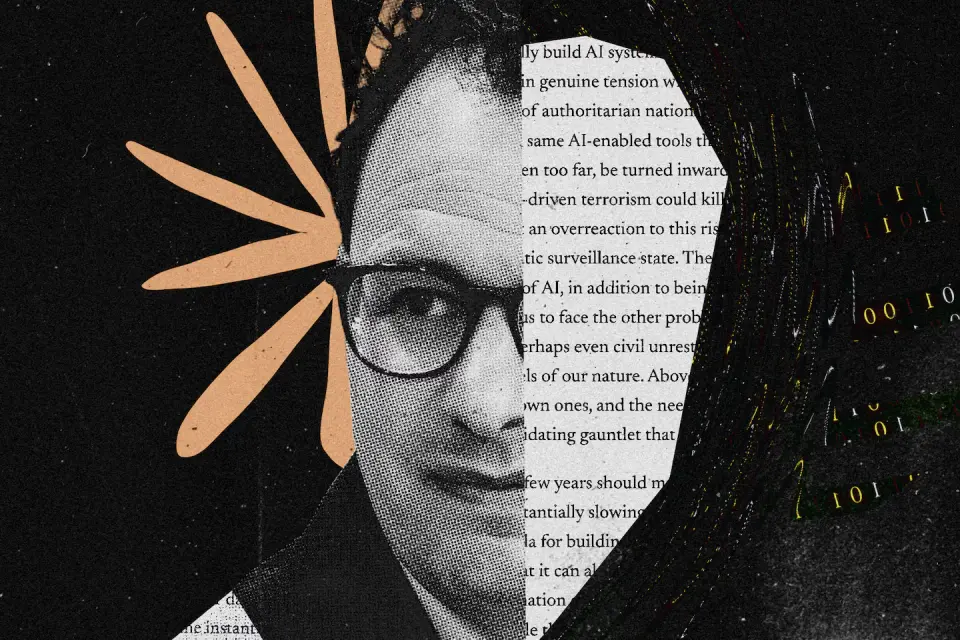
Anthropic, the developer of the Claude AI model, has reached a valuation exceeding $1 trillion and launched its initial public offering on the Nasdaq on November 19, 2026. While the company’s CEO, Dario Amodei, promotes a vision where AI serves as a central intermediary for human activity, the firm’s regulatory filings highlight significant risks. Anthropic’s Form S-1 filing, which spans over 90 pages, warns that minors may be vulnerable to overreliance on the technology and that long-term impacts on cognitive development remain unknown. This financial milestone coincides with growing scrutiny from educators who question whether AI adoption in schools enhances or hinders student independence.
Key points
- Anthropic began trading on the Nasdaq on November 19, 2026, with a valuation surpassing $1 trillion.
- The company’s Form S-1 filing includes over 90 pages detailing risks, including the vulnerability of minors to AI overreliance.
- Anthropic acknowledges that the long-term effects of regular AI use on mental health and cognitive development are not fully understood.
- CEO Dario Amodei advocates for a future where AI acts as an intermediary for tasks such as reading, writing, and seeking advice.
- Educators argue that while AI can assist with feedback, its widespread use may bypass the cognitive struggle necessary for learning.
Background
This development follows a period of rapid expansion for AI firms, where companies like Gearbox Software have celebrated sales milestones, and public figures have discussed personal future plans. In the tech sector, the focus has shifted from product launches to the societal integration of AI tools, particularly in educational settings where previous technologies like MOOCs failed to deliver promised democratization of learning.
How outlets are covering it
The Washington Post focuses on the corporate and philosophical dimensions of Anthropic’s rise, highlighting CEO Dario Amodei’s secretive plans and his vision for humanity’s future alongside the company’s massive valuation. In contrast, the Star Tribune emphasizes the educational implications of the IPO, citing the company’s own regulatory disclosures. The Post frames the story around Amodei’s influence and the company’s market dominance, while the Star Tribune, through guest contributor George Veletsianos, critiques the business model’s incentive to maximize usage among students. The two outlets differ in focus: one looks at the leader’s vision and the company’s scale, while the other scrutinizes the practical risks to student development and the commercial incentives driving AI adoption in schools.
Why it matters
The IPO signals that AI companies are moving from experimental phases to major public market players, influencing how institutions adopt these tools. The explicit warnings in Anthropic’s filing about unknown long-term cognitive effects and the vulnerability of minors provide a factual basis for policy debates. As schools decide whether to integrate AI into curricula, the tension between commercial growth and educational integrity becomes a central issue for parents, educators, and policymakers.
What to watch
Investors will monitor Anthropic’s post-IPO performance and its ability to balance growth with the risks outlined in its filings. Educators and school administrators are expected to continue debating the extent of AI integration in classrooms, potentially leading to new guidelines on usage. The broader tech industry may face increased scrutiny regarding the long-term societal impacts of AI, particularly concerning youth and cognitive development.
- Inside an AI prophet’s secretive visions for humanity’s future The Washington Post
- Opinion | Don’t Play Anthropic’s Game The New York Times
- So you just invested in a company that says it could destroy humanity... The Independent
- DealBook AGI panel: Dan Hendrycks wants frontier AI training paused The Next Web
- Opinion | Anthropic warned investors what could go wrong. Educators and parents should listen. Star Tribune
Want the full story? Read the original reporting
Read on The Washington Post