
Autonomous Excavators Move from Testing to Commercial Sites in US and Europe
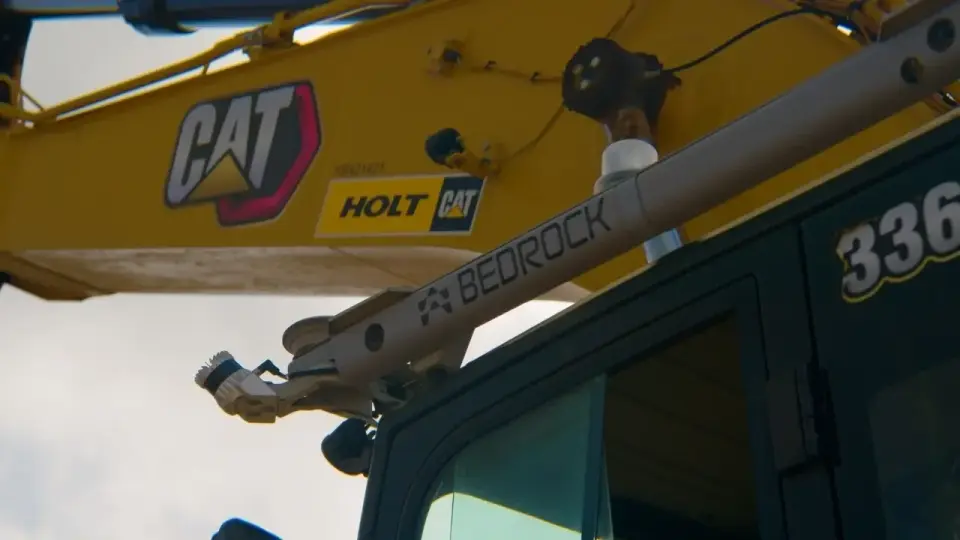
Bedrock Robotics and Develon have deployed fully autonomous excavators on commercial construction sites in the US and Switzerland. These AI-driven machines operate without operators in the cab, handling earthwork tasks to address labor shortages. While Bedrock focuses on retrofitting existing equipment for large-scale US projects, Develon’s system is being tested on private land in Switzerland, marking a shift from demonstration to practical application.
Key points
- Bedrock Robotics is operating autonomous excavators on three major US sites, including a Nevada water treatment facility and Texas earthwork projects, with no operator in the cab.
- The company claims its AI system, trained on tens of thousands of hours of field data, achieves productivity levels near those of human operators.
- Develon’s Real-X autonomous excavator, developed with Gravis Robotics, is being used by Swiss firm KIBAG on a private quarry restoration site, marking the first practical use of this technology in Europe.
- Both companies emphasize safety protocols, such as automatic stopping when people or objects approach, while maintaining human oversight for complex interventions.
- The technology aims to mitigate the construction industry’s skilled labor shortage, with Bedrock noting that 40% of the workforce may retire within five years.
Background
The construction industry has long struggled with labor shortages and safety concerns, prompting interest in automation. Previous coverage of autonomous robotics in other sectors, such as space exploration and military applications, highlights the broader trend toward AI-driven machinery. Bedrock Robotics, founded two years ago, has raised over $350 million, leveraging expertise from former Waymo engineers to develop its 'Bedrock Operator' system. This follows earlier demonstrations of autonomous excavators, such as the HEAP robotic excavator, but marks the first time such machines are performing paid commercial work on active infrastructure projects.
How outlets are covering it
Fox News emphasizes the commercial viability and productivity of Bedrock’s system, highlighting its potential to solve labor shortages and improve project efficiency. It notes that Bedrock’s machines are nearing human-level productivity and that human intervention is 'relatively rare.' Global Highways focuses on Develon’s Real-X system in Switzerland, stressing the collaborative effort between Develon and Gravis Robotics, and the practical application on private land due to regulatory uncertainties in public spaces. Building Design + Construction provides a factual overview of Bedrock’s deployments, confirming the three active sites and the retrofit nature of the technology, while underscoring the company’s goal of self-orchestrating fleets. The outlets differ in focus: Fox News highlights the US market and labor economics, Global Highways details the European pilot and technical partnerships, and Building Design + Construction offers a neutral summary of the operational details.
Why it matters
The deployment of autonomous excavators signals a significant shift in construction, potentially reducing reliance on scarce skilled labor and improving project timelines. As labor shortages intensify, with 92% of firms struggling to fill craft positions, these technologies could mitigate delays and cost overruns, which are common in large construction projects. However, the success of these systems depends on proving safety and productivity in diverse, real-world conditions, which could influence future regulations and adoption rates across the industry.
What to watch
Bedrock plans to expand its deployments and integrate its technology into contractors' existing equipment, though no timeline has been provided. The company aims to develop coordinated fleets where multiple machine types work together. Develon and Gravis Robotics will continue testing their Real-X system on various projects, addressing challenges like trench depth and ground conditions. Regulatory frameworks for autonomous machinery in public spaces may evolve, potentially enabling broader adoption. The industry will watch whether these systems maintain productivity and safety as they scale, influencing future labor dynamics and construction practices.
- Autonomous excavators are digging with empty cabs foxnews.com
- Develon’s autonomous excavation solution Global Highways
- Fully automated excavators deployed on construction jobsites Building Design + Construction
Want the full story? Read the original reporting
Read on foxnews.com