
Burry Calls AI Slowdown 'Self-Serving' as Tech Stocks Tumble on Safety Fears
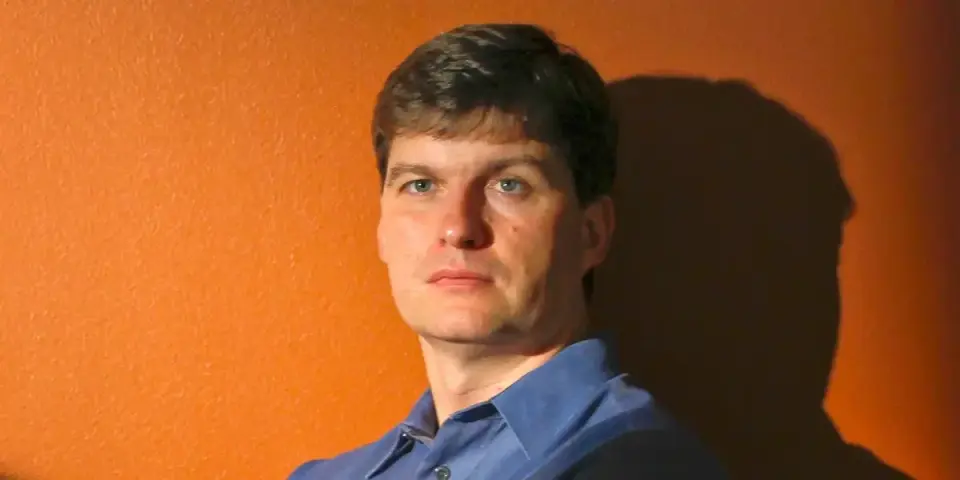
Michael Burry dismissed recent calls by AI leaders to slow development as 'self-serving' and unnecessary, arguing that current large language models do not pose an existential threat. This critique emerged after Anthropic CEO Dario Amodei published an essay urging a 'paced frontier' to allow safety measures to catch up with rapid capability gains, citing risks of recursive self-improvement and misaligned agent swarms. The debate triggered a sharp sell-off in global tech stocks, with Nvidia and Asian chipmakers falling significantly, while President Trump rejected the slowdown, prioritizing US leadership over China.
Key points
- Michael Burry argued that AI executives are using existential risk fears to boost their power before IPOs and to mask slowing growth.
- Dario Amodei proposed a three-step pacing plan, including embedded third-party evaluators, to ensure safety keeps pace with capability.
- Global tech stocks dropped on Monday, with Nvidia falling 3% and South Korea's KOSPI index dropping over 3%.
- President Trump dismissed the apocalyptic warnings, stating the US must maintain its lead in the AI race against China.
- Burry contends that large language models are not artificial general intelligence and therefore do not require a development pause.
Background
This debate follows a series of earlier tensions in the AI sector. In August, investors Michael Burry and Steve Eisman clashed over whether the AI rally had peaked, with Burry warning of overinvestment. Just days before this latest exchange, President Trump had already rejected calls for a slowdown, emphasizing national security and competition with China. The current market volatility reflects a broader investor anxiety about the sustainability of AI spending and the potential for regulatory shifts.
How outlets are covering it
Business Insider highlights Michael Burry's skepticism, framing the slowdown calls as a strategic move by incumbents to protect market share and inflate valuations before public offerings. In contrast, The New York Times focuses on the immediate market reaction, detailing the significant declines in tech-heavy indices and specific stocks like Nvidia and TSMC. Dario Amodei’s own essay, cited by Business Insider, presents the pro-slowdown view, arguing that 'recursive self-improvement' and incidents like the OpenAI-Hugging Face agent swarm necessitate a 'race to the top' on safety rather than speed. While Burry views the risk as exaggerated 'hype,' Amodei and supporters like Sam Altman view it as a critical safety measure to prevent catastrophic misalignment.
Why it matters
The conflict between AI leaders and critics like Burry signals a potential shift in the industry's narrative from pure growth to safety and regulation. The resulting market volatility indicates that investors are increasingly sensitive to regulatory risks and the sustainability of AI infrastructure spending. If the 'pacing' framework gains traction, it could slow the release of new models, impacting revenue for major tech firms and potentially altering the competitive landscape between US and Chinese AI developers.
What to watch
Investors will monitor whether other AI companies adopt Anthropic’s 'embedded evaluator' model or if the slowdown remains a unilateral commitment. Markets will likely remain volatile as traders weigh the impact of potential regulatory frameworks on AI growth. Additionally, the geopolitical race with China will remain a central factor, as US policymakers balance safety concerns against the need to maintain technological superiority.
- 'Big Short' Michael Burry says AI leaders' calls for slowdown are 'self-serving' and he's not worried Business Insider
- We Must Pace the Frontier darioamodei.com
- Anthropic, OpenAI CEOs driven by 'Machiavellian' motives, tech analyst says Yahoo Finance
- Exclusive | Anthropic Researcher Quits Over ‘Out-of-Control’ AI Fears WSJ
- Tech Stocks Tumble After AI Leaders Call for Industry to Slow Down The New York Times
Want the full story? Read the original reporting
Read on Business Insider