
California DMV bans Waymo robotaxis from state freeways after construction zone and traffic break incidents
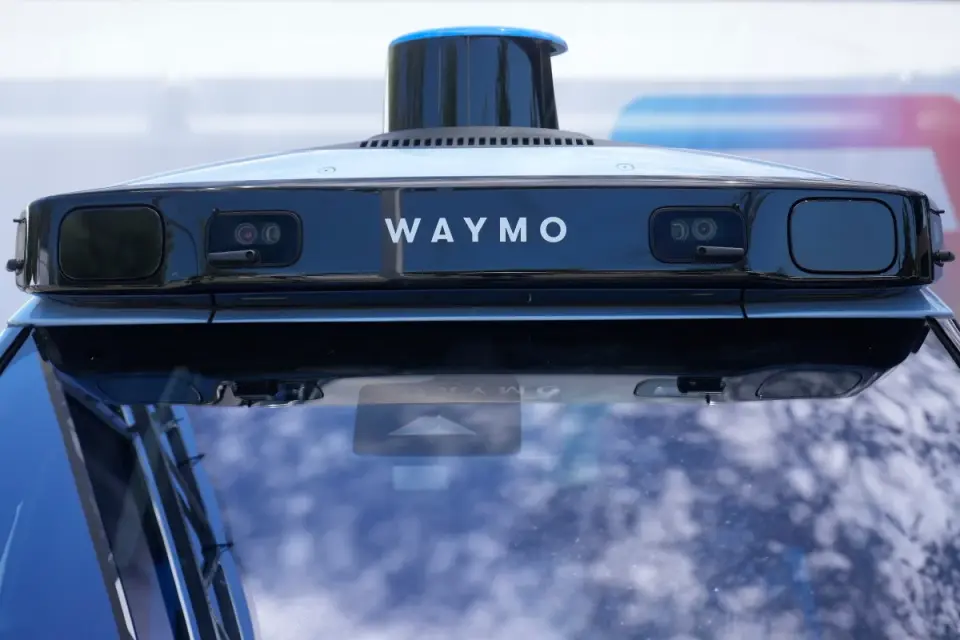
The California Department of Motor Vehicles has banned Waymo from operating its driverless vehicles on state freeways, citing an 'imminent hazard' after two recent incidents. The restriction, effective November 11, 2026, follows events on November 5 and 6, where Waymo vehicles entered a construction zone on U.S. 101 and attempted to bypass a California Highway Patrol traffic break on I-280. Waymo has suspended freeway operations across all its markets but continues service on surface streets. The ban will remain until Waymo demonstrates effective corrective actions.
Key points
- The California DMV issued the ban on November 11, 2026, after two incidents on November 5 and 6.
- On November 5, three Waymo vehicles entered an active construction zone on U.S. Highway 101 near Burlingame.
- On November 6, a Waymo vehicle attempted to bypass a California Highway Patrol traffic break on Interstate 280 in San Francisco.
- Waymo has temporarily restricted freeway operations in all its markets, including San Francisco, Los Angeles, Phoenix, Miami, and Austin.
- The DMV stated the ban will remain until Waymo demonstrates effective corrective actions to address the deficiencies.
- Waymo continues to operate its vehicles on California surface streets, serving over half a million trips weekly.
Background
This is the second time in 2026 that Waymo has faced freeway restrictions. In May 2026, Waymo paused freeway operations in several cities, including San Francisco and Los Angeles, to improve how its vehicles respond in construction zones. The current ban follows a pattern of recurring incidents, with the DMV noting similar events occurred on May 18. Additionally, Waymo has faced scrutiny over parking violations in San Francisco, with over 8,000 citations and nearly $1 million in fines since 2025. A separate incident on November 16 in Phoenix involved a high-speed collision with two Waymo vehicles, though police suspect a speeding SUV caused the crash.
How outlets are covering it
AP News and ABC7 Bay Area both report the core facts of the ban and the two incidents. AP News emphasizes the DMV's 'imminent hazard' determination and the statewide scope of the ban. ABC7 Bay Area provides additional context on the May 2026 restrictions and includes a passenger's account of a previous construction zone incident. ABC7 also features a university professor's perspective on autonomous vehicle safety, noting that while data shows they are safer overall, they struggle with contextual understanding. Waymo's response, as reported by both outlets, emphasizes safety and cooperation with regulators, but ABC7 highlights the company's temporary restriction of freeway operations across all markets, a detail AP News mentions less prominently.
Why it matters
The ban highlights ongoing challenges in deploying autonomous vehicles in complex, high-speed environments like freeways and construction zones. It raises questions about the safety and reliability of robotaxis in public spaces and the regulatory response to emerging technologies. The incident may influence future regulations and public trust in autonomous vehicle technology.
What to watch
Waymo must demonstrate effective corrective actions to the California DMV to resume freeway operations. The company is working with state officials to address the deficiencies. The DMV will monitor Waymo's progress and may lift the ban if satisfactory improvements are shown. The incident may also lead to increased scrutiny of autonomous vehicle operations in other states.
- California bans Waymo autonomous vehicles from state freeways, saying they pose an 'imminent hazard' AP News
- California DMV bans driverless Waymo vehicles from operating on state freeways CNN
- CA DMV bans Waymos from operating on state freeways after Bay Area traffic incidents ABC7 Bay Area
- Waymo Pulls Its Driverless Taxis From All U.S. Highways Temporarily The New York Times
- DMV orders Waymo to pull robotaxis off California freeways SFGATE
Want the full story? Read the original reporting
Read on AP News