
California State Trial Tests Tesla’s Defense of Fremont Factory Racism Allegations
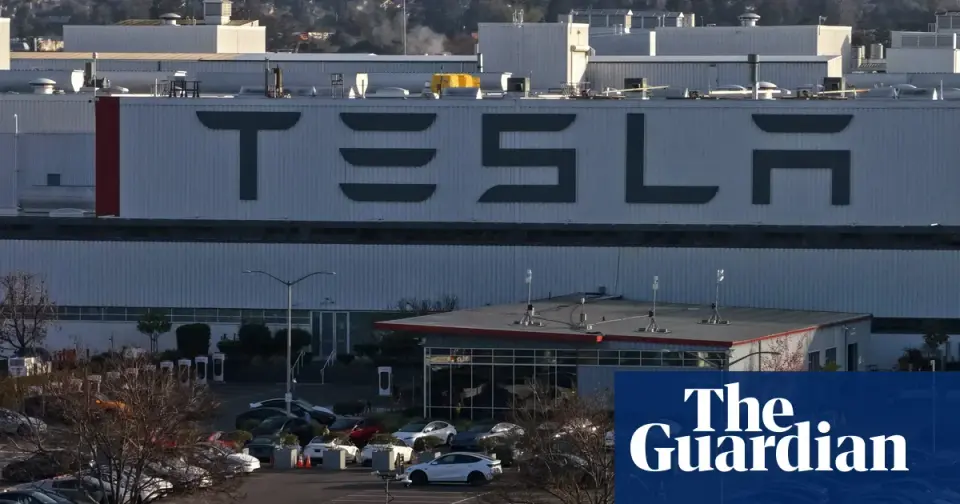
A bench trial began in Oakland on October 6, 2026, regarding a lawsuit filed by the California Civil Rights Department against Tesla. The state alleges that Black employees at Tesla’s Fremont plant faced systemic racial harassment, pay disparities, and segregation between 2018 and 2024. The trial is significant because it bypasses private arbitration clauses, allowing the state to seek uncapped damages. Tesla denies the claims, arguing that it disciplines offenders and that the state is unfairly targeting the company. The case is part of a broader pattern of discrimination lawsuits against Tesla, including a federal EEOC case and previous individual verdicts.
Key points
- The California Civil Rights Department (CRD) filed the lawsuit in February 2022 after a three-year investigation into hundreds of complaints from Black workers at Tesla’s Fremont plant.
- Allegations include the use of racial slurs, racist graffiti (such as swastikas and Confederate flags), unequal pay, and discriminatory promotion practices.
- The trial is a bench trial presided over by Judge Peter Borkon, scheduled to conclude by October 30, 2026.
- The state is seeking financial damages and injunctive relief to force changes in Tesla’s labor practices.
- Tesla denies wrongdoing, stating it has a majority-minority workforce and has disciplined employees for misconduct, including racial slurs.
- The case is distinct from private lawsuits because the state is not bound by arbitration agreements, and there is no cap on damages under California law.
Background
This trial is the culmination of years of discrimination claims against Tesla, which began around 2017. Previous cases include a 2021 federal jury award of $137 million to former employee Owen Diaz, which was later reduced on appeal. A federal EEOC lawsuit alleging systematic racial harassment is currently in mediation. The current trial is the first government agency case to reach a full trial, distinguishing it from private class actions that have faced decertification or arbitration hurdles.
How outlets are covering it
The California Civil Rights Department, represented by lawyer Brett Watson, emphasizes the systemic nature of the racism, citing hundreds of complaints and specific incidents of harassment, such as a worker being asked if he wanted to 'hang from a tree.' They argue that management ignored these issues for years. Tesla, represented by lawyer Tyree Jones, defends its actions by claiming it disciplines offenders and that the state is attacking the way Black people greet each other. Tesla also highlights its role as a major employer in California. Electrek notes that Tesla’s usual legal defenses, such as arbitration, are ineffective in this state-led case, and that the company has faced multiple discrimination suits from different fronts. Jalopnik highlights the significance of the case going to trial, noting that Tesla has long been accused of racist practices but this is the first time a government agency case is reaching a judge. The sources agree on the core allegations but differ in their emphasis on the legal implications and the broader context of Tesla’s discrimination lawsuits.
Why it matters
The outcome of this trial could have sweeping consequences for Tesla, as the state is not bound by arbitration agreements and can seek uncapped damages. A ruling against Tesla could force changes in its labor practices and internal policies. The case also highlights the ongoing challenges Tesla faces in addressing discrimination claims, which have been a recurring issue for the company since 2017. The trial’s outcome may influence how other companies handle similar allegations and could set a precedent for state-led discrimination cases.
What to watch
The trial is expected to continue through the end of October 2026. Judge Peter Borkon will make the final ruling. The outcome could lead to financial damages and injunctive relief for Tesla. The case may also influence the resolution of other discrimination lawsuits against Tesla, including the federal EEOC case and private class actions. Tesla’s response to the trial’s outcome will be closely watched, as it could impact the company’s reputation and legal standing.
- Black Tesla employees accuse company of fostering racial discrimination in major trial The Guardian
- Tesla faces major trial for alleged bias against Black workers, after years of lawsuits Reuters
- Tesla Racism Trial Launches cleantechnica.com
- Tesla goes to trial over racism claims against Black workers at ‘plantation’ electrek.co
- Tesla Finally Goes To Trial For Racism In Its Factory Jalopnik
Want the full story? Read the original reporting
Read on The Guardian