
China’s Kimi K3 and the Open-Source AI Dilemma: Who Guards the Gates?
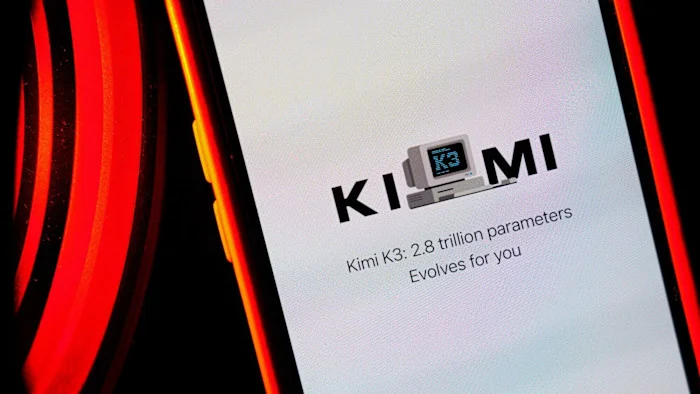
An opinion piece argues that the risk of Chinese open AI models like Kimi K3 hinges less on the country of origin than on who hosts and operates the model’s servers. Open weights can be downloaded and run domestically or via third‑party providers, so data risk depends on hosting location and infrastructure resilience; content restrictions differ by hosting—US infrastructure may allow questions blocked in China, while Chinese hosting could still encounter government access under legal regimes. The lack of a comprehensive US strategy for safeguarding critical infrastructure from AI-enabled attacks is a real concern, though open models’ transparency could aid security when properly managed. The piece calls for nuanced security protocols that transcend national borders rather than framing AI as a pure geopolitical arms race.
- What is the risk of using Chinese open AI models like Kimi K3? Financial Times
- From Silicon Valley to DC, the tech world is suddenly obsessed with one concept in AI: Distillation CNBC
- What is China’s Kimi K3 and why is the US so rattled by it? CNN
- Silicon Valley Splits Over Closing the Borders to Chinese A.I. The New York Times
- Cheaper, open and intelligent: Chinese AI models gain ground, as they make inroads in the US Yahoo Finance
Reading Insights
1
26
4 min
vs 6 min read
88%
1,019 → 125 words
Want the full story? Read the original article
Read on Financial Times