
Cluster of US Tech Failures Sparks Panic, but Experts Blame AI-Driven Chaos, Not Hackers
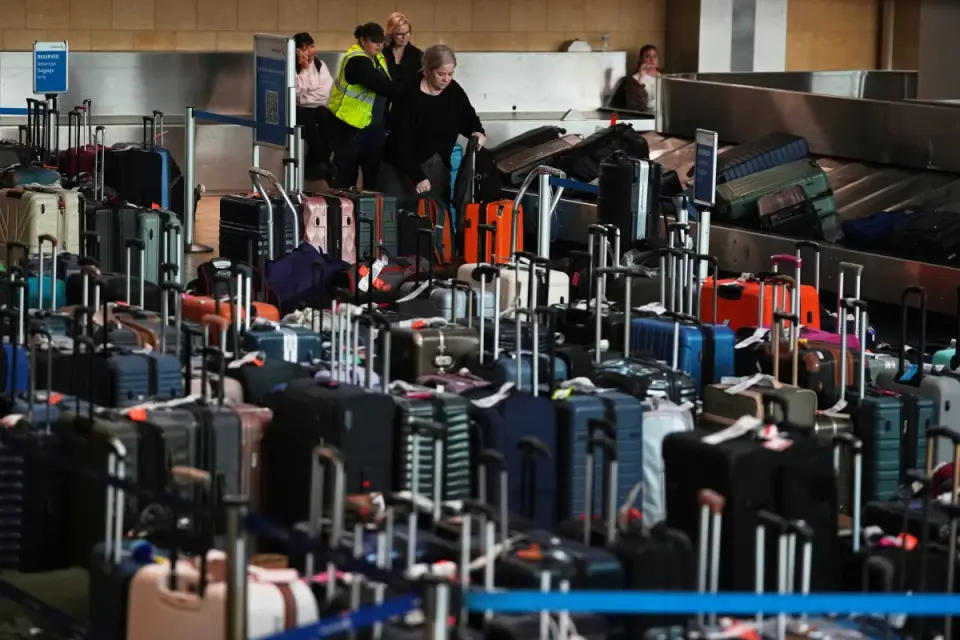
A cluster of major US technology failures this week, affecting Microsoft, the FAA, JPMorgan Chase, Apple, and the NSA, has triggered public anxiety and conspiracy theories. While officials deny coordinated cyberattacks, experts attribute the instability to rapid AI-driven software updates and complex cloud dependencies that outpace quality assurance testing.
Key points
- Microsoft 365 services, including Outlook and Teams, suffered a global outage late last week due to a latent defect in a network fix deployed over the summer.
- The FAA experienced its longest nationwide ground stop in 25 years, lasting over four hours, caused by a router upgrade by contractor L3Harris that disrupted 17 of 22 air traffic control centers.
- JPMorgan Chase reported transaction delays due to a software bug affecting internal hardware, causing jitters across the financial system, while Apple and Marriott also faced service disruptions.
- The NSA’s classified communication network went offline during scheduled maintenance, which DNI Jay Clayton linked to patching efforts following a recent PHP vulnerability alert.
- Cybersecurity experts and officials, including Cloudflare CEO Matthew Prince, state that the vast majority of such outages are accidental, with only about one in a thousand being caused by hackers.
Background
Recent archive coverage notes that the FAA outage has intensified debates over funding for modernizing aging air traffic control infrastructure, with President Trump calling the incidents 'individual events' and urging calm. Additionally, the cluster of failures has triggered a surge in emergency preparedness purchases, with Costco seeing an 11-12% rise in comparable sales and 21 of 26 high-ticket generators sold out. Earlier reports also highlighted public panic and doomsday preparations, despite official denials of coordinated attacks.
How outlets are covering it
AP News and The Atlantic emphasize the public’s fear that these clustered outages signal a new normal or a cyber collapse, noting the psychological impact of concurrent failures. WIRED and TribLIVE focus on the technical reality, arguing that AI tools are allowing companies to write and change code faster than they can test it, leading to more frequent bugs. Carnegie Mellon professor Claire Le Goues and cybersecurity expert Dennis Underwood highlight that AI coding tools increase code complexity and potential problems, while quality assurance processes have not adapted to the velocity of change. WIRED notes that most outages are self-inflicted, while The Atlantic suggests that in the absence of knowledge, people often attribute failures to feared narratives like AI apocalypse or state attacks. Democratic Sen. Mark Warner argues that AI is moving faster than the ability to manage its consequences, while the Trump administration maintains there is zero indication of malicious intent.
Why it matters
The cluster of outages exposes the fragility of modern digital infrastructure, which is increasingly dependent on complex, AI-driven systems. As AI tools accelerate software development, the risk of unintended consequences and cascading failures grows, potentially impacting essential services like banking, travel, and government communications. This highlights the need for robust testing and quality assurance in an era of rapid technological change.
What to watch
Experts expect a period of churn as AI tools plateau and more vulnerabilities are announced, but companies are likely to continue expanding AI coding use without matching investments in testing. Cybersecurity firms and government agencies will continue to monitor for signs of malicious activity, while public scrutiny will remain high as new outages may occur. The focus will shift to improving quality assurance processes and addressing the growing complexity of digital infrastructure.
- Tech outages are piling up, and AI is raising the stakes. Could this be the new normal? AP News
- A wave of outages has Americans preparing for doomsday The Washington Post
- Pittsburgh experts weigh in on nationwide tech outages, AI coding risks TribLIVE.com
- What on Earth Is Going On? The Atlantic
- How to Tell If It’s a Cyberattack or Just an Outage WIRED
Want the full story? Read the original reporting
Read on AP News