
Denver DA to Review Egg-Throwing Incidents Against Waymo Robotaxis
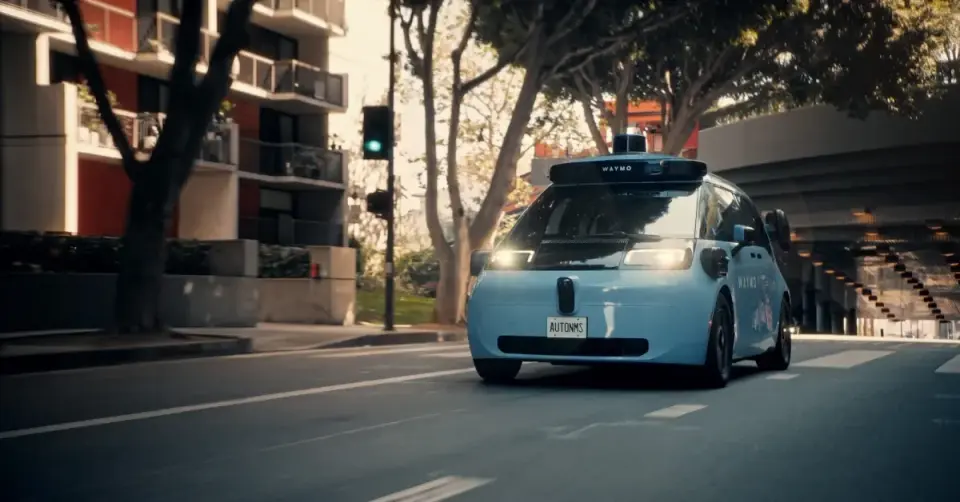
A man in Denver has repeatedly trapped Waymo's self-driving robotaxis with traffic cones and thrown eggs at them, resulting in at least 30 incidents. While the Denver District Attorney's Office initially declined to file criminal charges, citing a lack of permanent damage, they are now reviewing the case to find a legal mechanism to stop the behavior. Waymo has incurred approximately $2,000 in cleaning costs for the affected vehicles.
Key points
- An unidentified man has been accused of trapping Waymo robotaxis in Denver by placing orange traffic cones around them, preventing the vehicles from moving, and then throwing eggs at them.
- Waymo has recorded at least 30 such incidents, all believed to be committed by the same individual, who drives a silver Toyota Corolla leased from a Lyft fleet.
- The Denver District Attorney's Office initially declined to file criminal charges, deeming the incidents a civil matter due to the lack of permanent damage to the vehicles.
- Following media coverage, the DA's office stated they are now collecting evidence and coordinating with the city attorney to find a legal mechanism to stop the behavior.
- Waymo has incurred approximately $2,000 in cleaning costs for the affected vehicles, though no permanent damage was reported.
Background
Waymo launched its driverless service in Denver in September 2026, operating more than 100 vehicles across 60 square miles of the city. The company has faced other safety and vandalism issues recently, including a California DMV ban on its freeway operations in November 2026 after robotaxis entered active construction zones. In 2025, at least five Waymo vehicles were set on fire during protests in Los Angeles. The use of traffic cones to freeze autonomous vehicles is not new; San Francisco activists used a similar tactic in 2023.
How outlets are covering it
The New York Times and The Washington Post reported on the incidents and the DA's initial decision not to file charges, noting the lack of permanent damage. Denverite highlighted the legal ambiguity, questioning whether the incidents constitute a crime given the cleaning costs and the repeat nature of the behavior. Electrek emphasized the vulnerability of autonomous vehicles to such tactics, noting that the cars' cautionary design can be exploited by determined individuals. All sources agreed that the DA's office is now re-evaluating the case to find a legal mechanism to stop the behavior.
Why it matters
The incident highlights the legal and practical challenges of regulating autonomous vehicles in urban environments. The DA's initial reluctance to file charges, followed by a re-evaluation, underscores the difficulty in defining and prosecuting vandalism against technology that is designed to be overly cautious. It also raises questions about the potential for such tactics to disrupt autonomous vehicle services and the need for clear legal frameworks to address such issues.
What to watch
The Denver District Attorney's Office is expected to continue its review of the case and coordinate with the city attorney to determine the most appropriate legal mechanism to stop the egg-throwing incidents. Waymo has stated that it will continue to work with local law enforcement and support any enforcement actions deemed appropriate by officers. The company has also indicated that it will pursue civil remedies if necessary.
- Denver man traps Waymo robotaxis with cones, eggs them at least 30 times Electrek
- A Man in Denver Has Been Throwing Eggs at Waymo Vehicles The New York Times
- A Denver man is trapping and egging Waymo’s self-driving cars, police say The Washington Post
- Is Denver’s ponytailed Waymo avenger actually committing a crime? Denverite
- 1 man egging Waymo's robot rideshares around metro, police report says 9News
Want the full story? Read the original reporting
Read on Electrek