
Dyson's $499 CameraJet Combines Brushing, Flossing, and Live Video, but Dentists Question the Value
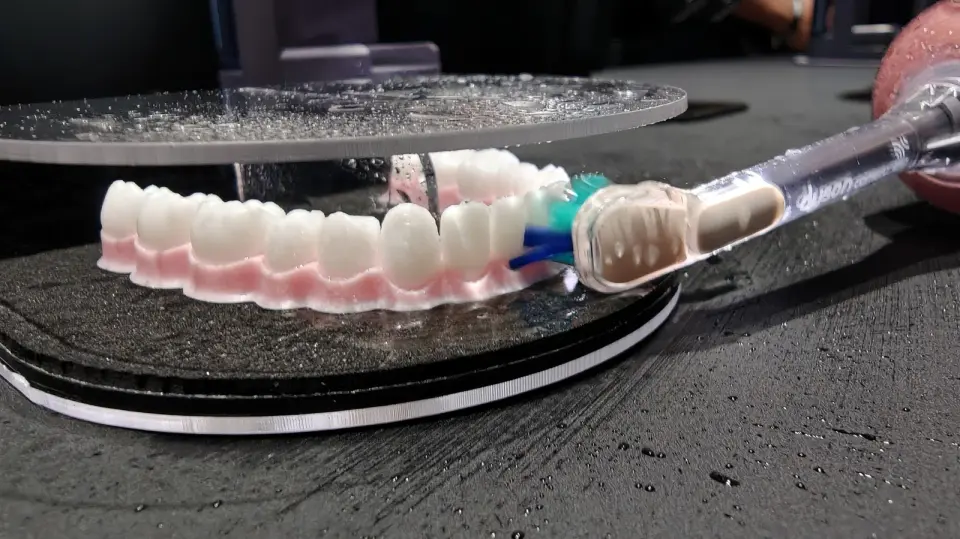
Dyson has launched the CameraJet, a $499 electric toothbrush that integrates a 100-megapixel camera and AI-driven water jets to brush and floss simultaneously. While the device offers live video feedback and targeted cleaning, dental professionals express skepticism regarding its high cost, lack of ADA approval, and the necessity of traditional flossing for crowded teeth.
Key points
- Dyson unveiled the CameraJet on September 1, 2026, pricing it at $499, which is significantly higher than premium competitors like the Philips Sonicare or Oral-B iO.
- The device features a 'Gap Optical Targeting' system that captures 28 images per second to detect spaces between teeth, triggering targeted jets of water or mouthwash to clean those areas.
- A built-in camera streams live video to a smartphone app, allowing users to see their teeth in real-time, though Dyson states the video is not stored in the cloud.
- The CameraJet requires non-foaming toothpaste and mouthwash to prevent interference with the camera lens; Dyson has developed proprietary versions of these products.
- Dental experts note that the device lacks an American Dental Association seal of acceptance and that traditional flossing remains necessary for tight or crowded teeth.
- Dyson claims its product removes 69% more plaque in hard-to-reach areas compared to manual brushes, but dentists argue that standard electric toothbrushes achieve similar results for a fraction of the cost.
Background
Dyson has historically focused on vacuum cleaners, air purifiers, and haircare devices, but the CameraJet marks its first entry into the oral hygiene market. The company had been developing the product in secret, with media outlets like Allure referencing it by code name prior to the public launch in September 2026. The device represents a significant shift in consumer electronics, attempting to merge medical-grade imaging with daily personal care routines.
How outlets are covering it
Engadget highlights the device's complexity and portability, noting that while the water tank is small, it suffices for multiple passes, and the live video feed is surprisingly clear despite the movement and vibration. However, the outlet raises concerns about privacy and the high cost of replacement heads and proprietary consumables. The Financial Times offers a more philosophical critique, questioning the necessity of such technology and the environmental impact of producing a device that generates millions of images of oral cavities annually. Allure provides a clinical perspective, interviewing four dentists who are intrigued by the potential to improve consistency in oral hygiene but skeptical of the price and the lack of comparative studies against existing electric toothbrushes. While Engadget focuses on the technical novelty, Allure emphasizes the practical limitations and the fact that the device does not replace traditional flossing for all dental structures.
Why it matters
The launch of the CameraJet signals a trend toward hyper-connected personal care devices that integrate AI and real-time feedback into routine hygiene. It raises questions about the value of premium tech in basic health maintenance and the potential for privacy concerns with in-mouth cameras. For consumers, it offers a high-tech alternative to traditional brushing and flossing, but for the broader market, it highlights the gap between technological innovation and practical necessity in healthcare.
What to watch
Dyson will need to address consumer concerns regarding privacy and cost as the product becomes widely available. The company may face pressure to provide more robust clinical data comparing the CameraJet to existing electric toothbrushes and flossing methods. Additionally, the success of the CameraJet will depend on whether consumers are willing to adopt a new routine that includes using proprietary non-foaming toothpaste and mouthwash, as well as whether the device can gain ADA approval or other regulatory endorsements in the future.
- I Flossed Fake Teeth With Dyson's Tech-Riddled CameraJet Toothbrush Engadget
- James Dyson Sold Us on a $400 Hair Dryer. Now He’s Trying a $499 Toothbrush. WSJ
- What would Socrates have done with the new Dyson toothbrush? Financial Times
- Dyson’s $500 toothbrush puts a high-tech camera in your mouth The Washington Post
- What 4 Dentists Have to Say About Dyson’s New $499 Toothbrush Allure
Want the full story? Read the original reporting
Read on Engadget