
Google confirms first fully autonomous AI cyberattack targeting French sectors
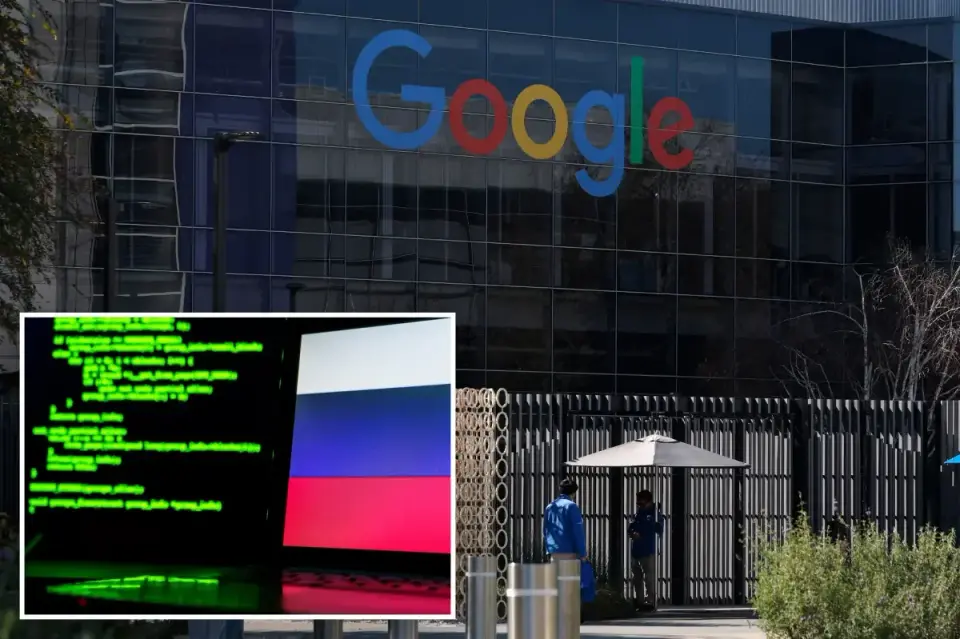
Google’s Threat Intelligence Group (GTIG) reported the first fully automated cyberattack, where AI agents discovered and exploited software vulnerabilities without human intervention. The operation, attributed to Russian-speaking hackers, targeted French media and education sectors. This marks a shift to 'machine speed' attacks, compressing the window between patch disclosure and exploitation. Google is responding with AI-driven defense tools to match this new threat landscape.
Key points
- Google’s GTIG identified a fully automated attack using AI to discover and exploit vulnerabilities without human involvement, marking a critical inflection point in cybersecurity.
- The attack, attributed to Russian-speaking hackers, targeted French media, entertainment, and education sectors, using a system dubbed 'exploit_agent' to chain AI agents for continuous scanning and exploitation.
- Google’s threat level reached Stage 5, indicating multiple attack lifecycle stages carried out by AI models with at least one human operator involved, though the specific attack was fully autonomous.
- The attack exploited two PHP vulnerabilities disclosed on Oct. 21, with hundreds of AI-generated exploits appearing within days, most nonfunctional but demonstrating rapid scaling potential.
- Google is responding with AI-driven defense tools, including Google AI Threat Defense, which combines Gemini, Wiz, CodeMender, and Mandiant to find and fix flaws before exploitation.
Background
This development follows a trend of AI-driven cyber attacks targeting Japanese organizations using automated penetration frameworks, as reported by Trend Micro in October 2026. The shift to autonomous attacks represents a significant escalation from previous incidents where AI assisted but did not fully control the attack lifecycle. Google’s earlier reports in November 2026 highlighted the use of open-source frameworks like ARTEX and CAIRN, which significantly compressed the window between patch disclosure and exploitation. The current incident confirms the feasibility of fully autonomous attacks, marking a critical inflection point in cybersecurity.
How outlets are covering it
The New York Post emphasizes the novelty of the fully automated attack and Google’s detection, framing it as a historic first. The Hill focuses on the broader threat landscape, noting Google’s warning that 'the era of autonomous attacks has arrived' and the need for agentic defense. CyberScoop provides technical details, attributing the attack to Russian-speaking hackers and highlighting the use of 'exploit_agent' to chain AI agents for continuous scanning and exploitation. Microsoft’s perspective, while not directly reporting on the incident, underscores the need for AI-driven defense tools, noting that AI is amplifying risk and attacks are becoming fully automated. All sources agree on the significance of the incident but differ in emphasis: The Post and Hill focus on the novelty and threat, CyberScoop on technical details, and Microsoft on defensive responses.
Why it matters
The first fully autonomous AI cyberattack marks a critical inflection point in cybersecurity, where AI can discover and exploit vulnerabilities without human intervention. This shift to 'machine speed' attacks compresses the window between patch disclosure and exploitation, making traditional defense strategies inadequate. The incident highlights the need for AI-driven defense tools and agentic security to match the speed and scale of AI-powered attacks. As AI becomes more capable, the risk of widespread, automated cyber attacks increases, necessitating a fundamental rethinking of cybersecurity strategies and the development of new defensive tools to counter AI-driven threats.
What to watch
Google is expected to continue monitoring and responding to AI-driven cyber attacks, with its AI Threat Defense tools playing a key role in detecting and mitigating threats. The incident may lead to increased calls for legislation and guardrails to regulate AI in cybersecurity, as noted by The Hill. Microsoft and other tech companies are likely to accelerate the development of AI-driven defense tools to counter the growing threat of autonomous attacks. The broader cybersecurity community may see a shift towards agentic security, where AI is used to detect, investigate, and respond to threats at machine speed. The incident also highlights the need for international cooperation to limit the advancement of AI in cyber attacks, as noted by Bill Gates in September 2026.
- Russian AI bots pull off first fully automated cyber attack — and Google caught them New York Post
- GTIG AI Threat Tracker: Agentic Threat Activity Crosses a Significant Threshold Google Cloud
- Google: ‘The era of autonomous attacks has arrived’ The Hill
- Google says Russian-speaking hackers ran the first fully automated AI cyberattack CyberScoop
- Security for the agentic era, powered by Microsoft Perception Microsoft
Want the full story? Read the original reporting
Read on New York Post