
Intel Acquires Israeli Quantum Software Firm Classiq in $2.2 Billion Deal
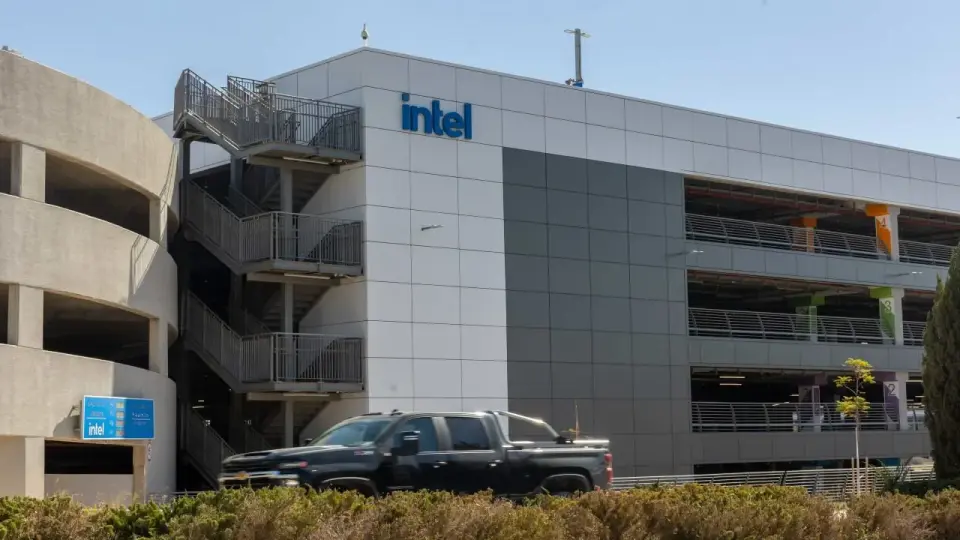
Intel has agreed to acquire Israeli quantum software startup Classiq for approximately $2.2 billion, marking its largest acquisition in Israel since the 2017 purchase of Mobileye. The deal aims to create a full-stack quantum computing provider by combining Intel’s silicon spin-qubit hardware with Classiq’s hardware-agnostic software platform. The transaction is expected to close in the first half of 2027, pending regulatory approvals.
Key points
- Intel signed a definitive agreement to acquire Classiq, an Israeli company specializing in quantum software that allows developers to build applications without deep circuit design expertise.
- Globes reported the acquisition price at $2.2 billion, making it Intel’s largest purchase in Israel since the $15.3 billion Mobileye deal in 2017, though official financial terms were not disclosed.
- The merger combines Intel’s silicon spin-qubit hardware and manufacturing capabilities with Classiq’s automated quantum algorithm synthesis platform to accelerate commercialization.
- Classiq’s technology is hardware-agnostic, designed to work across different quantum architectures, and the company has raised over $200 million to date, including a recent $135 million Series C round.
- Intel CEO Lip-Bu Tan stated the acquisition transforms the company’s Quantum Computing Group into a full-stack business, while Classiq CEO Nir Minerbi emphasized the move will make quantum computing more practical and accessible.
Background
This acquisition follows Intel’s long-standing investment in quantum computing since 2015, focusing on silicon-based spin qubits and cryogenic control electronics. The move aligns with broader trends in Israeli tech, where startups are increasingly bridging to global markets, as seen in recent venture capital activities. It also reflects the growing convergence of artificial intelligence and quantum technologies, a trend highlighted by Classiq’s leadership regarding hybrid efficiency improvements.
Why it matters
The acquisition signals a major shift in the quantum computing landscape, moving from experimental hardware to integrated, commercially viable solutions. By combining hardware and software capabilities, Intel aims to lower the barrier to entry for enterprises and developers, potentially accelerating the adoption of quantum technologies in fields like drug discovery and materials science. The deal also underscores Israel’s continued role as a hub for cutting-edge technological innovation.
What to watch
Intel expects to close the deal in the first half of 2027, subject to regulatory approvals and customary closing conditions. The company plans to maintain Classiq’s existing integrations with multiple quantum hardware platforms, preserving its hardware-agnostic software ecosystem. Investors, including Team8, have expressed confidence in the potential for global impact, while Classiq continues to focus on making quantum computing practical for broader industry use.
- intelligence bets on quantum with deal for Israeli software startup Classiq The Jerusalem Post
- Intel to Buy Quantum Startup Classiq for About $2.3 Billion Bloomberg.com
- Intel agreed to buy Israeli quantum software startup Classiq in quantum computing push Quartz
- Intel to Acquire Classiq to Create a Full-stack Quantum Computing Platform Business Wire
- Intel’s $2.3 billion Classiq deal follows years of personal investment by Lip-Bu Tan CTech
Want the full story? Read the original reporting
Read on The Jerusalem Post