
Intel Shares Crash 30% as Weak PC Outlook Triggers Worst Day Since 1974
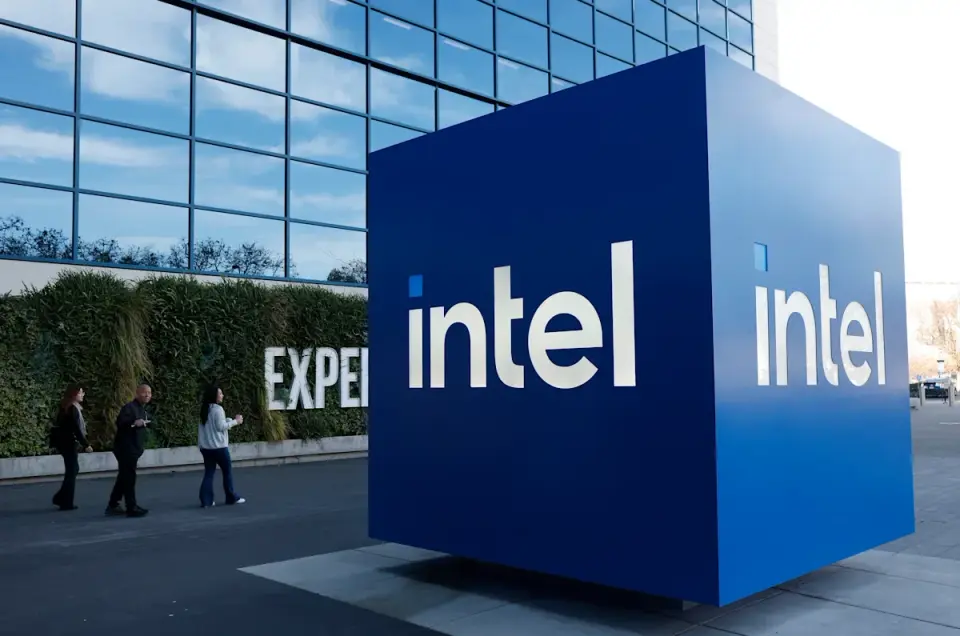
Intel shares plummeted nearly 30% on Friday, erasing over $100 billion in market value and heading toward its worst single-day performance since 1974. The sell-off was driven by a disappointing fourth-quarter outlook, despite the company reporting strong third-quarter results with adjusted earnings per share of $0.52 and data center revenue jumping 80% year-over-year to $7.3 billion. Investors reacted negatively to a forecast of $15 billion to $16 billion in fourth-quarter revenue, well below the $17 billion expected by analysts, and an earnings per share estimate of $0.25 against forecasts of $0.43. The decline reflects concerns over the PC market, where AI-driven memory chip shortages are raising costs and suppressing demand. Intel now expects PC shipments to drop 12% in 2026 and another 10% in 2027. Although the stock remains up 80% for the year, it has given back half its value since its June peak.
Key points
- Intel stock fell nearly 30% on Friday, potentially becoming the worst day in its history since 1974, erasing more than $100 billion in market value.
- The company reported strong third-quarter results, with adjusted earnings per share of $0.52 and data center revenue rising 80% year-over-year to $7.3 billion.
- The stock crash was triggered by a weak fourth-quarter outlook, with revenue guidance of $15 billion to $16 billion falling short of the $17 billion expected by analysts.
- Intel expects PC shipments to decline 12% in 2026 and 10% in 2027 due to rising memory chip costs driven by AI data center demand.
- An accident at Intel's Israel factory is expected to cost approximately $300 million in fourth-quarter revenue, further impacting the outlook.
- Bernstein analyst Stacy Rasgon cut his price target for Intel from $110 to $75, calling the outlook 'terrible.'
Background
This event follows a volatile year for Intel, where the stock nearly quadrupled from the start of 2026 to its June 22 record before giving back about half its value since that peak. The current decline breaks below the $80 support level that held through the summer, marking the lowest close since April 23. This downturn occurs amidst broader tech sector weakness, with peers like Dell and HP also sliding, and follows a period of significant market volatility, including a 24% gain the day after the April 23 low. The archive notes that Intel's data center business has grown significantly, but the current crisis highlights the fragility of the PC market due to AI-driven memory chip shortages.
Why it matters
Intel's sharp decline underscores the severe impact of AI-driven memory chip shortages on the broader PC market, signaling a potential downturn in consumer electronics demand. The event highlights the vulnerability of traditional tech giants to supply chain disruptions and pricing pressures, with implications for related companies like Dell and HP. The stock's worst day since 1974 marks a significant shift in market sentiment, reflecting investor concerns about the sustainability of Intel's growth and the multiyear nature of its recovery. This event also serves as a cautionary tale for other tech companies facing similar supply chain challenges and market uncertainties.
What to watch
Investors will closely monitor Intel's fourth-quarter performance, particularly its ability to navigate the PC market downturn and manage the impact of the Israel factory accident. The company's guidance suggests that the PC slump will persist until memory supply and prices normalize, which could take time. Analysts may adjust their price targets and forecasts in response to the weak outlook, with Bernstein already cutting its target to $75. Intel's CEO has emphasized a multiyear recovery plan, suggesting that the company will focus on long-term strategic initiatives to rebuild its market position. The broader tech sector may also face continued pressure as AI-driven memory shortages continue to impact costs and demand across the industry.
- Intel stock plunges nearly 30%, on pace for its worst day since 1974 Yahoo Finance
- Intel issued weaker-than-expected guidance. Analysts are losing confidence in the stock CNBC
- Intel’s Shares Plunge 20% as A.I. Hinders Some Parts of Its Business The New York Times
- Intel Plunges After PC Slump and Supply Snags Hurt Outlook Bloomberg
- Intel plunges 25%, triggers global chip rout on bleak outlook Reuters
Want the full story? Read the original reporting
Read on Yahoo Finance