
Internal Docs Reveal Microsoft and OpenAI Warned of AI 'Doom Loop' Destroying Media Supply Chain
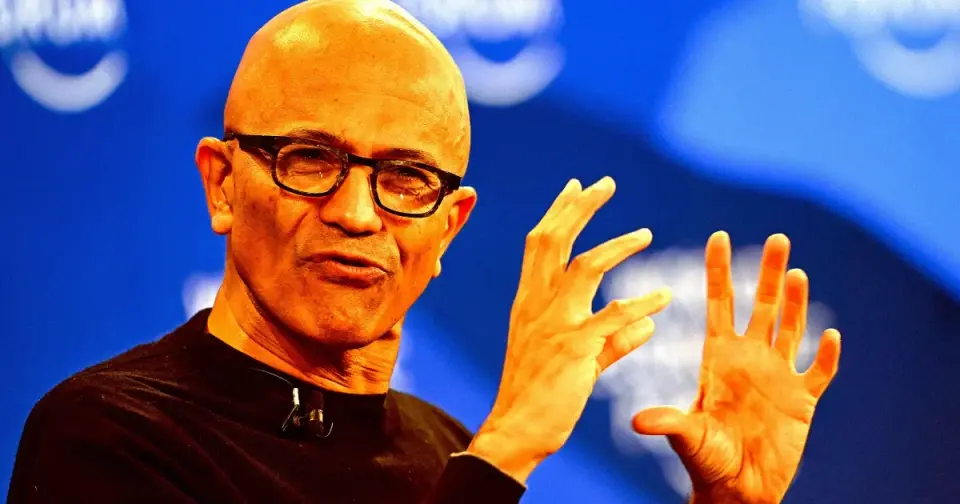
Newly unsealed court documents in the New York Times' lawsuit against OpenAI and Microsoft reveal that internal executives acknowledged their AI models were creating a 'doom loop' that destroys the media ecosystem. Microsoft director Brent Hecht described the practice as the 'largest theft of labor in human history,' while CEO Satya Nadella admitted AI chatbots have replaced the need to visit source websites. Although Microsoft has distanced itself from these comments, the filings highlight a systemic conflict where AI companies harvest content without compensation, potentially undermining their own data supply chains and the economic foundations of publishers.
Key points
- Microsoft director Brent Hecht stated in an internal document that AI content strategies have started a 'doom loop' that threatens the economic foundations of essential content suppliers.
- The New York Times' lawsuit argues that OpenAI and Microsoft illegally scraped copyrighted works to train large language models, with internal documents describing this as an 'astonishing theft.'
- Microsoft CEO Satya Nadella acknowledged that AI platforms have substituted for traditional web sources, reducing the need for users to visit original articles.
- OpenAI cofounder Greg Brockman was quoted approvingly of methods to bypass paywalls, while internal notes indicated GPT-4 was 'insanely good at regurgitation' of copyrighted material.
- Microsoft spokesperson Alex Haurek stated that Hecht's comments reflect an individual perspective and do not represent the company's legal position or views.
- The Department of Justice filed a statement of interest supporting OpenAI and Microsoft, arguing that training models on copyrighted works constitutes fair use, a move that surprised the U.S. Copyright Office.
Background
This development follows earlier coverage regarding unsealed filings that highlighted AI giants' warnings about harming the web and publisher referral traffic. The current reporting expands on those initial disclosures by detailing specific internal admissions from Microsoft and OpenAI leadership regarding the 'doom loop' and the 'largest theft of labor.' It also introduces new legal developments, including the Department of Justice's recent statement of interest in the case, which contrasts with the concerns raised by the Copyright Office and publishing industry leaders.
How outlets are covering it
Futurism and The Verge emphasize the damning nature of the internal admissions, particularly the 'doom loop' and 'theft of labor' quotes, framing them as evidence that AI companies knowingly harmed the media ecosystem. The New York Times provides the legal context, noting that Microsoft and OpenAI contend their actions were covered under 'fair use.' Axios highlights the political dimension, reporting that the Department of Justice's support for the AI firms surprised the U.S. Patent and Trademark Office and Copyright Office, suggesting a lack of coordination within the government. Microsoft, through spokesperson Alex Haurek, distances itself from the critical comments, labeling them as individual perspectives rather than official company positions, while acknowledging Nadella's broader observations about information consumption.
Why it matters
The unsealed documents provide direct evidence that major AI companies recognized the potential for their products to undermine the economic viability of the content creators they rely on for training data. This internal acknowledgment of a 'doom loop' challenges the 'fair use' defense and raises significant questions about the sustainability of AI models that depend on a healthy web ecosystem. The involvement of the Department of Justice and the surprise of the Copyright Office indicate that the legal and regulatory landscape for AI copyright is becoming increasingly polarized and politically influenced.
What to watch
The New York Times' lawsuit against OpenAI and Microsoft is expected to proceed, with the unsealed documents likely playing a central role in the legal arguments. The Department of Justice's statement of interest may influence the court's perspective on fair use, but the lack of coordination with the Copyright Office suggests ongoing internal government debate. Microsoft and OpenAI will likely continue to defend their actions under fair use, while publishers may use the internal admissions to argue that the AI companies' practices were knowingly harmful and not transformative.
- Microsoft Director Admitted in Internal Document That AI Is Creating a "Doom Loop" That Destroys the News Media by Stealing Its Content Without Providing Anything in Return, in Turn Making the AI Useless Futurism
- Microsoft and OpenAI Workers Worry About ‘Largest Theft of Labor’ in History The New York Times
- Scoop: DOJ's copyright filing took key agencies by surprise Axios
- Microsoft exec called AI scraping ‘the largest theft of labor in human history,' new unredacted filings reveal TechCrunch
- OpenAI and Microsoft knew they were starting a ‘doom loop’ for the web theverge.com
Want the full story? Read the original reporting
Read on Futurism