
Joby Aviation Completes First Fully Autonomous Cross-Country US Flight
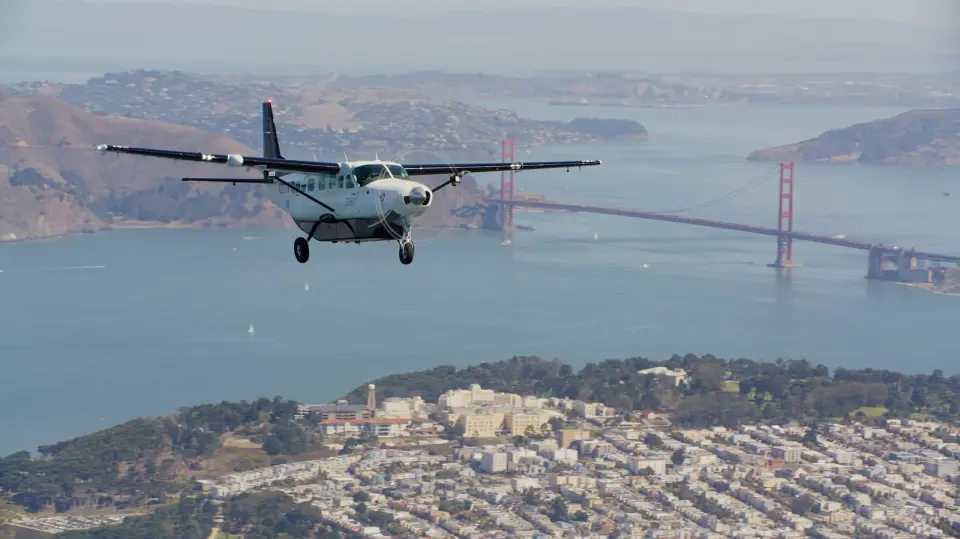
Joby Aviation successfully executed the first fully autonomous cross-country flight in the United States, covering 3,199 miles from California to North Carolina using a retrofitted Cessna Caravan. The aircraft operated without human control inputs for taxiing, takeoff, cruising, and landing, though a safety pilot remained onboard. The company aims to expand this technology beyond urban air taxis into commercial freight, emergency response, and defense logistics.
Key points
- The flight began at Buchanan Field Airport in California and concluded at Dare County Regional Airport in Outer Banks, North Carolina, on September 14, 2026.
- The aircraft, a converted Cessna Caravan, was remotely supervised from Joby’s headquarters in California and Shaw Air Force Base in South Carolina.
- The autonomous system handled all flight phases, including navigating dense air traffic over Phoenix and rerouting around severe weather.
- Joby plans a return trip to California with stops in Raleigh, Salt Lake City, Portland, and other cities.
- The company emphasizes applications for connecting remote communities, disaster response, and military operations.
Background
This achievement builds on Joby’s earlier electric air taxi demonstrations in New York City, which began in April 2026. The company has been positioning itself for broader commercial and defense applications, moving beyond its initial focus on urban passenger transport. Recent industry developments, including autonomous drone incidents in conflict zones and cyberattacks, highlight the growing integration of AI in critical infrastructure, though Joby’s focus remains on civilian and logistical aviation.
How outlets are covering it
Engadget highlights the technical milestone of the first autonomous cross-country flight and its potential to expand Joby’s business model beyond city commutes. Popular Science provides additional operational details, noting that the flight began on September 7 and included a symbolic low pass near the First Flight Monument in Kitty Hawk, North Carolina. Both sources agree on the distance and the lack of human control inputs, but Popular Science emphasizes the real-time navigation challenges, such as avoiding thunderstorms and busy airspace, while Engadget focuses on the strategic implications for freight and defense. Barchart.com provided no usable content due to a server error.
Why it matters
This flight demonstrates the viability of fully autonomous aviation for long-distance travel, potentially reducing reliance on human pilots for routine logistics and emergency missions. It could accelerate the adoption of autonomous systems in commercial and military sectors, addressing labor shortages and improving response times in disaster scenarios. For Joby, it diversifies its revenue streams beyond urban air taxis, aligning with its long-term growth strategy.
What to watch
Joby will conduct a return flight to California, including stops in Washington, D.C., Kentucky, Kansas, Oklahoma, Utah, and Oregon. The company plans to launch its electric air taxis to the public later in 2026 and continue integrating autonomous technology into existing aircraft for broader applications.
- Joby Aviation Completed A Fully Autonomous Flight From California To North Carolina Engadget
- Aircraft makes first cross-country autonomous flight, from Bay Area to North Carolina San Francisco Chronicle
- JOBY Stock Alert: What to Know as Joby Aviation Completes Cross Country Flight Barchart.com
- Autonomous airplane completes first cross-country flight Popular Science
- Joby Says it Completed First Fully Autonomous Flight Across the U.S. wsj.com
Want the full story? Read the original reporting
Read on Engadget