
Meta Smart Glasses Spark Global Backlash Over Covert Surveillance and 'Joybait' Content
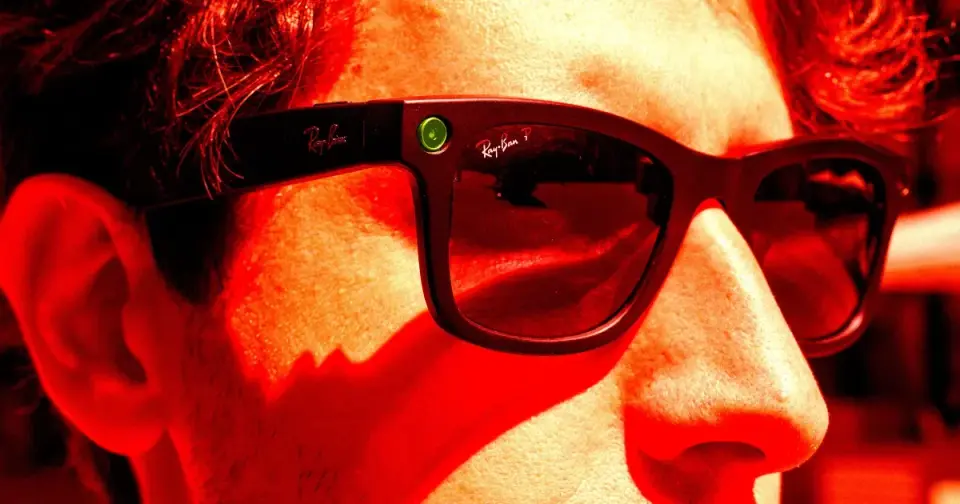
Meta’s AI-integrated smart glasses are facing intense scrutiny for enabling covert surveillance, harassment, and manipulative content. While the device has sold over 7 million units, critics and regulators warn that its discreet recording capabilities violate privacy norms, particularly in dating and public spaces. Legal actions and regulatory warnings are emerging globally as the technology blurs the line between casual recording and invasive monitoring.
Key points
- Meta sold over 7 million pairs of Ray-Bans in 2025, but the device is now nicknamed 'creep glasses' due to misuse.
- Influencers are using the glasses to create 'joybait' content, where they identify strangers via facial recognition and stage fake positive interactions for views.
- Dating culture is impacted as users report being filmed without consent, leading to a loss of trust and potential legal consequences.
- Regulators in the UK, Australia, and California are pushing for stricter laws, including mandatory visible recording indicators and automatic face blurring.
- Meta faces class-action lawsuits over alleged unauthorized data collection and biometric tracking, though the company denies building a universal face database.
Background
This controversy follows earlier reports in August 2026 regarding Meta’s patent for glasses with facial recognition and auto-highlight features, which raised initial privacy concerns. The current backlash escalates those fears, moving from theoretical risks to documented instances of harassment and legal challenges.
How outlets are covering it
Futurism highlights the ethical decay of 'joybait' content, arguing that monetizing kindness through surveillance destroys public privacy. WIRED focuses on the personal and relational damage, noting that covert filming on dates violates trust and consent, with some users calling it an instant red flag. BBC and Yahoo emphasize the regulatory response, with data protection authorities in the Isle of Man, Jersey, and Guernsey warning of 'considerable privacy risks,' while California and Australia propose technical mandates to prevent surreptitious recording. Meta maintains that it is combating misuse and has not shipped a universal face database, but critics argue the hardware itself facilitates the harm.
Why it matters
The widespread adoption of smart glasses challenges existing privacy norms in public and private spaces. If not regulated, the technology could normalize non-consensual surveillance, eroding trust in social interactions and potentially leading to a society where personal anonymity is lost. The legal and regulatory pushback signals a shift toward stricter enforcement of digital privacy rights.
What to watch
Regulators in California and Australia are expected to implement new rules requiring visible recording indicators and automatic face blurring. Meta may face further legal challenges over data collection practices, and public awareness campaigns are likely to increase as the company attempts to mitigate negative perceptions.
- Influencers Are Using Meta's AI-Glasses to Film Manipulative Feel-Good Slop of People in Public Futurism
- France probes misuse of smart glasses in sexual harassment cases Reuters
- ‘I Felt Super Violated’: Men Wearing Meta Glasses on Dates Is an Instant Red Flag WIRED
- Paris prosecutors probe use of smart glasses to harass and record Yahoo
- Guernsey, Jersey and Isle of Man issue smart glasses warning bbc.com
Want the full story? Read the original reporting
Read on Futurism