
Meta, Sierra, and Retail Giants Launch Open Standard for AI Agent Commerce
Meta and Sierra have announced the Personal Agent Protocol, an open standard designed to regulate how AI agents interact with businesses. The initiative aims to resolve authentication and security issues as consumer AI agents like Meta's Muse gain popularity. Major partners include Walmart, Stripe, and Shopify, though OpenAI and Anthropic have not yet joined.
Key points
- Meta, Sierra, and partners like Walmart and Stripe are developing the Personal Agent Protocol to standardize AI agent interactions with businesses.
- The protocol uses OAuth for authentication, allowing consumers to grant read-only or write access to their agents.
- Sierra plans to publish a v0.1 specification later in October 2026, followed by design workshops and a reference implementation.
- Meta's Muse agent, which launched in September 2026, has millions of U.S. users and is currently blocked by Amazon due to scraping concerns.
- The initiative includes partners from contact center and e-commerce sectors, such as Genesys, NiCE, Shopify, and Rocket Companies.
Background
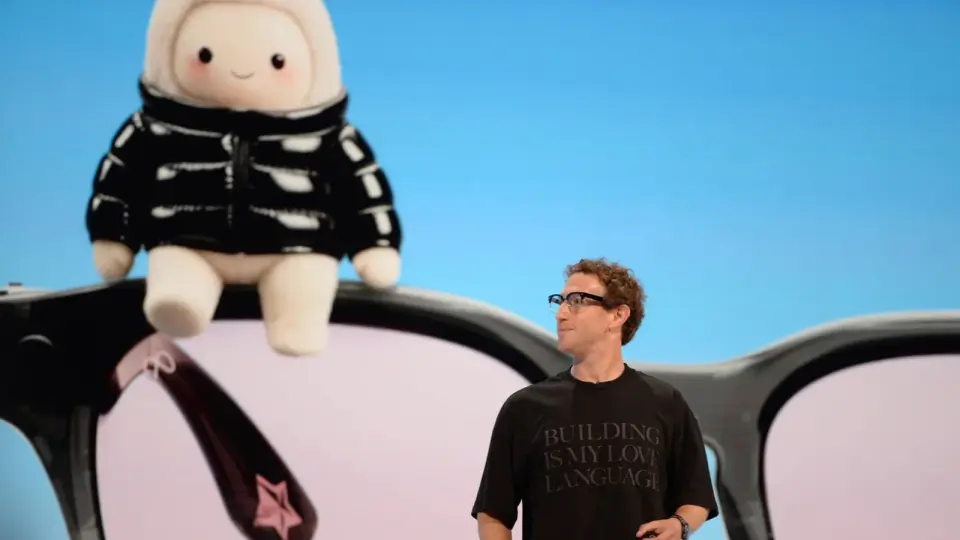
Meta launched its Muse personal AI agent in early September 2026, quickly becoming a viral sensation and topping Apple's App Store. This followed Meta's broader AI hardware expansion, including the Muse Charm keychain device and new smart glasses. The company had also integrated Meta AI into Apple CarPlay as a fourth-party chatbot. These moves signaled a strategic push to position Muse as a ubiquitous personal assistant, leading to significant stock gains and analyst optimism regarding a new product cycle.
How outlets are covering it
CNBC highlights the 'chaos' of current AI interactions, with Bret Taylor of Sierra emphasizing the need for clear standards to distinguish personal agents from random bots. Meta frames the protocol as essential for businesses to recognize customers behind agents, comparing it to the universal adoption of email. CMSWire notes a discrepancy in partner lists between Meta and Sierra, with Meta including NiCE and Decagon while Sierra lists Instinct. CMSWire also points out that contact center vendors like Genesys and NiCE are positioning themselves as orchestration layers, raising questions about vendor neutrality in the standard. Sierra emphasizes consumer control and security, while Meta focuses on the efficiency of direct agent-to-business communication.
Why it matters
The Personal Agent Protocol addresses critical security and authentication gaps as AI agents become integral to consumer tasks like shopping and scheduling. It provides a framework for businesses to verify agent identity and control access, potentially reducing friction and enhancing trust in AI-driven transactions. The standard could reshape enterprise customer service and e-commerce by enabling seamless, secure interactions between personal and business agents.
What to watch
Sierra plans to publish the v0.1 specification of the Personal Agent Protocol later in October 2026. This will be followed by design workshops with interested parties and the release of a reference implementation to assist developers. Future iterations may include finer-grained permissions, push notifications for events like flight delays, and payment extensions that allow agents to complete purchases without sharing credit card details.
- Meta joins with group of companies to tame ‘chaos’ of doing business with AI bots CNBC
- Introducing Personal Agent Protocol Sierra AI Agents
- Meta, Walmart, Stripe launch open standard for AI agents Quartz
- Genesys Joins Sierra, Meta on Open Standard for Personal AI Agents CMSWire
- Meta, Walmart and Stripe publish open standard for AI agents news.lavx.hu
Want the full story? Read the original reporting
Read on CNBC