
Meta’s Cuddly AI Agent Muse Sparks Debate Over Privacy and Child Appeal
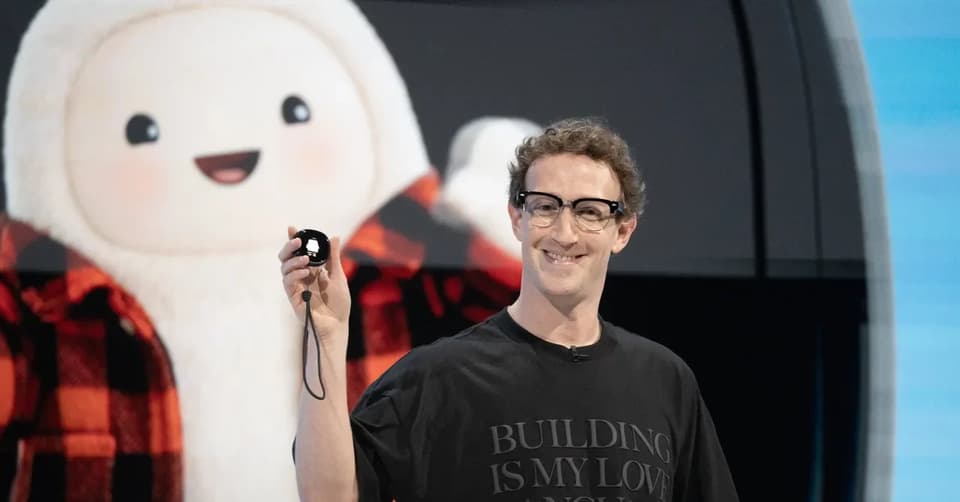
Meta launched Muse, an AI agent restricted to adults but designed with a cute, toy-like mascot named Jolly. While the tool offers robust financial and task management features, critics argue its child-friendly aesthetic lowers user guard, raising privacy concerns. Meta defends the design as a way to make AI less intimidating, while experts warn that cuteness can mask surveillance risks.
Key points
- Meta’s Muse AI agent is restricted to users 18 and older but features a customizable, cuddly mascot named Jolly that resembles a children’s toy.
- The agent can manage finances, negotiate bills, and handle daily tasks, with a new physical 'Muse Charm' device launching soon.
- Critics argue the cute design lowers user skepticism, potentially leading to excessive data sharing, while Meta claims it makes AI more approachable.
- Meta plans to release a 'Confidential VM' later in 2026 to prevent the company from accessing user data, though current versions train on user interactions by default.
Background
Meta introduced Muse at its Connect event, positioning it as a personal superintelligence for everyday tasks. Previous coverage noted concerns about Muse’s access to notifications and its integration with social media handles. The company has also faced disputes with Amazon over AI shopping access and is expanding into hardware with smart glasses and VR headsets.
How outlets are covering it
WIRED and The Verge emphasize the ethical risks of using cute mascots to disarm users, noting that the design may appeal to children despite age restrictions. Yahoo Finance focuses on the practical financial capabilities of Muse, such as budgeting and bill negotiation, while highlighting security concerns from experts. NBC News reports on the mixed public reaction, with some users embracing the novelty and others expressing skepticism about data privacy. Meta defends the design as a way to make AI less intimidating, while youth advocates warn against the potential for child exploitation.
Why it matters
The debate over Muse highlights the tension between user-friendly design and privacy in AI. As AI agents become more integrated into daily life, the use of cute mascots may influence how users engage with technology, potentially reducing critical scrutiny of data practices. This could set a precedent for future AI products and raise regulatory concerns about child safety and data protection.
What to watch
Meta plans to release a 'Confidential VM' later in 2026 to enhance privacy, and the Muse Charm device is expected to launch by December. The company will also expand Muse’s integration with smart glasses and VR headsets, while facing ongoing scrutiny from regulators and privacy advocates.
- Meta’s Muse Is Adults-Only. Why Does It Look Like a Kids’ Toy? WIRED
- Meta’s Muse wants to help manage your money. Here’s how it works. Yahoo Finance
- It’s cute. It’s cuddly. And it wants your data. NBC News
- It’s sinister that Meta’s Muse AI mascot is so cute The Verge
- People Are Turning To AI Agents Muse And Instinct To Save Them Thousands Of Dollars Forbes
Want the full story? Read the original reporting
Read on WIRED