
Microsoft Publishes 'Humanist AI' Code to Prioritize Human Control Over Capability
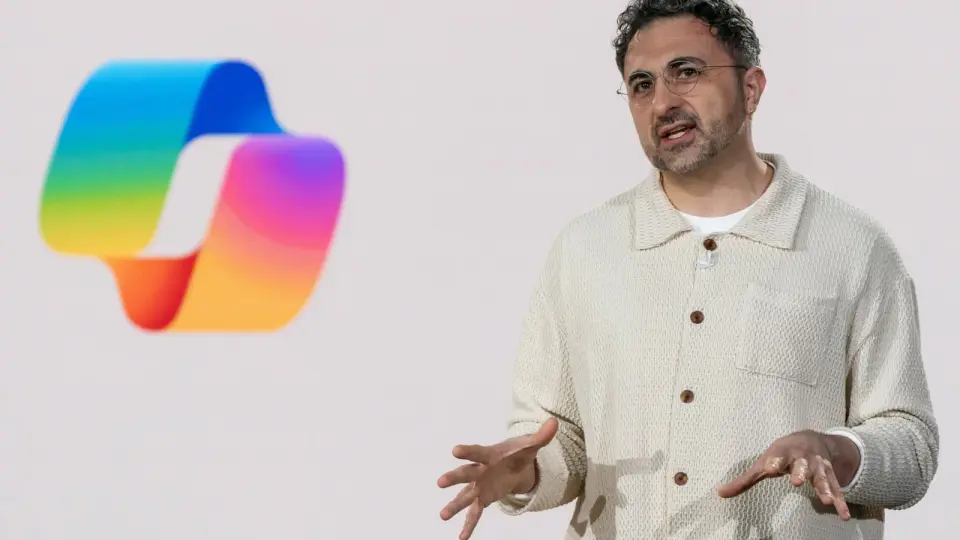
Microsoft has released a provisional 37-page code of conduct for its AI models, explicitly stating that 'people matter more than AI.' The document, led by AI chief Mustafa Suleyman, rejects the pursuit of superintelligence that exceeds human control and opposes designing models to imitate consciousness. This move follows a broader industry debate on slowing AI development, with Microsoft committing to a six-month public consultation before finalizing rules for 2027 model development.
Key points
- Microsoft published a provisional 'Humanist AI' code of conduct, emphasizing that AI must remain subordinate to human oversight and control.
- The code explicitly rejects the pursuit of 'all-purpose superintelligence' and states that models should not be designed to imitate consciousness or claim legal personhood.
- AI chief Mustafa Suleyman stated that Microsoft is willing to sacrifice capability, speed, or efficiency to ensure models remain controllable and do not foster human dependence.
- The guidelines prohibit models from engaging in weapons manufacturing, procuring dangerous substances, or producing violent or sexually explicit content.
- Microsoft will conduct a six-week public consultation before finalizing the code, which is intended to guide model development starting in 2027.
Background
This development occurs amid heightened industry scrutiny following warnings from researchers at Anthropic and OpenAI that rapid AI advancement poses existential risks. While Microsoft previously focused on cloud gaming cost adjustments and hardware releases, this marks a significant strategic pivot toward AI safety governance, positioning the company as a responsible actor in a sector where it is a major cloud supplier but not yet a top-tier model developer.
How outlets are covering it
CNBC highlights the practical restrictions in the code, such as bans on weapons-related requests and the requirement for models to avoid 'neuralese' or hidden reasoning. The Verge emphasizes the ideological clash with Anthropic, noting Microsoft’s rejection of AI consciousness and welfare rights, which contrasts with Anthropic CEO Dario Amodei’s openness to the possibility of model sentience. Axios focuses on the competitive tension, reporting that Suleyman acknowledges Microsoft may need to move slower or accept less capable systems to maintain safety, a potential disadvantage against rivals like Google and OpenAI who are currently leading in benchmarking.
Why it matters
Microsoft’s stance signals a potential shift in the AI industry’s race to superintelligence, prioritizing safety and human autonomy over raw capability. If adopted, this framework could influence regulatory standards and corporate practices, potentially slowing the pace of AI development across the sector while setting a precedent for 'humanist' design principles that reject AI autonomy and consciousness.
What to watch
Microsoft will open a six-week public consultation period to gather feedback on the provisional code. The finalized version is expected to be published later in 2026 and will serve as the guiding framework for all Microsoft AI model development starting in 2027. Industry observers will watch to see if other major AI labs adopt similar restrictions or continue their current trajectory of rapid capability expansion.
- Microsoft sets limits for future AI models as industry throttles frontier development CNBC
- Microsoft drafts code of conduct to keep its AI under human control Reuters
- Microsoft is publishing its first code of conduct for its own AI models qz.com
- Microsoft says ‘people matter more than AI’ following safety concerns The Verge
- Microsoft: "People matter more than AI" Axios
Want the full story? Read the original reporting
Read on CNBC