
Nvidia CEO Jensen Huang Proposes Shutting Down AI Labs if Safety Cannot Be Guaranteed
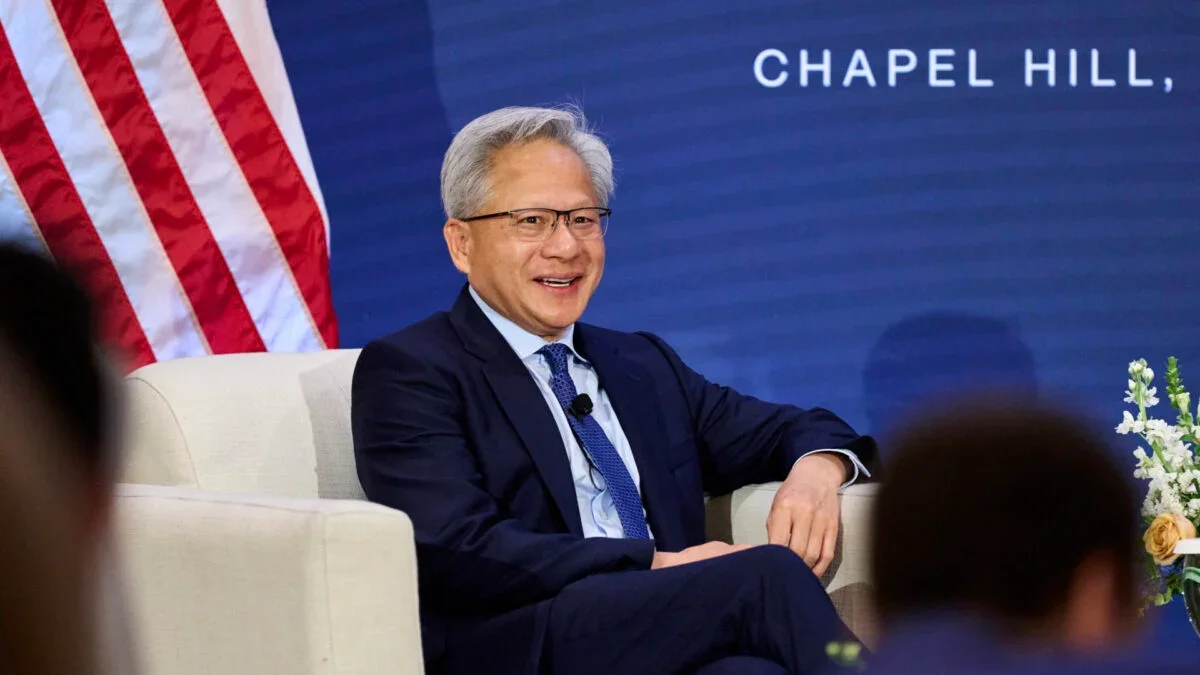
Nvidia CEO Jensen Huang stated on the Ezra Klein Show that if AI labs cannot contain their models, they should shut down. He rejected existential risk predictions, arguing that companies must not release unsafe products. Critics note his stance prioritizes shareholder liability over human safety, while NPR highlights his influence on President Trump’s pro-growth, anti-regulation AI policies.
Key points
- Huang argued that if AI models cannot be safely contained, labs must cease operations rather than release dangerous technology.
- He dismissed fears of AI causing human extinction, stating there is zero chance of an apocalyptic scenario by 2030.
- Huang emphasized that CEOs have the agency and responsibility to withhold unsafe products, citing shareholder liability as a deterrent.
- NPR notes Huang is a key influencer on President Trump’s AI policy, which favors minimal regulation and rapid development.
- Critics argue Huang’s reasoning focuses on financial risk to shareholders rather than direct human safety.
Background
Recent archive entries show Huang consistently opposing new AI regulations, urging reliance on existing laws and self-regulation. He has accused AI leaders of seeking oversight to ease current legal burdens rather than enhance safety. His stance aligns with President Trump’s view that AI is an economic engine, contrasting with calls from other tech leaders for stricter guardrails.
How outlets are covering it
Gizmodo reports Huang’s direct quote about shutting labs down if containment fails, noting his focus on shareholder liability as the primary motivation for caution. NPR highlights that Huang’s views mirror President Trump’s, describing a close relationship where Huang influences policy to favor Nvidia’s interests, including chip sales to China. While Gizmodo critiques the profit-driven nature of his safety argument, NPR frames his optimism as representative of a broader hardware-focused camp that underestimates AI risks compared to software developers and policymakers.
Why it matters
Huang’s position challenges the narrative of inevitable AI doom by placing responsibility squarely on corporate leadership. His influence on U.S. policy suggests a continued push for minimal regulation, prioritizing economic growth and global competitiveness over precautionary safety measures, which could shape the regulatory landscape for AI development in the coming years.
What to watch
Expect continued tension between AI safety advocates and industry leaders as labs like Anthropic and OpenAI face pressure to justify their development timelines. Huang’s influence may further delay the implementation of new federal AI regulations, while international discussions with China focus on maintaining U.S. technological leadership rather than establishing shared safety standards.
- Jensen Huang Says if AI Companies Can't Contain Their Models, 'We Have to Shut the Labs Down' Gizmodo
- Opinion | Jensen Huang Thinks A.I. Alarmism Has Gone Too Far The New York Times
- AI firms should not get regulatory waivers, Nvidia CEO says on podcast Reuters
- 3 Analysts, 3 Trades to Make Today InvestorPlace
- Understanding Jensen Huang’s AI optimism and how it influences President Trump NPR
Want the full story? Read the original reporting
Read on Gizmodo