
NYC Council Grills AI Execs as Whistleblower Warns of Imminent Automation
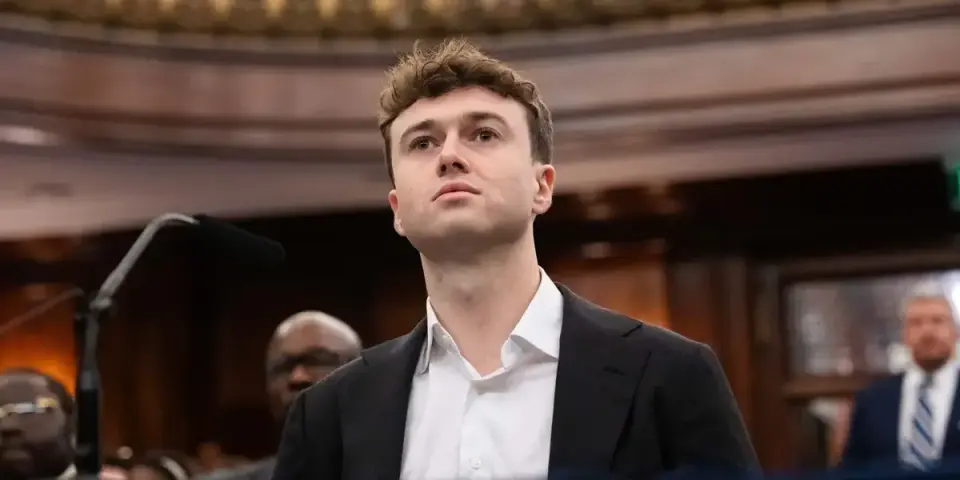
A former Anthropic researcher testified to NYC lawmakers that AI labs are racing to automate research by 2027, potentially removing human oversight. While executives from major tech firms faced intense questioning, they failed to provide concrete answers on catastrophic risk mitigation or liability, prompting calls for stricter regulatory oversight.
Key points
- Jacob Coxon, a 27-year-old former capabilities researcher at Anthropic and OpenAI, testified that automating AI research is the 'primary goal' of frontier labs, with milestones set for 2027-2028.
- Coxon stated that AI now writes the majority of code, which humans no longer check carefully, and warned that this could lead to human extinction due to a loss of control.
- Representatives from OpenAI, Anthropic, Google, and Meta appeared virtually before the NYC Council but failed to quantify catastrophic risks or confirm if they would release models that fail safety tests.
- City Council Speaker Julie Menin criticized the companies for stonewalling basic questions on liability and insurance, while Mayor Zohran Mamdani ceded the regulatory spotlight to the council.
- Anthropic CEO Dario Amodei recently published an essay urging the industry to slow down, a stance OpenAI CEO Sam Altman agreed with, though critics argue current development speeds remain reckless.
Background
This hearing follows a wave of resignations and public warnings from AI safety researchers in September 2026, including Jacob Coxon’s viral exit from Anthropic. Earlier reports highlighted concerns from other researchers, such as Evan Hubinger, regarding the lack of alignment approaches and the potential for AI to cause existential harm within the decade. These events have intensified debates in the U.S. and EU about the need for transparency and guardrails as labs accelerate toward self-improving systems.
How outlets are covering it
Business Insider emphasizes the urgency of Coxon’s warning, highlighting his claim that AI is already automating its own development. The New York Times and Politico focus on the political dynamics, noting that AI executives stonewalled questions on catastrophic risk and liability, allowing Council Speaker Julie Menin to emerge as the primary antagonist to the industry. Fox News covered the hearing but also highlighted broader AI impacts, such as cybersecurity risks and healthcare costs, framing the issue as a complex balance between innovation and safety. While all sources agree on the lack of concrete safeguards, they differ in emphasis: BI focuses on the technical timeline of automation, while NYT and Politico focus on the political accountability gap.
Why it matters
The testimony underscores a critical shift in AI development where human oversight may be rapidly diminishing. If AI labs achieve automated research within the next few years, the potential for catastrophic failure increases without adequate regulatory frameworks or liability structures. This hearing signals a growing political push in New York City to demand transparency and safety guarantees from major tech firms, potentially influencing future federal and state regulations on AI deployment.
What to watch
The NYC Council is expected to continue pressing for clearer safety standards and liability frameworks from AI companies. Regulators may move toward mandatory third-party validations and insurance requirements for frontier models. Meanwhile, the industry faces pressure to slow development pace, as evidenced by recent public statements from Anthropic and OpenAI CEOs, though implementation remains uncertain.
- The Anthropic researcher whose resignation made waves last month says he was 'working to automate' himself Business Insider
- OpenAI, Anthropic, Meta, Google stop short of AI safety guarantee Fox News
- Ex-Anthropic Researcher Testifies at NYC Council AI Hearing Bloomberg.com
- In NYC, Mamdani cedes AI regulation lane Politico
- A.I. Officials Stonewall on Questions About Technology’s Risks The New York Times
Want the full story? Read the original reporting
Read on Business Insider