
Tech Giants Turn to Nuclear Uprates to Meet AI Power Demand
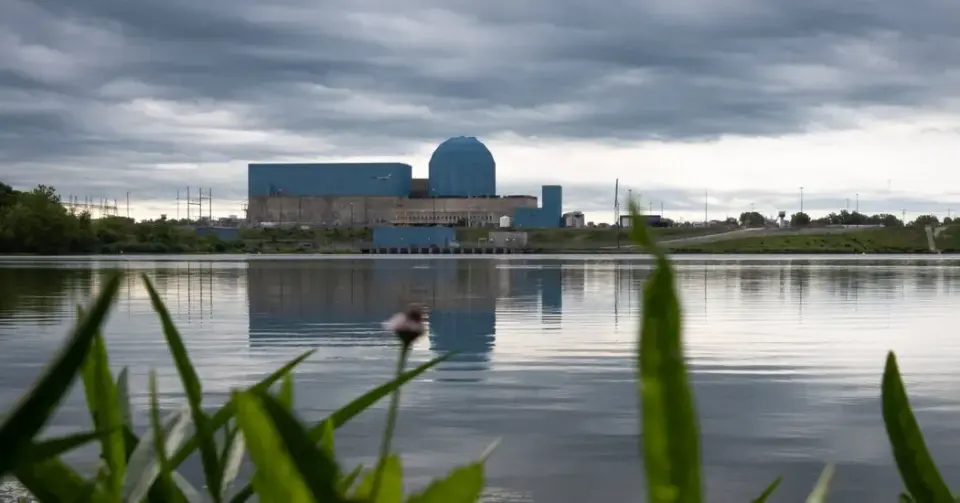
Facing surging power demand from AI data centers, U.S. tech companies are funding upgrades to existing nuclear plants rather than waiting for new construction. Constellation Energy and Google announced a deal to add 890 megawatts of capacity through 'power uprates' at 11 reactors, a process that is faster and cheaper than building new plants. This strategy aims to add up to 8,000 megawatts to U.S. grids by the mid-2030s, addressing critical shortages in the PJM Interconnection grid.
Key points
- Constellation Energy will spend over $4.3 billion to refurbish 11 reactors across six plants in Illinois, Pennsylvania, and New Jersey.
- The upgrades, known as power uprates, involve modernizing turbines, steam generators, and control systems to increase output.
- Google and Constellation signed a 15-year energy supply agreement for an additional 2,700 megawatts to ensure revenue certainty.
- The first uprate is expected to be delivered by 2028, adding 890 megawatts of carbon-free capacity to the PJM grid.
- Analysts estimate that economically justified uprates could add 4 to 8 gigawatts of new nuclear power by the mid-2030s.
Background
This development follows a similar 20-year deal between Amazon and Constellation Energy announced in early October 2026, which secured 690 megawatts from the Calvert Cliffs plant in Maryland. The broader trend reflects a shift in the energy sector toward maximizing existing infrastructure due to the high costs and long timelines associated with building new nuclear facilities or small modular reactors.
How outlets are covering it
The New York Times highlights the strategic shift toward uprates as a faster alternative to new construction, noting that tech giants are eager to fund these upgrades. Constellation Energy emphasizes the economic and community benefits, including the creation of approximately 7,200 new construction jobs and the preservation of 4,400 existing jobs. CNBC points out that this approach is favored by the tech sector because it provides reliable, carbon-free power for data centers while avoiding the unproven commercial scale of small modular reactors. Evercore ISI analysts note that these deals are positive for other independent power producers and uranium enrichers, as they signal increased demand for nuclear fuel and capacity.
Why it matters
The surge in AI-driven electricity demand is straining existing grids, particularly the PJM Interconnection, which serves 65 million people. Uprates offer a near-term solution to bridge the gap between current supply and future demand, potentially stabilizing power costs and ensuring grid resilience without the multi-year delays of new plant construction.
What to watch
The first uprate under the Google-Constellation deal is expected to be delivered by 2028. The companies have also agreed to a strategic framework to explore new clean generation, storage, and demand response opportunities across the United States. Further uprates are anticipated as other tech companies seek to secure power for their data centers, with the industry aiming to add significant capacity by the mid-2030s.
- Energy Firms Try to Squeeze More Power Out of Old Nuclear Plants The New York Times
- Google and Constellation Announce Landmark Agreement to Bring 890 MW of New Nuclear Capacity to PJM Grid as Part of Long-Term Power Deal www.constellationenergy.com
- Google signs 20-year nuclear deal with Constellation Energy to power AI build-out Yahoo Finance
- Google squeezes more power from existing nuclear plants in Constellation deal. These stocks benefit CNBC
- Google enters massive 3.6-GW power deal with Constellation Energy Reuters
Want the full story? Read the original reporting
Read on The New York Times