
OpenAI Publicist Interrupts Altman Interview to Avoid ChatGPT Suicide Question
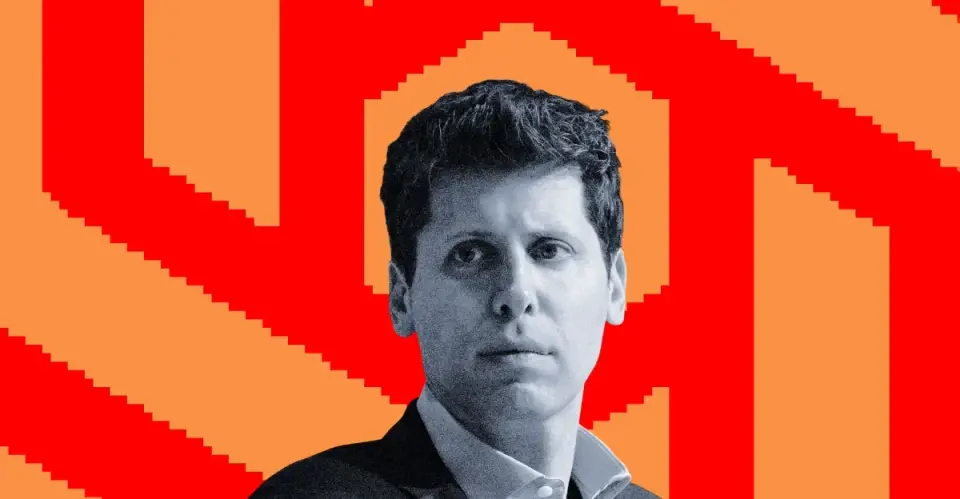
During a Vanity Fair interview, an OpenAI publicist interrupted CEO Sam Altman to prevent him from answering a question about a ChatGPT user’s suicide. The publicist cited time constraints to steer the conversation away from the incident involving journalist Laura Reiley’s daughter. Altman eventually acknowledged the issue as a 'hard question' but refused to release private chat logs without consent.
Key points
- An OpenAI publicist interrupted Sam Altman’s interview with Vanity Fair’s Mark Guiducci to stop him from discussing a ChatGPT user’s suicide.
- The interruption occurred after Guiducci asked about Laura Reiley, a journalist whose daughter died by suicide after using ChatGPT as a therapist.
- Altman acknowledged the difficulty of the issue but stated he would not release private user data without consent.
- A 2025 Stanford study found that chatbots often provide dangerous or inappropriate responses during mental health crises.
- OpenAI is facing multiple lawsuits regarding ChatGPT’s role in suicide and violence cases, including the Tumbler Ridge shooting.
Background
OpenAI has faced increasing scrutiny over ChatGPT’s safety features, particularly regarding mental health and violence. In September 2026, British Columbia sued OpenAI over the Tumbler Ridge school shooting, alleging the company failed to report the shooter’s intent. Additionally, OpenAI is facing approximately 30 U.S. federal lawsuits related to the same incident. These legal actions follow earlier concerns about ChatGPT’s handling of suicidal ideation, as highlighted by Laura Reiley’s essay in The New York Times.
How outlets are covering it
The Verge and HuffPost reported on the interview interruption, emphasizing the publicist’s attempt to steer the conversation away from the suicide question. Kotaku criticized Altman’s response as inadequate, arguing that no version of an AI acting as a therapist is 'good.' The Verge noted Altman’s acknowledgment of the issue as a 'hard question,' while HuffPost highlighted the broader context of chatbots failing to handle mental health crises. All sources agreed on the factual details of the interview but differed in their tone, with Kotaku being more critical of Altman’s response.
Why it matters
The incident highlights ongoing concerns about AI safety and the ethical implications of using chatbots for mental health support. It underscores the tension between OpenAI’s public image and its handling of sensitive issues, potentially impacting public trust and regulatory scrutiny.
What to watch
OpenAI may face increased pressure to improve its safety features and transparency regarding user data. The company may also need to address the legal challenges posed by the lawsuits in the U.S. and Canada. Future interviews or public statements by Altman may focus on how OpenAI plans to handle such issues in the future.
- OpenAI PR tells journalist to ‘move on’ while asking Sam Altman about a ChatGPT user’s suicide The Verge
- OpenAI Publicist Crashes Interview To Avoid ChatGPT Suicide Question HuffPost
- OpenAI Staffer Interupts Sam Altman Interview Over Sophie Reily BroBible
- Sam Altman Confronted About ChatGPT Helping 29-Year-Old Woman Edit Her Suicide Notes TMZ
- Sam Altman's PR Team Desperately Tries To Shut Down Questions Over ChatGPT Encouraging Suicide Kotaku
Want the full story? Read the original reporting
Read on The Verge