
US Law Enforcement and Privacy Advocates Clash Over Meta Smart Glasses Surveillance Risks
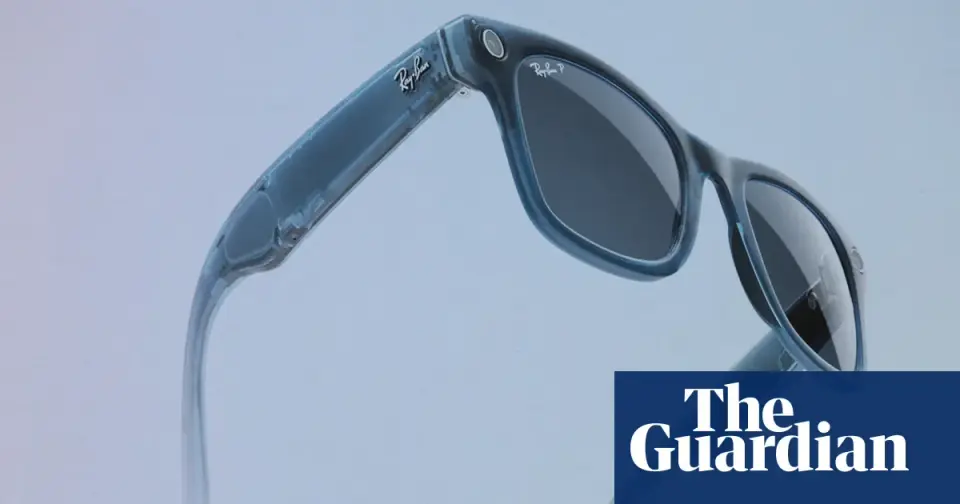
US police agencies are issuing warnings that Meta smart glasses pose a security threat by allowing covert recording in detention facilities and public spaces. While Meta has disabled cameras on tampered devices to enforce its recording light, critics argue the technology facilitates non-consensual surveillance and harassment, leading to legal disputes and broader calls for usage restrictions.
Key points
- NYPD and other US agencies issued memos warning that Meta glasses can be used to secretly record detention centers and plan attacks, citing a 2025 New Orleans truck attack where the suspect allegedly used the devices for reconnaissance.
- Meta disabled cameras on thousands of glasses after users tampered with the mandatory recording LED light, a move affecting less than 0.1% of the 7 million units sold in 2025.
- A Delhi man filed a legal notice against Meta and an Instagram creator for non-consensual filming, seeking damages and arguing that the glasses' discreet design violates bystander privacy.
- Federal agencies like ICE have banned the glasses in federal workspaces, classifying them as body-worn cameras that could inadvertently capture sensitive information.
- Meta defends its technology as privacy-forward due to the unremovable LED light, while critics label them 'pervert glasses' due to their use in harassment and stalking.
Background
This issue follows earlier incidents in 2026 where Meta smart glasses were used for covert filming in Scotland, leading to police scrutiny and account bans. Meta subsequently launched a public awareness campaign and donated 130,000 glasses to veterans to highlight assistive benefits, while also rolling out firmware updates to disable cameras when the recording light is tampered with.
How outlets are covering it
The Guardian and The Times of India emphasize the privacy violations and legal liabilities, highlighting how the glasses' discreet design allows for non-consensual recording and harassment. Business Insider focuses on Meta's technical response, noting the company bricked thousands of devices to enforce its recording light policy. The Financial Times offers a more skeptical view, questioning whether public backlash and bans in venues like courts and pubs will effectively curb adoption, given the high market demand and potential utility of the technology. While Meta insists the LED light makes the glasses 'privacy-forward,' law enforcement and privacy advocates argue that the device's ability to blend in with ordinary eyewear creates a significant security and social risk.
Why it matters
The conflict over Meta smart glasses highlights a broader tension between technological innovation and privacy rights. As AI-enhanced wearables become more common, the ability to record without obvious visual cues challenges existing norms of consent and public safety. The legal and regulatory responses to these devices will likely set precedents for how future wearable technologies are regulated and accepted in public spaces.
What to watch
Meta will continue to enforce its anti-tampering updates and public awareness campaigns, while law enforcement agencies may expand restrictions on smart glasses in secure facilities. Legal cases, such as the Delhi lawsuit, could establish liability for tech companies regarding the design of surveillance-capable devices. Public campaigns to ban the glasses in specific venues may gain momentum, potentially influencing broader regulatory frameworks for wearable technology.
- US police fear Meta smart glasses could be used to secretly record them The Guardian
- Meta bricked the cameras on thousands of its AI glasses Business Insider
- Will the ‘glassholes’ finally win? Financial Times
- He thought it was a café encounter; later found himself mocked on an Instagram Reel: Delhi man says he was filmed without consent using Meta glasses, now seeks Rs 2.05 crore from tech giant The Times of India
- Vintage photos show how the role of women in the workforce has evolved in the last 100 years LinkedIn
Want the full story? Read the original reporting
Read on The Guardian