
Ring Drone Cam launches in January with AI-only controls after demo crash
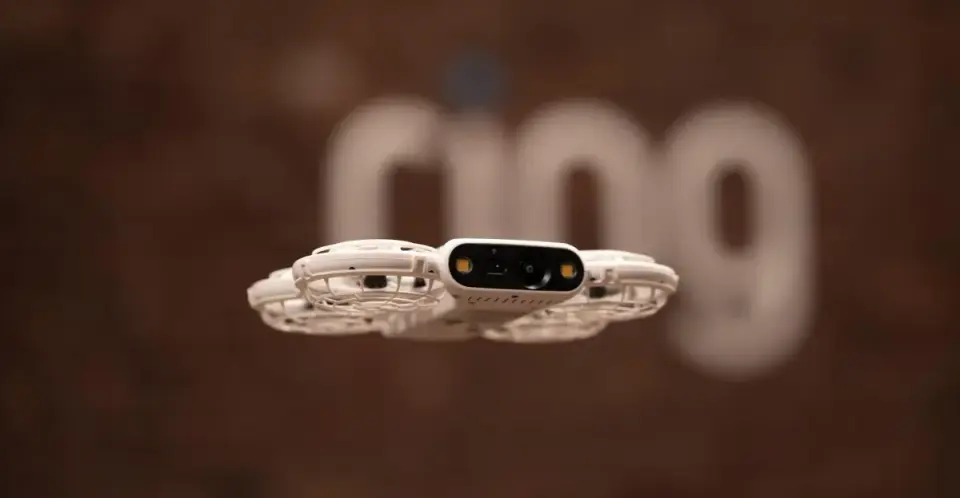
Amazon’s Ring unit is launching the $250 Ring Drone Cam on January 27, 2027, featuring an autonomous AI Pilot system with no manual control options. The decision follows a public demonstration where an early prototype crashed twice during manual operation. Simultaneously, Ring is releasing the $1,000 Ring Rover Cam, a repurposed Astro robot for business security, on December 16, 2026. Both devices rely on cloud processing and pre-programmed routes, raising privacy concerns despite new encryption measures.
Key points
- Ring Drone Cam costs $250 and ships January 27, 2027, pending FCC approval.
- Ring Rover Cam costs $1,000 and ships December 16, 2026, for business use.
- The Drone Cam uses an AI Pilot for autonomous flight with no manual controls.
- A CBS News demo showed an early prototype crashing twice during manual testing.
- Both devices use Throw Away the Key Encryption for video storage.
Background
Ring first previewed a flying security camera in 2020, initially called the Always Home Cam. The company delayed the launch for over six years due to engineering challenges, including weight and battery issues. Ring previously faced privacy scrutiny over police data sharing and a 2023 FTC investigation regarding employee access to customer footage. The new devices build on Amazon’s earlier Astro robot, which failed in the consumer market but is now repurposed for business security.
How outlets are covering it
The Verge highlights that Ring removed manual controls after a CBS News demo where an early prototype crashed twice, citing connectivity issues and collision avoidance failures. CNBC emphasizes the commercial strategy, noting the Drone Cam serves as a deterrent and the Rover Cam targets businesses, while acknowledging Ring’s history of privacy concerns. The Los Angeles Times focuses on the technical evolution, noting Ring abandoned two previous prototypes before adopting AI-heavy cloud processing to solve weight and stability issues. Ars Technica stresses privacy risks, noting that while Ring uses new encryption, the Electronic Frontier Foundation criticizes the company’s surveillance-first approach and lack of end-to-end encryption. All sources agree the devices rely on AI Pilot systems for navigation and obstacle avoidance, but differ on whether the lack of manual control is a safety feature or a limitation.
Why it matters
The launch of autonomous indoor drones and robots intensifies debates over home surveillance and privacy. While Ring claims privacy is the default, critics note the devices expand corporate access to interior spaces. The removal of manual controls suggests Ring prioritizes safety and reliability over user autonomy, potentially setting a precedent for AI-driven home security devices. The products also signal Amazon’s continued push into the smart home market, competing with Apple and Google, despite ongoing scrutiny of Ring’s data practices and law enforcement integrations.
What to watch
Ring expects the Drone Cam to ship on January 27, 2027, pending Federal Communications Commission approval. The Rover Cam is scheduled to ship on December 16, 2026. Users will need to set up flight paths and patrol zones during installation. Ring has not announced plans for facial recognition on these new devices, though it has introduced a Familiar Faces feature for fixed doorbell cameras. Future robotics hardware will require clear customer pain points, according to Ring founder Jamie Siminoff.
- Ring confirms its camera drone won’t have manual controls after crashing on CBS News The Verge
- Amazon's Ring unveils flying drone and robot to patrol homes and businesses CNBC
- Ring launches flying security camera after years of delays Los Angeles Times
- Ring cameras go mobile as Amazon debuts AI-powered security drone and robot Ars Technica
- Ring Drone Cam Becomes a Reality for Homeowners Eager To Level Up With Smart Home Security Realtor.com
Want the full story? Read the original reporting
Read on The Verge