
The Pros and Cons of Generative AI in Today's World.
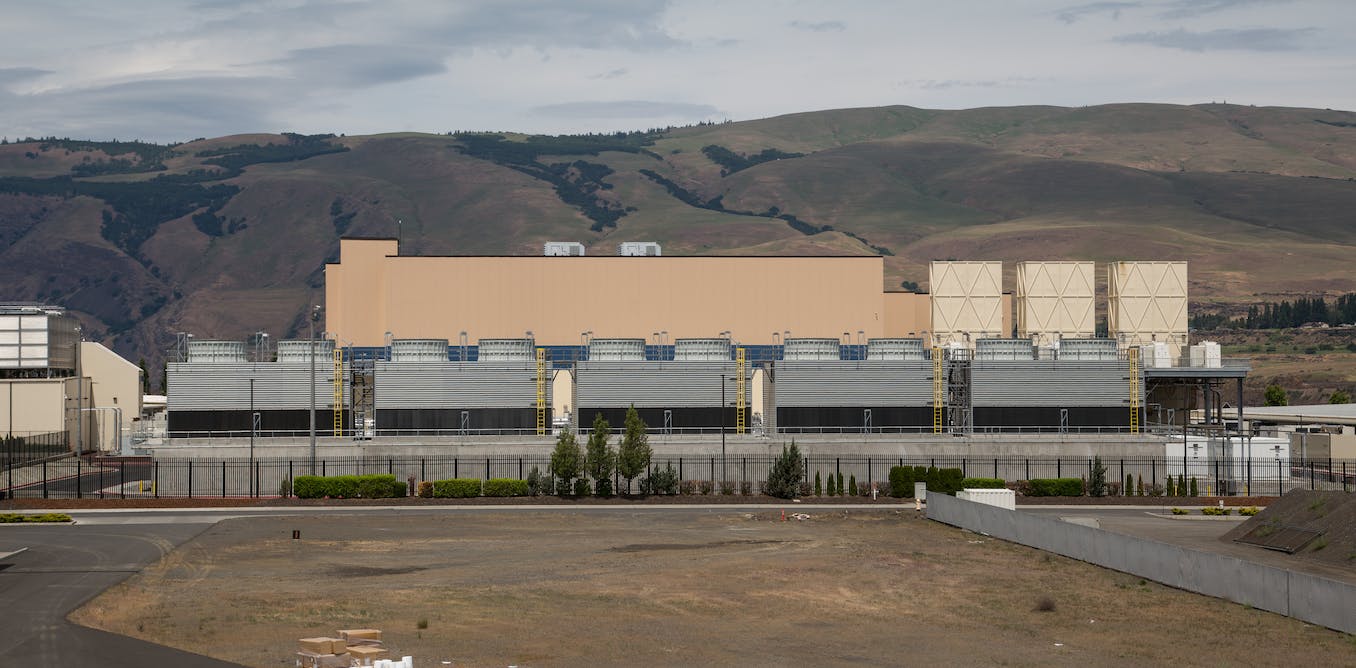
TL;DR Summary
Generative AI models, such as chatbots and image generators, have a significant carbon footprint due to their high energy consumption. The larger the model, the more energy it takes to create and deploy. However, using more efficient model architecture and processors, as well as scheduling computation for times of day when renewable energy is more available, can significantly reduce emissions. Additionally, societal pressure may encourage companies and research labs to publish the carbon footprints of their AI models, and consumers could use this information to choose a "greener" chatbot.
Topics:business#carbon-footprint#chatbots#energy-consumption#generative-ai#search-engines#technology
- Is generative AI bad for the environment? A computer scientist explains the carbon footprint of ChatGPT and its cousins The Conversation
- How Generative AI Works (Part I) Above the Law
- Kreps: Generative AI holds promise, peril for democracies | Cornell Chronicle Cornell Chronicle
- How Can Companies Use Generative AI? Here's an Early Adopter. The Wall Street Journal
- Using Generative AI to Unlock Probabilistic Products Andreessen Horowitz
Reading Insights
Total Reads
0
Unique Readers
12
Time Saved
4 min
vs 5 min read
Condensed
90%
931 → 89 words
Want the full story? Read the original article
Read on The Conversation