
US officials deny coordinated attack as experts warn of systemic infrastructure fragility
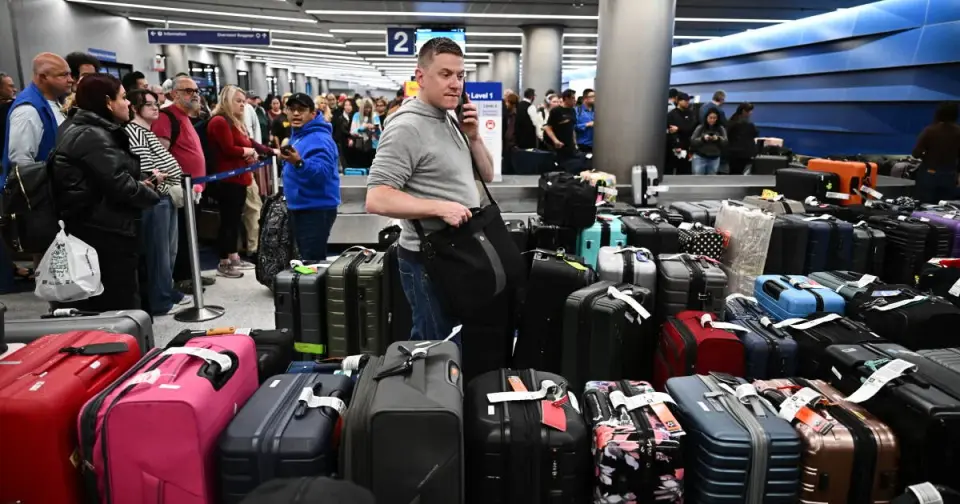
A series of major US technology outages affecting Microsoft, the FAA, JPMorgan Chase, Apple, and the NSA has triggered public alarm. While government officials attribute the disruptions to technical errors and rushed security updates, cybersecurity experts argue the incidents reveal deep vulnerabilities in critical infrastructure. The government insists there is no evidence of a coordinated cyberattack, but critics warn that the fragility of these systems makes them highly susceptible to future malicious exploitation.
Key points
- Outages disrupted Microsoft Outlook, US air traffic, major banks, Apple services, and the NSA’s classified NSANet network within a single week.
- Director of National Intelligence Jay Clayton and other officials stated the incidents are unrelated technical failures, not a coordinated or state-sponsored attack.
- Experts like Marcus Rogers and Herbert Lin argue that the frequency of failures suggests systemic issues, such as reliance on legacy systems and rushed AI-driven patches.
- The FAA cited a router update and data overload for the ground stop, while JPMorgan Chase blamed an internal software bug and Microsoft cited a latent defect.
- Critics note that companies provided inconsistent initial explanations, fueling public distrust and conspiracy theories about AI or foreign interference.
Background
This week’s disruptions follow a pattern of growing concerns over AI-driven cybersecurity threats. In October 2026, critical PHP vulnerabilities discovered by AI agents forced global website shutdowns, affecting 70% of the internet. Additionally, the FBI issued a FLASH advisory in November warning that hackers are using autonomous AI platforms like ARTEX to automate intrusions. Previous archive coverage noted that officials like Secretary of State Marco Rubio had already dismissed cyberattack fears, but public anxiety persisted due to a lack of transparency.
How outlets are covering it
The Los Angeles Times and The Atlantic highlight the public’s skepticism and the experts’ warnings that the outages expose critical infrastructure vulnerabilities, regardless of intent. CNN emphasizes the 'fragility' of the internet, noting that rushed security updates to counter AI-discovered flaws may have caused the outages. The Washington Post focuses on the official government stance, reporting that intelligence officials testified that the incidents are unrelated and not malicious. While the government attributes the issues to technical errors, experts from Purdue, Stanford, and MIT argue that the interconnected nature of modern systems means that even non-malicious failures indicate a dangerous lack of resilience.
Why it matters
The outages highlight the potential consequences of relying on interconnected, legacy digital systems in an era of rapid AI-driven changes. If critical infrastructure fails due to minor technical errors, it suggests that targeted attacks could be even more devastating. The incident underscores the need for more robust, resilient systems and greater transparency from both government and private sector entities to maintain public trust and security.
What to watch
Congress is demanding briefings on the exact nature of the problems, with Republicans calling for an 'all of government response.' Experts are calling for a massive, coordinated effort to harden digital critical infrastructure, moving beyond incremental fixes. Companies and government agencies are expected to continue investigating root causes, though transparency remains a challenge. The public is advised to prepare for potential future disruptions by maintaining emergency supplies and cash.
- ‘It’s not fine’: Massive tech failures fuel alarm about critical U.S. infrastructure, AI Los Angeles Times
- What’s causing all these outages? The internet is held together with shoestring and bubblegum CNN
- Intelligence officials say service disruptions are unrelated, not malicious The Washington Post
- What on Earth Is Going On? The Atlantic
- Cybersecurity expert sounds alarm over US infrastructure vulnerabilities amid widespread outages Fox Business
Want the full story? Read the original reporting
Read on Los Angeles Times