
Waymo Launches Public Driverless Rides in Denver, San Diego, and Tampa
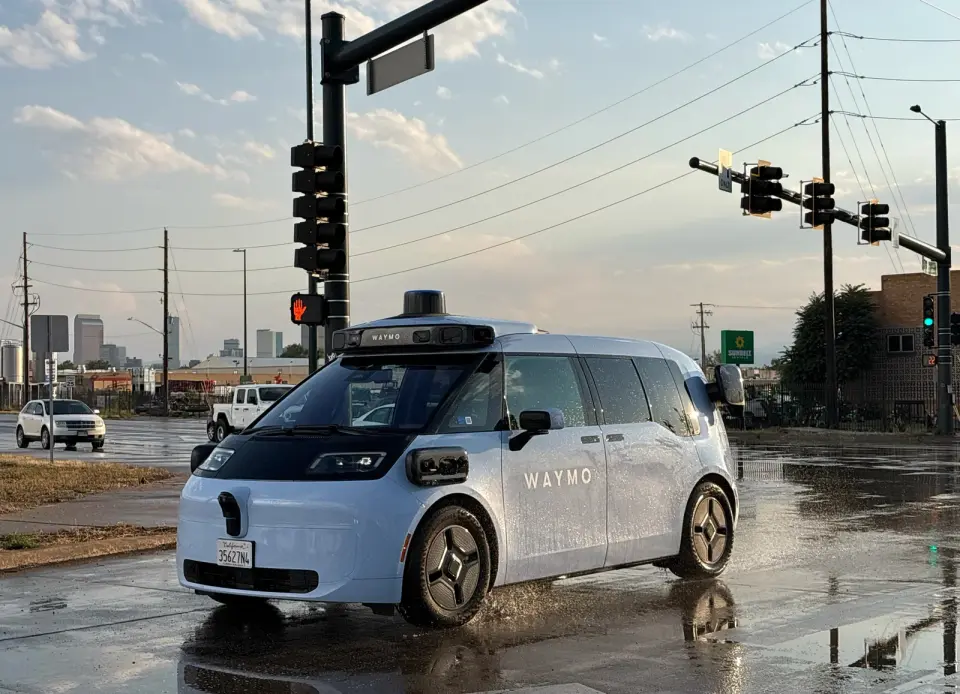
Waymo has officially opened its self-driving robotaxi service to the public in Denver, Colorado; San Diego, California; and Tampa, Florida. The launch marks the company's first commercial operations in Colorado and expands its U.S. footprint to 14 cities. In Denver, the service covers a 60-square-mile zone centered on the city, excluding Denver International Airport. In San Diego, coverage spans 50 square miles from Logan Heights to Pacific Beach. Riders hail vehicles via the Waymo app, with pricing comparable to Uber and Lyft. The rollout includes the new 'Ojai' vehicle, featuring larger screens and enhanced sensors for winter conditions. Waymo aims to reach 1 million weekly rides by year's end, while competitors like Amazon's Zoox begin supervised testing in Houston and San Diego.
Key points
- Waymo began public driverless rides in Denver, San Diego, and Tampa on September 1, 2026.
- Denver's service area is 60 square miles, excluding Denver International Airport and neighboring cities like Aurora.
- San Diego's initial coverage is 50 square miles, with a larger rollout planned for later in September.
- The new 'Ojai' vehicle features a Zeekr minivan chassis, three large screens, and Gemini AI integration.
- Waymo currently operates over 4,000 vehicles across 14 U.S. cities and provides over 500,000 rides weekly.
- A recent poll showed only about one-third of Denver voters who hadn't ridden a Waymo would try it, with 60% unlikely to ride.
Background
Waymo has been expanding its U.S. presence, recently winning approval to operate across 18 California counties. In June, robotaxis accounted for roughly 15-16% of ride bookings in major cities like San Francisco and Phoenix. The broader robotaxi market is growing, with Goldman Sachs forecasting U.S. revenue to reach $19 billion by 2030. Competitor Zoox recently received federal clearance to charge for rides in its wheel-free vehicles and is testing in new markets.
How outlets are covering it
The Denver Post highlights local skepticism, noting a poll where 60% of Denver respondents were unlikely to ride, and a recent crash involving a Waymo vehicle. Waymo's spokesperson called such skepticism 'natural and temporary.' NBC 7 San Diego emphasizes accessibility, quoting a blind rider who called the service a 'game changer' due to features like Braille door handles. CNBC focuses on the competitive landscape, noting Waymo's market lead and the entry of Amazon's Zoox into Houston and San Diego with human supervisors, as well as Tesla's upcoming announcements. While all sources confirm the launch, they differ in emphasis: local concerns and safety in Denver, accessibility in San Diego, and market competition nationally.
Why it matters
The expansion signals a significant shift in urban mobility, potentially reducing reliance on human drivers in major cities. It tests public acceptance and safety in diverse environments, from snowy Denver to coastal San Diego. The move also intensifies competition among tech giants, with Waymo, Amazon, and Tesla vying for dominance in a market projected to reach $48 billion by 2035. Labor and safety advocates are watching closely for job displacement and incident data.
What to watch
Waymo plans to expand its fleet to 'hundreds' of vehicles in the new cities over time. San Diego will see a larger-scale rollout later in September. Tesla is expected to share details on its Cybercab and Robotaxi service this week. Zoox will begin supervised testing in Houston and San Diego this month. Waymo aims to cross 1 million weekly rides by the end of 2026.
- Waymo’s Denver fleet is set to start providing driverless rides to the public today The Denver Post
- Waymo officially launches to the public in San Diego NBC 7 San Diego
- Tampa residents can now schedule a ride with Waymo WFLA
- Waymo and Zoox expand into more U.S. markets as robotaxi race heats up CNBC
- Welcoming our first riders in Denver, San Diego, and Tampa waymo.com
Want the full story? Read the original reporting
Read on The Denver Post