
Waymo suspends all U.S. freeway operations after California DMV cites 'imminent hazard'
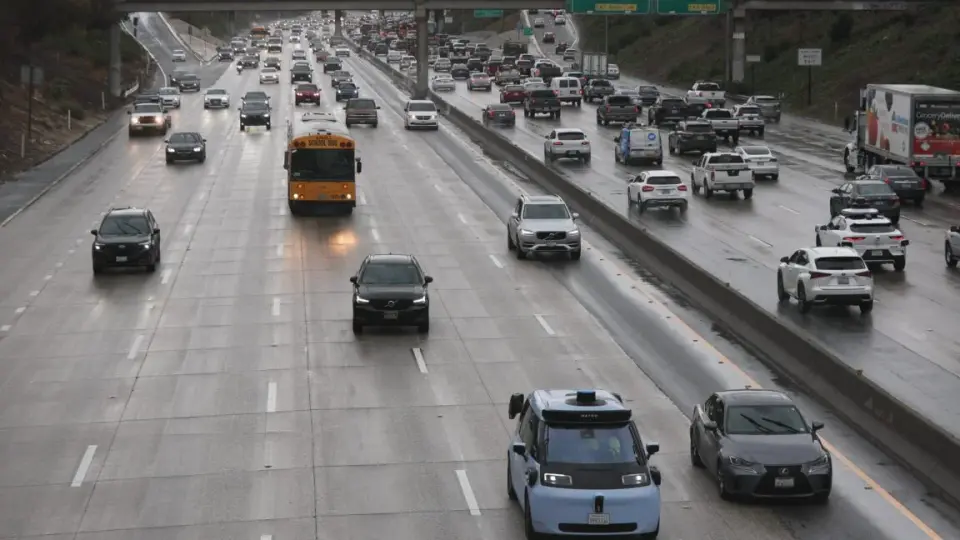
Waymo has voluntarily suspended all driverless taxi services on U.S. freeways following a California Department of Motor Vehicles (DMV) order. The DMV cited 'imminent hazard to public safety' after multiple incidents involving Waymo vehicles entering active construction zones and bypassing police traffic breaks. While surface street operations continue, the company has paused highway rides in California, Arizona, and other markets until it demonstrates effective corrective actions.
Key points
- California DMV ordered Waymo to stop freeway operations on November 11, 2026, citing recurring incursions into active construction zones.
- Specific incidents included three vehicles entering a construction zone on U.S. Highway 101 near Burlingame and one vehicle attempting to pass California Highway Patrol cars on Interstate 280.
- Waymo voluntarily suspended freeway operations across all U.S. markets, including Phoenix and the Bay Area, to evaluate performance and implement safety updates.
- The company maintains that its surface street ride-hailing service remains unaffected, handling over half a million trips weekly.
- This is not the first such incident; Waymo previously recalled nearly 3,800 vehicles in May after similar construction zone errors in California and Arizona.
Background
Waymo has faced repeated regulatory scrutiny regarding its autonomous driving capabilities on highways. In April 2026, vehicles in Phoenix failed to recognize ramp closure signs, leading to a broader recall in May after seven cars entered active construction lanes in California. Although the company resumed highway operations in July after software updates, the current suspension highlights ongoing challenges in distinguishing between routine traffic and emergency or construction scenarios.
How outlets are covering it
The California DMV emphasized that the ban was necessary due to 'recurring incursions' that posed an 'imminent hazard to public safety,' noting that previous corrective actions had failed to prevent the latest incidents. Waymo, in contrast, stressed that no injuries or collisions occurred in the recent events and framed the suspension as a proactive 'safety-first' measure to align with regulatory expectations. Yahoo Finance highlighted the broader industry implication, noting that local regulation, rather than corporate ambition, currently dictates the pace of robotaxi expansion. Cornell Tech researcher Anthony Townsend described the technology as 'far from perfect,' suggesting that such regulatory interventions are necessary to prevent the perpetuation of auto dependency.
Why it matters
This suspension marks a significant setback for Waymo's expansion strategy, as freeway rides are crucial for scaling its ride-hailing business across major U.S. cities. It underscores the tension between rapid technological deployment and the rigorous safety standards required by state regulators. The incident also serves as a cautionary example for other autonomous vehicle companies, such as Tesla, which are expanding their services, demonstrating that regulatory approval remains the primary barrier to widespread adoption.
What to watch
Waymo must provide the California DMV with evidence of 'effective corrective actions' before it can resume freeway operations. The company is currently working with state officials to update its software and operational protocols to better identify and mitigate entry into construction zones. Until the DMV verifies these improvements, Waymo's driverless vehicles will remain restricted to surface streets across all U.S. markets.
- Waymo suspends freeway driving after California construction zone complaint Ars Technica
- Waymo Pulls Its Driverless Taxis From All U.S. Freeways Temporarily The New York Times
- Waymo pulls robotaxis off highways after California ban, with tech seen as 'far from perfect' Yahoo Finance
- ‘Hazard to Public Safety’: California DMV Restricts Waymo Freeway Operations KQED
- Waymo driverless cars barred from California freeways following series of troubling incidents ABC News - Breaking News, Latest News and Videos
Want the full story? Read the original reporting
Read on Ars Technica