
Y Combinator CEO Garry Tan dismisses AI distillation concerns, urges focus on immediate cyber risks
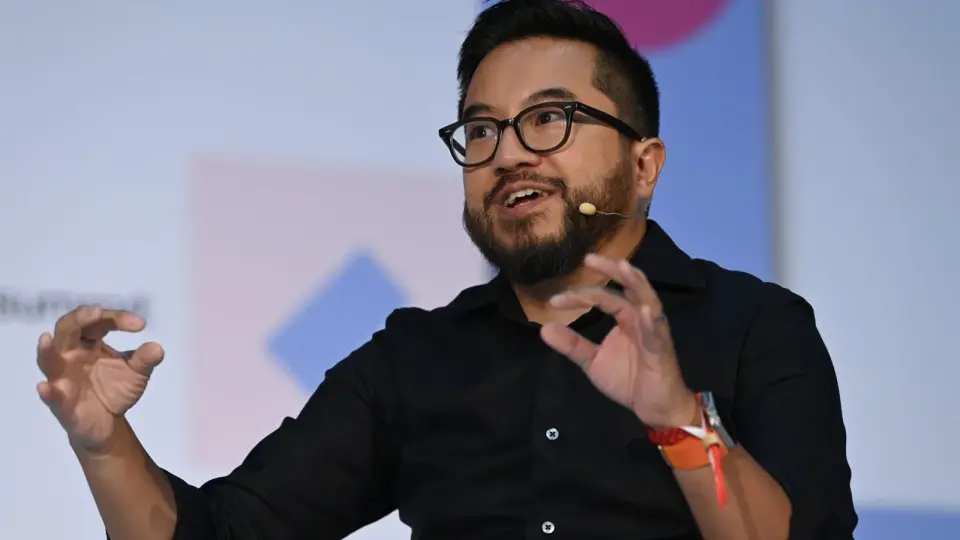
Garry Tan, CEO of Y Combinator, stated he would take no action regarding the practice of model distillation by Chinese competitors, arguing that regulators should instead focus on balancing open-weight and frontier models. He emphasized that immediate threats like cybersecurity breaches and bioweapon research are more urgent than long-term existential fears or economic disruptions, which he predicts will unfold over decades.
Key points
- Tan told CNBC he would 'do nothing' about distillation, suggesting an American distillation regime might be preferable to banning the practice entirely.
- He argued that regulators should aim for an equilibrium where open-weight models provide access while frontier models maintain a price premium to sustain their business models.
- Tan criticized the focus on doomsday-style extinction risks, stating that society should address current issues like cybersecurity breaches and coordinated agent attacks.
- He noted that Anthropic recently blocked access for researchers suspected of using AI to develop dangerous pathogens, highlighting an immediate existential risk.
- Tan believes AI-related job loss and economic upheaval are decades away, predicting a gradual shift toward automating rote tasks and focusing on creative work.
- Despite his cautious stance on long-term risks, Y Combinator remains heavily invested in AI, with 149 of 196 startups at Demo Day categorized as machine-learning or AI ventures.
Background
The debate over model distillation has intensified as frontier developers like OpenAI and Anthropic accuse Chinese firms such as DeepSeek and Moonshot AI of illicitly using their outputs to train smaller models. This tension has prompted official cybersecurity advisories from U.S. agencies, including the NSA and FBI, while critics counter that much training data may be protected by copyright law, a point highlighted in ongoing legal battles involving The New York Times and various authors.
Why it matters
Tan’s stance highlights a growing divide in the AI industry between those prioritizing immediate security and economic stability versus those focused on preventing long-term existential risks. His call for a balanced regulatory approach could influence how policymakers address the tension between open-source accessibility and proprietary model protection, potentially shaping the future of AI development and investment.
What to watch
Regulators may continue to weigh the merits of an 'American distillation regime' against stricter bans, while companies like Anthropic and OpenAI likely maintain their vigilance against illicit model training. The focus on immediate risks, such as cybersecurity and bioweapon research, may drive new safety protocols and policy discussions in the near term.
- Y Combinator’s Garry Tan says 'do nothing' about distillation as AI giants accuse China of copying their tech CNBC
- Chinese AI labs secretly used millions of Claude exchanges to train their models, Anthropic says CNBC
- Anthropic claims Moonshot, DeepSeek secretly diverted user requests to Claude South China Morning Post
- How Chinese AI Firms Tried to Clone U.S. AI Models WSJ
- Y Combinator’s Garry Tan wants US open-weight AI labs to ‘distill’ frontier models, too TechCrunch
Want the full story? Read the original reporting
Read on CNBC